






More Women's Health & Beauty Articles
Could a Yeast Infection Disrupt Your Menstrual Cycle?
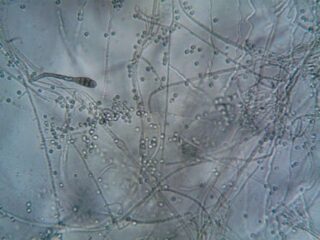
When experiencing an unexpected change in the menstrual cycle, some may wonder: can a yeast infection interfere with your period? Yeast infections are fairly common and occur due to an overgrowth of Candida yeast in the vagina, leading to discomfort, itching, and other symptoms. While they primarily affect the vaginal area, it’s natural to question whether they can also impact menstrual cycles.
Can a Yeast Infection Interfere with Your Period?
Yeast infections themselves do not directly affect menstrual cycles. These infections often coincide with hormonal changes—like those during the menstrual cycle—which can create a more hospitable environment for yeast overgrowth. The link between yeast infections and periods is more about timing than direct interference.
During your menstrual cycle, hormonal fluctuations can lead to changes in vaginal pH, sometimes resulting in yeast infections. Your period can also temporarily elevate natural vaginal discharge, potentially easing some symptoms of a yeast infection. However, it is not the yeast infection itself that directly alters the pattern or timing of a period.
Understanding Menstrual Changes and Yeast Infections
Several factors can lead to changes in menstrual cycles, and while yeast infections are typically not one of them, the symptoms of a yeast infection may cause confusion or discomfort. Recognizing the signs of a yeast infection alongside normal changes in your menstrual cycle is essential.
Common symptoms of a yeast infection include itching, redness, swelling, and a thick, white discharge resembling cottage cheese. These symptoms may overlap with or seem more noticeable due to menstrual cycle changes. If symptoms persist or are particularly bothersome, it is advisable to consult a healthcare provider for appropriate diagnosis and treatment.
Other Factors Influencing Periods
Many elements can influence menstrual cycles, such as stress, diet, exercise, and underlying health conditions like polycystic ovary syndrome (PCOS). For example, PCOS can cause irregular periods and is sometimes managed with medications like metformin. You can learn more about managing these conditions by exploring how metformin is used in PCOS.
Infections, apart from yeast infections, can potentially impact menstrual cycles. For instance, pelvic inflammatory disease (PID), a more serious condition, can cause menstrual irregularities. If faced with unexplained changes in your cycle, a comprehensive medical evaluation can provide insights beyond yeast infections.
Managing Yeast Infections
The treatment of yeast infections typically involves antifungal medications, which can be found over-the-counter or prescribed by a healthcare provider. Maintaining good hygiene, wearing breathable cotton underwear, and avoiding unnecessary antibiotic use are proactive steps to reduce the chance of developing yeast infections.
If infections become recurrent or particularly severe, discussing further prevention and management strategies with a healthcare provider is beneficial. They may explore other underlying causes, including hormonal imbalances or health conditions, that are not directly caused by but coinciding with yeast infections.
Consulting a Healthcare Provider
When concerned about the interplay between yeast infections and menstrual cycles, consulting a healthcare provider provides clarity. They offer personalized guidance, considering everything from contraceptive use to lifestyle factors that might influence yeast infections and menstrual health. For general health information, you can visit this helpful resource on health.
In summary, while a yeast infection might make menstrual cycles uncomfortable, it does not typically interfere directly with the timing or regularity of periods. Still, being informed about all aspects of reproductive health is crucial. Can a yeast infection interfere with your period? Not directly, but awareness and management are key to overall comfort and health.
- Yeast infections do not directly affect the menstrual cycle.
- Hormonal changes during periods can create a conducive environment for yeast infections.
- Stress, diet, and underlying conditions can alter menstrual cycles.
- Consult a healthcare provider for persistent symptoms or irregular cycles.
- Prevent yeast infections with proper hygiene and lifestyle practices.
FAQs
Are yeast infections common during periods?
Yes, hormonal changes during your period can create an environment conducive to yeast infections, but they don’t directly cause them. Being mindful of symptoms and addressing them promptly can help mitigate discomfort.
Can a yeast infection delay my period?
Yeast infections do not directly delay periods. If your period is delayed, other factors such as stress, hormonal changes, or health conditions might be the cause.
When should I see a doctor about yeast infections?
Consult a healthcare provider if you experience recurrent yeast infections, severe symptoms, or if it’s your first time having an infection to ensure proper diagnosis and treatment.
Can treatments for yeast infections affect my cycle?
Typical treatments for yeast infections like antifungal medications do not usually affect menstrual cycles. Always use treatments as directed, and consult a healthcare provider if you have concerns.
What lifestyle changes can help prevent yeast infections?
Wearing breathable fabrics, maintaining proper hygiene, reducing sugar intake, and managing stress can help prevent yeast infections. Lifestyle plays a crucial role in maintaining overall vaginal health.
Other Articles You May Find of Interest...
- Could a Yeast Infection Disrupt Your Menstrual Cycle?
- How Does Anterior Placenta Affect Your Baby Bump Shape?
- Back Pain During Your Period: Causes and Relief Strategies
- Maximize Your Health: Discover the Lifespan of Mirena IUD
- What Does Bright Red Period Blood Mean for Your Health?
- Is It Safe for Pregnant Women to Eat Pineapple?
- Understanding Painful Urination in Women: Causes and Remedies




