






Your Health Magazine
4201 Northview Drive
Suite #102
Bowie, MD 20716
301-805-6805
More Weight Control, Nutrition & Exercise Articles
Weight Loss Surgery: Bariatric Surgery’s Role in Diabetes Improvement
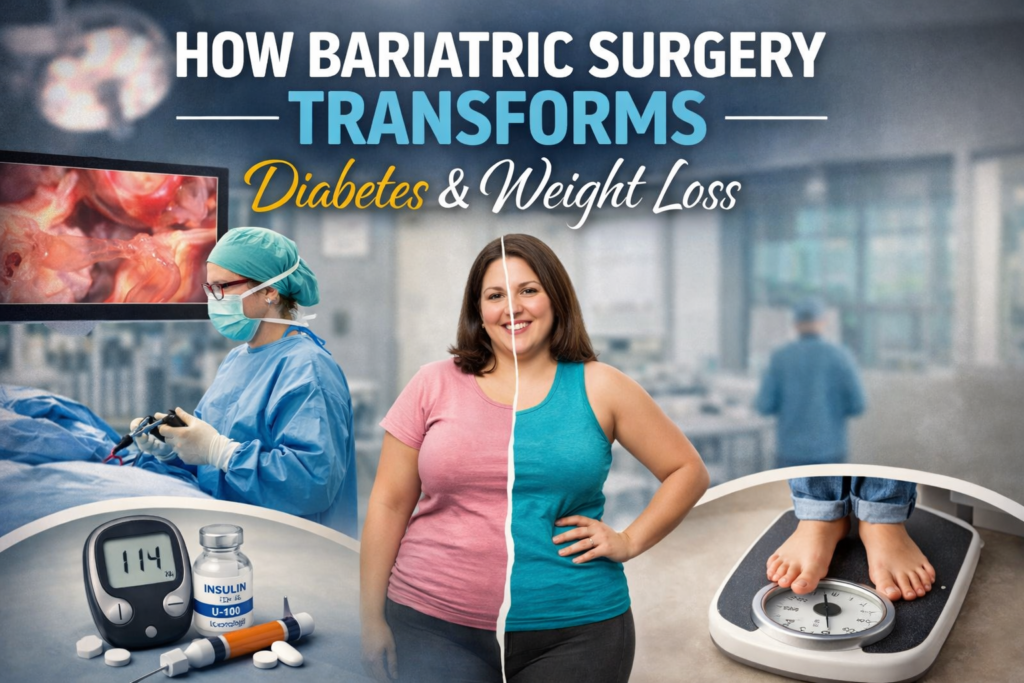
Living with Type 2 diabetes means making changes every single day. You watch what you eat. You track your health. You deal with worries that never really take a break. For many people, weight loss surgery becomes a practical option to regain control and move toward better health.
Today, millions of people around the world are affected by obesity and diabetes. Many try diets, workouts, and lifestyle changes, yet still struggle to see lasting results. Over time, these improvements often lead to higher energy, better confidence, and a stronger sense of well-being.
In this article, we explore how bariatric surgery supports diabetes management, explain the medical science behind it, and highlight why expert guidance is essential for safe, healthy, and long-term weight management.
Understanding Obesity, Type 2 Diabetes, and Metabolic Health
Excess body weight has a strong impact on how the body uses insulin. When fat builds up, especially around the stomach area, it starts interfering with normal insulin function. As a result, cells struggle to absorb glucose properly. This leads to insulin resistance, which forces the pancreas to work harder by producing more insulin to keep blood sugar levels balanced. Over time, this extra pressure puts stress on the body’s metabolic system and increases the risk of developing Type 2 diabetes.
Obesity also affects hormone balance and triggers low-grade inflammation inside the body. Both of these factors make insulin less effective. Because of this, managing blood sugar through lifestyle changes alone becomes more difficult. As weight increases, more glucose stays in the bloodstream, causing frequent ups and downs in sugar levels and raising long-term health concerns.
What Is Bariatric Surgery?
Bariatric surgery is a specialized medical procedure created to help people who have struggled with long-term weight management for years. For many, it becomes a turning point toward better health and renewed confidence.
The main purpose of bariatric surgery is to support safe and sustainable weight reduction while improving overall physical well-being. Weight loss surgery works by changing how the digestive system handles food, helping limit portion sizes and improve nutrient absorption. Because of this, patients begin to feel full sooner and naturally develop healthier eating habits. By regulating appetite and calorie intake, the procedure supports better metabolic balance, higher energy levels, and smoother day-to-day functioning.
Bariatric surgery is most effective when combined with structured medical care, nutritional guidance, and continuous follow-up under the supervision of an experienced bariatric surgeon. At centers like NObesity, known for reliable bariatric surgery in Ahmedabad, patients receive personalized treatment plans and professional support to ensure long-term success.
How Bariatric Surgery Improves Diabetes Naturally
Bariatric surgery supports diabetes management by addressing one of its main root causes, excess weight and metabolic imbalance. Instead of only treating symptoms, this medical approach helps improve how the body processes food, uses insulin, and controls blood sugar levels. With steady and sustainable weight reduction, bariatric procedures create positive internal changes that support long-term metabolic health.
Some of the key ways bariatric surgery contributes to diabetes improvement include:
- Impact on Insulin Sensitivity: After weight loss surgery, reduced body fat allows the body to respond better to insulin. Cells begin absorbing glucose more efficiently, which helps balance blood sugar levels and lower insulin resistance.
- Hormonal and Metabolic Changes: Bariatric procedures influence hormones linked to hunger, digestion, and glucose control. These changes help manage appetite, improve metabolism, and support healthier blood sugar patterns.
- Early Improvement in Blood Sugar Control: Many patients notice positive changes in blood sugar levels soon after surgery, even before major weight loss occurs. This early improvement is connected to better insulin function and balanced digestive hormones.
Together, these natural internal changes make bariatric surgery a strong and reliable tool for supporting diabetes control and long-term health improvement.
Types of Weight Loss Surgery and Their Role in Diabetes Improvement
Weight loss surgery is not a one-size-fits-all solution. Different procedures are designed to match different health conditions, body types, and personal goals. Every individual brings a unique medical history, lifestyle pattern, and set of expectations to the table. That is why a detailed medical assessment plays such an important role in finding the most suitable approach. Along with balanced meals and regular movement, appropriate weight loss treatment can help the body use insulin more effectively and keep blood sugar levels stable.
Some commonly recommended weight loss surgeries include:
Gastric Bypass and Diabetes Control
Gastric bypass helps limit food intake and changes how nutrients are absorbed in the digestive system. These changes improve insulin sensitivity and support better blood sugar regulation. Many patients notice clear improvements in diabetes management after this procedure.
Sleeve Gastrectomy and Metabolic Benefits
Sleeve gastrectomy reduces the size of the stomach, helping patients feel full faster and manage portion sizes more easily. It also influences hormones related to appetite and glucose balance, supporting improved metabolic health.
Sleeve gastrectomy reduces the size of the stomach, helping patients feel full faster and manage portion sizes more easily. It also influences hormones related to appetite and glucose balance, supporting improved metabolic health.
Health Benefits of Bariatric Surgery Beyond Weight Loss
Bariatric surgery offers several health benefits that go far beyond physical weight reduction. It helps individuals feel better, function better, and enjoy daily life more fully.
Improved Heart Health
After surgery, weight reduction often leads to better blood pressure control, healthier cholesterol levels, and less strain on the heart. These changes support long-term cardiovascular wellness and reduce health risks.
Increased Energy Levels
After surgery, weight reduction often leads to better blood pressure control, healthier cholesterol levels, and less strain on the heart. These changes support long-term cardiovascular wellness and reduce health risks.
Enhanced Quality of Life
Better metabolic balance and improved blood sugar regulation help reduce tiredness and fatigue. As a result, many patients feel more energetic, active, and motivated throughout the day.
Reduced Medication Dependence
With improved metabolic health, some individuals may require fewer medications for conditions such as diabetes, blood pressure, and joint discomfort. This makes long-term care simpler and more manageable.
Who Is an Ideal Candidate for Weight Loss Surgery?
Weight loss surgery is most effective for individuals who meet specific medical and lifestyle criteria. From a medical point of view, ideal candidates often include those with obesity-related health conditions such as type 2 diabetes, high blood pressure, or joint problems, and those who have tried diet and exercise but have not achieved lasting results.
A free BMI report and detailed health assessment can help determine whether weight loss surgery is a suitable option for you. It gives you a clearer picture of your health and helps you understand your next steps.
Lifestyle readiness is equally important. Candidates should be willing to adopt long-term changes in eating habits, physical activity, and follow-up care. Staying committed to these adjustments plays a major role in achieving sustainable results after surgery.
Life After Bariatric Surgery: Managing Weight and Diabetes Long-Term
Life after bariatric surgery is about building daily habits that support lasting weight management and stable blood sugar levels. It is not about quick fixes but about creating a healthier routine that fits into everyday life.
- One of the most important steps is maintaining balanced dietary habits. Patients are encouraged to follow portion-controlled meals, choose nutrient-rich foods, and stay properly hydrated. These simple practices help the body adjust to new digestive patterns and support long-term metabolic health.
- Regular physical activity also plays a vital role in long-term success. Simple activities such as walking, stretching, and light strength training help improve circulation, increase energy levels, and maintain muscle strength. With time, consistent movement supports continued weight control and better diabetes management.
- Follow-up care is another essential part of the recovery and maintenance process. Routine medical checkups, nutritional guidance, and health monitoring help identify concerns early and ensure steady progress. This ongoing professional support keeps patients motivated and confident.
By combining healthy eating, active living, and regular follow-up, individuals can successfully maintain their results and enjoy improved overall well-being.
The Importance of Expert Guidance in Bariatric and Diabetes Care
Professional guidance plays a major role in achieving safe and lasting results after bariatric surgery. Experienced surgeons and nutritionists work closely with patients to create personalized treatment and nutrition plans that fit their health needs and daily routines.
Structured support systems, including regular follow-ups and progress monitoring, help patients stay motivated and overcome challenges at the right time. Patient education also makes a real difference. When people understand their treatment, diet, and lifestyle responsibilities, they feel more confident and prepared to stay on track.
At centers like NObesity, expert guidance and continuous support ensure that patients receive reliable care and feel supported throughout their entire health journey.
Conclusion
Bariatric surgery has become a trusted medical option for individuals looking to achieve long-term improvement in both weight management and diabetes control. Improving insulin sensitivity, encouraging healthier daily habits, and restoring metabolic balance, it helps patients move toward more stable and sustainable health outcomes. When supported by proper nutrition, regular physical activity, and continuous medical supervision, bariatric procedures offer benefits that go far beyond weight reduction.
With expert guidance and personalized care from trusted providers, patients can move forward with confidence. They are better prepared to manage their health, improve their quality of life, and build a stronger foundation for long-term wellness.
Other Articles You May Find of Interest...
- Unlocking the Amazing Benefits of Fennel for Your Health and Wellbeing
- Is It Safe to Enjoy Medium Rare Steak During Pregnancy?
- Enhance Your Cooking with These Surprising Tricks Using Salt
- Unlocking the Secrets of the Winter Formula for Optimal Health
- Navigating Life with an Abdominal Pannus: Tips for Health and Well-being
- Assessing Nutritional Needs: A Guide to the Aspen Malnutrition Criteria
- Can You Achieve Weight Loss on a Maintenance Dose of Wegovy?



