






More Weight Control, Nutrition & Exercise Articles
Unlocking the Benefits of Nutri Fiber for a Healthier You
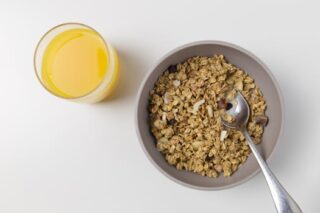
Understanding the role of nutri fiber in our diets is essential for anyone looking to optimize their health. Nutri fiber is a key component that supports various bodily functions, including digestion and heart health. By incorporating nutri fiber into your daily meals, you can work towards achieving better overall wellness.
What is Nutri Fiber?
Nutri fiber, often referred to simply as dietary fiber, is a type of carbohydrate that the body cannot digest. Unlike other carbs, nutri fiber passes through the digestive system relatively intact. Despite not being digestible, nutri fiber plays a critical role in maintaining health by supporting digestion, promoting satiety, and aiding in nutrient absorption.
Dietary fiber is usually categorized into two types: soluble and insoluble. Soluble fiber dissolves in water and can help lower glucose levels and cholesterol. Insoluble fiber does not dissolve in water and helps move food through your digestive system, promoting regularity.
Benefits of Nutri Fiber
The benefits of incorporating nutri fiber into your diet are numerous. These include improved digestive health, better blood sugar control, enhanced heart health, and potential support in weight management. Including enough nutri fiber daily can lead to a healthier lifestyle.
- Digestive Health: Nutri fiber adds bulk to stool which can prevent constipation and promote regular bowel movements.
- Heart Health: Soluble fiber has been shown to help lower cholesterol levels, reducing the risk of heart disease.
- Blood Sugar Control: Fiber can slow the absorption of sugar, improving blood sugar levels for individuals with diabetes.
- Weight Management: Eating fiber-rich foods can promote a feeling of fullness and reduce overall calorie intake.
For more information on safe weight management strategies, you can read our article on effective approaches to weight loss.
Sources of Nutri Fiber
Getting enough nutri fiber doesn’t have to be a chore. Many delicious foods are superb sources of fiber, such as fruits, vegetables, legumes, and whole grains. Incorporating a variety of these into your diet ensures you get both soluble and insoluble fiber.
- Fruits: Apples, pears, and berries are excellent sources of fiber.
- Vegetables: Vegetables like broccoli, carrots, and peas are rich in fiber.
- Legumes: Beans, lentils, and chickpeas offer a high fiber content.
- Whole Grains: Oats, quinoa, and brown rice are great sources of fiber.
By making these fiber-rich foods a part of your regular diet, you take an important step toward healthier living.
Increasing Nutri Fiber Safely
If you’re looking to increase your fiber intake, it’s important to do so gradually. A sudden increase in fiber may cause digestive discomfort such as bloating or gas. Start by adding a few high-fiber foods at a time and ensure you drink plenty of water to help the fiber move through your system.
It’s also wise to aim for the recommended daily intake of fiber. The Dietary Guidelines for Americans suggest that women under 50 should consume 25 grams per day, while men should aim for 38 grams. For those over 50, women should target 21 grams and men 30 grams daily.
Check credible sources like the Wikipedia page on dietary fiber for more detailed information on fiber recommendations.
Overcoming the Myths of Nutri Fiber
There are several misconceptions about nutri fiber that can lead to confusion. A common myth is that fiber supplements replace the need for fiber-rich foods. While supplements can help meet your daily intake, relying solely on them isn’t recommended as they lack the variety of nutrients found in whole foods.
Another myth is that fiber can cause nutrient malabsorption. While very high fiber can interfere with some nutrients’ absorption, this is unlikely with a balanced diet.
Understanding these myths can help you make informed decisions about how to include fiber in your diet effectively.
Conclusion
Adopting a diet rich in nutri fiber is an effective way to support a healthy lifestyle. By incorporating a variety of fiber-rich foods and understanding how to increase your intake safely, you can enjoy the numerous benefits that nutri fiber offers.
Whether you’re looking to improve digestion, support heart health, or manage your weight, nutri fiber plays a vital role. So, consider making nutri fiber a key component of your dietary routine to promote better well-being.
- Nutri fiber supports digestion, heart health, and blood sugar control.
- Include a variety of fiber-rich foods in your diet for maximum benefit.
- Gradually increase fiber intake to avoid digestive discomfort.
- Fiber supplements can help but shouldn’t replace whole foods.
- Consult credible sources for dietary recommendations.
FAQ
What is nutri fiber?
Nutri fiber refers to the dietary fiber component in foods, essential for digestive health and overall wellness.
Why is nutri fiber important?
Nutri fiber is important as it aids in digestion, helps manage blood sugar levels, supports heart health, and can assist in weight management.
What are some high-fiber foods?
High-fiber foods include fruits like apples and berries, vegetables such as broccoli and peas, legumes like beans and lentils, and whole grains such as oats and brown rice.
How much nutri fiber should I consume daily?
Recommended daily fiber intake varies by age and sex; generally, women should aim for 21-25 grams, while men should aim for 30-38 grams, depending on their age.
Can I take fiber supplements instead of eating fibers from foods?
While fiber supplements can help meet daily fiber needs, they should not replace whole foods, which provide a variety of essential nutrients beyond fiber.
Other Articles You May Find of Interest...
- Intrapulmonary Shunting: What Does It Mean for Your Lung Health?
- Exploring the Benefits and Drawbacks of Nightshade Vegetables
- Causes and Solutions for Loss of Appetite That Lasts for Days
- Coffee and Antioxidants: Why Your Morning Cup Is More Powerful Than You Think
- Choosing the Right Sports Bra for Your Body and Your Workout
- Why Traditional Gym Workouts Are Failing Most People (And What Actually Works)
- Struggling to Lose Weight? Start With These Proven Tips




