






More Weight Control, Nutrition & Exercise Articles
Unlock the Health Benefits of Watermelon Seeds for a Nutrient-Packed Diet
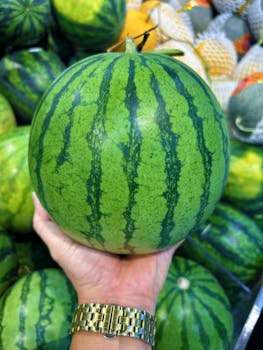
When it comes to snacking, many people discard watermelon seeds without a second thought. However, these seeds are packed with nutrients and health benefits that are worth exploring. Understanding the potential health benefits of the watermelon seed can add a nutritious element to your diet that you might have been missing out on.
Why Consider Watermelon Seeds?
The watermelon seed is more than just a part of the fruit to toss aside. These little seeds are rich in essential nutrients like magnesium, iron, and zinc, which play crucial roles in body functions. They also contain healthy fats and protein, making them a surprisingly nutritious addition to your daily intake.
Nutrient Breakdown of Watermelon Seeds
Watermelon seeds are a powerhouse of nutrients. For every ounce, they provide a substantial amount of protein. They also contain vitamin B, which is vital for converting food into energy. Magnesium found in watermelon seeds is essential for muscle function and nerve signaling, while iron supports immune health and oxygen transportation in the blood.
Potential Health Benefits
Incorporating watermelon seeds into your diet can offer several health benefits. The healthy fats in the seeds, including omega-3 and omega-6 fatty acids, may help in maintaining cardiovascular health. Meanwhile, the magnesium content may support improved metabolic function, while zinc plays a part in DNA synthesis and immune health.
How to Eat Watermelon Seeds
Instead of spitting them out, consider different ways to enjoy watermelon seeds for their health benefits. One popular method is to roast the seeds, which enhances their flavor and makes for a crunchy snack. You can also incorporate them into salads, smoothies, or use them as a garnish on soups for added texture and nutrition.
Exploring the Versatility of Watermelon Seeds
The watermelon seed is versatile in its uses. Aside from being a healthy snack, they can also be ground into seed butter, similar to peanut or almond butter. This offers a delicious alternative for those who are allergic to nuts. Moreover, watermelon seed oil is often extracted and used for hair and skin care due to its hydrating properties.
Economic and Environmental Impact
Choosing to eat watermelon seeds can also contribute positively to environmental sustainability. As they are usually discarded, consuming them reduces food waste. This minor choice can have a broader positive impact on our food systems and sustainability efforts.
Scientific Insight on Watermelon Seeds
Ongoing research explores how watermelon seeds can be utilized even further. Some studies suggest potential in areas such as improving digestion and circulation due to their nutrient content. Others investigate their role in holistic dietary habits, where reducing waste and maximizing nutrient intake are key.
Incorporating Watermelon Seeds into Your Diet
Watermelon seeds can be a simple yet effective addition to your dietary routine. They can be sprinkled over yogurt, mixed into granola, or even added to homemade bread recipes. Their mild, nutty flavor complements a variety of dishes, offering both taste and nutritional value.
The Future of Watermelon Seeds in Nutrition
Looking ahead, watermelon seeds present an exciting frontier for nutritional exploration. As awareness grows around lesser-known healthy foods, incorporating items like watermelon seeds into mainstream diets could promote better nutrition and less waste. This aligns with broader trends towards more eco-friendly and health-conscious lifestyles.
Ultimately, the humble watermelon seed may just be the superfood you’ve been overlooking. Packed with essential nutrients and possibilities, they offer various ways to enhance your diet holistically.
- Watermelon seeds are a nutritious source of protein, healthy fats, and essential minerals.
- They can be roasted and enjoyed as a snack or used in a variety of culinary applications.
- Incorporating watermelon seeds into your diet may support heart health and metabolic functions.
- Consuming watermelon seeds reduces food waste, contributing to environmental sustainability.
- For further information, visit Wikipedia’s Health page.
Are watermelon seeds safe to eat?
Yes, watermelon seeds are safe to eat. They are often consumed roasted or cooked, which enhances their taste and nutritional profile.
Can watermelon seeds help with weight loss?
While watermelon seeds are nutrient-dense, they are not a weight loss solution on their own. However, they can be part of a balanced diet that supports weight management.
Do watermelon seeds provide any vitamins?
Yes, watermelon seeds are rich in vitamins such as niacin and folate, which are important for metabolic health and DNA synthesis.
How do you roast watermelon seeds?
To roast watermelon seeds, rinse and dry them, then spread on a baking sheet. Bake at 350°F for 10-15 minutes until golden brown, adding a pinch of salt or spices if desired.
Can I use watermelon seed oil for skincare?
Yes, watermelon seed oil is often used in skincare for its hydrating and nourishing properties, making it suitable for a variety of skin types.
Other Articles You May Find of Interest...
- Pros and Cons of Weight Loss Surgery: Read This Before Surgery
- Protein With Purpose: Why the Quality of Your Beef Belongs in Your Wellness Plan
- How Garage Mirrors for Home Gym Motivates Workouts
- How Ozempic Helps Control Appetite and Body Weight
- Exploring the Impact of Low UIBC on Your Health
- Converting 99.9°F to Celsius: A Simple Guide to Temperature Conversion
- Unlock the Health Benefits of Watermelon Seeds for a Nutrient-Packed Diet




