






More Weight Control, Nutrition & Exercise Articles
The Hidden Health Benefits of Whole Wheat Flour Nutrition
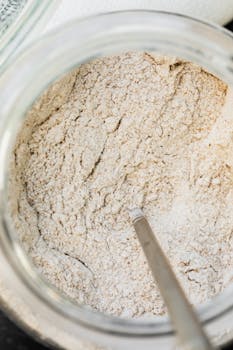
Whole wheat flour nutrition often comes up in discussions about healthy eating and balanced diets. As consumers look for more nutritious options to incorporate into their meals, whole wheat flour stands out as a wholesome choice. This flour retains more nutrients than its refined counterpart, offering health benefits that contribute to overall well-being.
The Nutritional Profile of Whole Wheat Flour
Whole wheat flour is rich in essential nutrients, making it a valuable addition to your diet. Unlike refined flour, whole wheat flour contains the bran, germ, and endosperm of the wheat kernel, which preserves its nutrient content. This retention results in flour that is high in fiber, vitamins, and minerals.
One of the standout features of whole wheat flour is its fiber content. Dietary fiber is crucial for maintaining digestive health and can assist with weight management by promoting a feeling of fullness. Additionally, the B vitamins found in whole wheat flour play a significant role in energy production and brain function.
Health Benefits of Whole Wheat Flour Nutrition
Including whole wheat flour in your diet comes with a host of potential health benefits. Here are some of the most noteworthy:
- Heart Health: The fiber in whole wheat flour may help in reducing the risk of heart disease by lowering cholesterol levels. Consuming a diet high in whole grains like whole wheat flour can promote cardiovascular health.
- Blood Sugar Control: Whole wheat flour has a lower glycemic index compared to refined flour, which means it can have a more gradual effect on blood sugar levels. This can be particularly beneficial for individuals managing diabetes.
- Digestive Health: The high fiber content in whole wheat flour aids in healthy digestion and can prevent constipation.
These benefits make whole wheat flour a compelling choice for anyone looking to enhance their dietary routine.
Practical Ways to Include Whole Wheat Flour in Your Diet
There are various ways to incorporate whole wheat flour into your meals to reap its health benefits. Here are some practical tips:
- Baking: Use whole wheat flour in your baking recipes, such as bread, muffins, and pancakes. It adds a nutty flavor and additional nutrients.
- Substitute in Recipes: You can substitute a portion of all-purpose flour with whole wheat flour in many recipes to boost their nutritional value.
- Thickening Agent: Use whole wheat flour as a thickener for soups and sauces.
Experimenting with whole wheat flour in various recipes not only enriches the nutritional content of meals but also adds a distinct taste and texture.
Planning a Balanced Diet with Whole Wheat Flour
Whole wheat flour can be a cornerstone in planning a balanced diet. By including this nutrient-rich flour in your meal plan, you can ensure that you are getting the necessary vitamins and minerals for optimal health. Whole wheat flour works well with other balanced diet components such as fruits, vegetables, and lean proteins. To learn more about structuring a balanced diet, visit this guide on creating a balanced diet for fitness enthusiasts.
Conclusion: Whole Wheat Flour Nutrition for a Healthier Lifestyle
Whole wheat flour nutrition provides an excellent opportunity to enhance your diet with essential nutrients while supporting your health in various ways. From maintaining digestive health to potentially reducing the risk of heart disease, the benefits of whole wheat flour are broad and significant. By incorporating this nutrient-rich flour into your daily meals, you can work towards a healthier lifestyle. For more detailed information on whole grains, visit the whole grains page on Wikipedia.
- Whole wheat flour retains bran, germ, and endosperm, making it nutrient-rich.
- It aids digestion and supports heart health due to its high fiber content.
- Whole wheat flour has a lower glycemic index, benefiting blood sugar control.
- Practical uses include baking, thickening, and partial substitution in recipes.
What is the difference between whole wheat flour and white flour?
Whole wheat flour contains all parts of the wheat kernel, including the bran and germ, which makes it higher in fiber and nutrients compared to white flour, which is refined and has these parts removed.
Can whole wheat flour aid in weight management?
Yes, the high fiber content in whole wheat flour can promote a feeling of fullness, which may help with weight management as part of a balanced diet.
Is whole wheat flour suitable for individuals with gluten intolerance?
No, whole wheat flour contains gluten; individuals with gluten intolerance or celiac disease should opt for gluten-free alternatives.
How does whole wheat flour support digestive health?
The dietary fiber in whole wheat flour promotes healthy digestion and can help prevent constipation, contributing to overall digestive well-being.
Can I use whole wheat flour as a thickening agent in recipes?
Yes, whole wheat flour can be used as a thickening agent in soups and sauces, adding both texture and nutritional value.
Other Articles You May Find of Interest...
- Building Crushing Grip Strength: Your Path to Powerful Hands
- Do You Gain Weight When You’re on Your Period? Understanding Menstrual Weight Fluctuations
- How a Weight Loss Clinic Helps You Break Plateaus Safely
- Delicious Gluten Free Treats for Every Occasion
- Exploring the Benefits and Challenges of the Carnivore Diet Plan
- Unlocking the Surprising Health Benefits of Peanuts for a Better You
- Discover the Surprising Health Benefits of Seaweed Salad’s Nutritional Content




