






Your Health Magazine Contributor
4201 Northview Drive
Suite 102
Bowie, MD 20716
More Weight Control, Nutrition & Exercise Articles
Plate-Loaded vs Pin-Loaded Strength Machines: What’s the Difference?
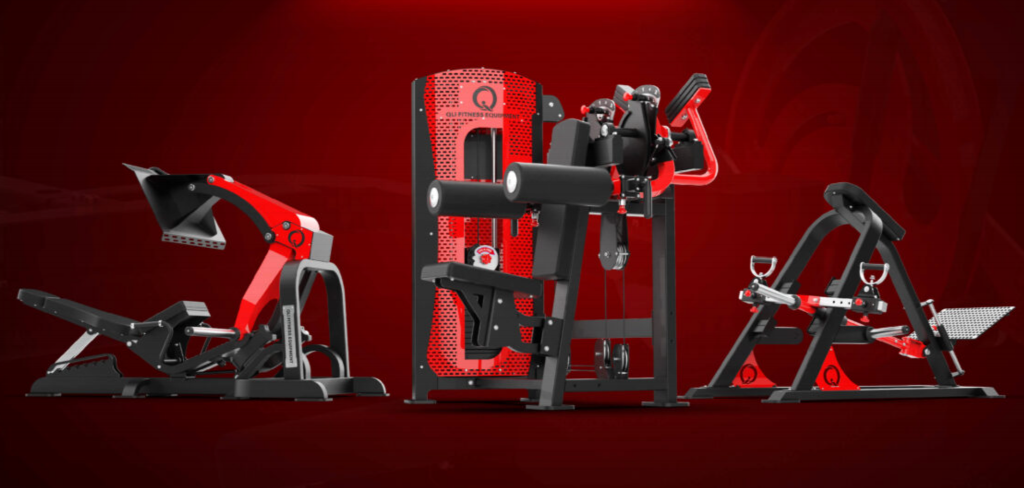
Strength training machines are essential components of many commercial gyms, fitness centres and dedicated training facilities. They provide structured movement patterns that allow users to target specific muscle groups while adjusting resistance according to their strength and experience. However, not all strength machines operate in the same way. Two of the most common categories are plate-loaded and pin-loaded machines, each offering different advantages in terms of resistance adjustment, training experience, maintenance and facility management.
Understanding the differences between these equipment types can help gym owners make informed purchasing decisions. Factors such as available floor space, member demographics, training preferences and equipment budgets can influence which machines are most suitable. When selecting commercial strength machines, it is important to consider how each design supports the intended training environment. Rather than assuming one option is universally better, gym operators should evaluate the practical benefits and limitations of both systems.
How Plate-Loaded Strength Machines Work
Plate-loaded strength machines use removable weight plates to create resistance during exercise. Users place compatible plates onto designated loading points, typically attached to a lever arm or movement mechanism. As the user performs the exercise, the loaded mechanism moves through a controlled path designed to target particular muscle groups. Common examples include plate-loaded chest presses, shoulder presses, leg presses and rowing machines.
One of the main characteristics of plate-loaded equipment is the flexibility it provides when selecting resistance. Users can increase or decrease the load by adding or removing plates, provided the machine’s specifications and loading limits are followed. Some designs feature independent movement arms, allowing each side of the body to work separately. The resistance experienced throughout an exercise depends on the machine’s geometry and movement mechanism, meaning that two plate-loaded machines designed for the same exercise may feel different.
How Pin-Loaded Strength Machines Work
Pin-loaded strength machines, often called selectorised machines, use an integrated weight stack connected to the exercise mechanism through cables, pulleys or other mechanical systems. Users select their preferred resistance by inserting a pin into the appropriate position on the weight stack. This allows resistance adjustments without manually handling individual weight plates.
The convenience of pin-loaded machines makes them particularly suitable for environments where users frequently change resistance levels. A person can move between lighter and heavier settings quickly, which may be helpful during warm-ups, progressive training or workouts involving multiple users. Many selectorised machines also include adjustable seats, backrests and movement settings to accommodate different body sizes. However, the available resistance is generally limited by the installed weight stack, and the increments between settings depend on the machine’s design.
Comparing Resistance Adjustment and Training Flexibility
Resistance adjustment is one of the most noticeable differences between plate-loaded and pin-loaded machines. Plate-loaded equipment allows users to select loads based on the available weight plates and the machine’s loading capacity. This can provide considerable flexibility, particularly for experienced strength trainers who want to make specific adjustments or work with heavier resistance.
Pin-loaded machines prioritise convenience and consistency. Users can select a resistance setting without searching for plates or manually loading equipment. This can make transitions between exercises more efficient, especially in busy commercial facilities. However, weight stack increments may not always match a user’s preferred progression. Some machines provide smaller adjustment options, while others have larger increases between settings. Gym owners should consider the training needs of their members when evaluating which adjustment system offers the most practical benefits.
Which Option Is Better for Beginners and Experienced Users?
Pin-loaded machines are often popular among beginners because resistance adjustments are straightforward and the equipment generally provides clear instructions for positioning and movement. Users can select a manageable weight and focus on learning the exercise without handling additional plates. This simplicity may also benefit older adults, rehabilitation clients and people who prefer structured resistance training, although appropriate exercise selection and professional guidance remain important.
Plate-loaded machines can appeal to experienced gym members who enjoy adjusting resistance manually or incorporating machine exercises into heavier strength training sessions. However, they are not exclusively intended for advanced users. Beginners can also use plate-loaded equipment when the machine is suitable for their abilities and the exercise is performed correctly. Similarly, experienced lifters may regularly use pin-loaded machines for accessory exercises or targeted muscle training. The most appropriate choice depends on the individual, the exercise and the machine’s design rather than training experience alone.
Maintenance and Durability in Commercial Gyms
Commercial fitness equipment must withstand repeated use by people with different strength levels and training habits. Plate-loaded machines generally have fewer cable-based components than many selectorised designs, although their construction varies considerably. Maintenance may involve inspecting pivot points, bearings, moving arms, fasteners and loading posts. Regular checks are important because worn components or loose connections can affect equipment performance and safety.
Pin-loaded machines require attention to their weight stacks, cables, pulleys, guide rods and selector mechanisms. Cables should be inspected for wear, while moving components may require cleaning or lubrication according to manufacturer instructions. A damaged selector pin or poorly maintained cable system can create safety concerns. Neither design is automatically maintenance-free or more durable in every situation. Equipment quality, usage levels, installation and adherence to maintenance schedules all influence long-term reliability. Gym operators should establish regular inspection procedures and arrange repairs when defects are identified.
Space Requirements and Gym Floor Organisation
Floor space is an important consideration when planning a commercial strength training area. Plate-loaded machines require sufficient room not only for the equipment itself but also for loading and unloading weight plates. Additional storage may be necessary to keep plates organised and accessible. Poorly positioned storage can create obstacles around machines and increase the risk of equipment being left in walkways.
Pin-loaded machines eliminate the need for separate weight plates during normal operation, which may simplify equipment organisation. However, some selectorised machines have substantial footprints, and their overall space requirements depend on the model. Gym owners should evaluate the complete operating area, including access routes, adjustment points and clearance for moving components. Arranging equipment by training function or movement pattern can also help members navigate the facility. A well-planned layout supports efficient workouts while reducing congestion during busy periods.
Understanding Equipment Costs and Long-Term Value
The purchase price of strength training equipment can vary significantly depending on the manufacturer, construction quality, features and intended level of use. Plate-loaded machines may have relatively straightforward resistance mechanisms, but buyers must also account for the cost of compatible weight plates and storage equipment. These additional purchases can influence the overall investment required to establish a complete training area.
Pin-loaded machines include integrated resistance stacks and adjustment mechanisms, which can affect their initial cost and future servicing requirements. However, the convenience of built-in resistance may provide practical value in facilities with high member turnover or frequent equipment sharing. When comparing options, gym owners should consider warranty coverage, spare parts availability, maintenance costs and expected service life. Choosing equipment based solely on the lowest purchase price may overlook factors that influence long-term performance and member satisfaction.
Why Combining Both Machine Types Can Benefit a Gym
Many commercial gyms benefit from offering a combination of plate-loaded and pin-loaded strength machines. Each design supports different training preferences, and providing both options can help accommodate a wider range of members. For example, selectorised equipment may be useful in beginner-friendly training areas, while plate-loaded machines can complement free weights and other equipment in dedicated strength zones.
A balanced equipment selection should also consider which muscle groups and movement patterns are already covered. Purchasing several similar machines may provide less practical value than choosing complementary equipment that supports a wider variety of exercises. Gym owners can review member feedback, equipment usage and available space before making purchasing decisions. The objective is not necessarily to install equal numbers of each machine type but to create a strength training environment that matches the facility’s purpose and the needs of its users.
Conclusion
Plate-loaded and pin-loaded strength machines both play valuable roles in commercial fitness facilities, but they differ in how resistance is applied and adjusted. Plate-loaded equipment offers flexibility through removable weight plates, while pin-loaded machines provide convenient resistance selection using integrated weight stacks. Each design has advantages relating to training preferences, maintenance, floor space and everyday usability.
Choosing between these machines requires an understanding of the facility’s members, available budget and long-term operational requirements. Rather than treating the decision as a choice between competing equipment types, gym owners should consider how both can contribute to a well-rounded training environment. By prioritising quality, practical functionality and appropriate equipment selection, fitness facilities can create strength training areas that support a broad range of users and training goals.
Other Articles You May Find of Interest...
- How to Get Abs: The Ultimate Guide to a Leaner Body
- Plate-Loaded vs Pin-Loaded Strength Machines: What’s the Difference?
- Meal Planning With Hashimoto’s: A Week of Thyroid-Friendly Eating Without the Stress
- How Can I Get More Magnesium in My Diet?
- Is a Personal Trainer Worth It After 50?
- The Evolution Of Metabolic Care: Navigating Telehealth Consultations, Safety, And Modern Weight Management
- How Bad Is Eating Out, and What Can Busy People Do About It?





