






Your Health Magazine
4201 Northview Drive
Suite #102
Bowie, MD 20716
301-805-6805
More Weight Control, Nutrition & Exercise Articles
Nutrition Tips Every Bodybuilder Should Know
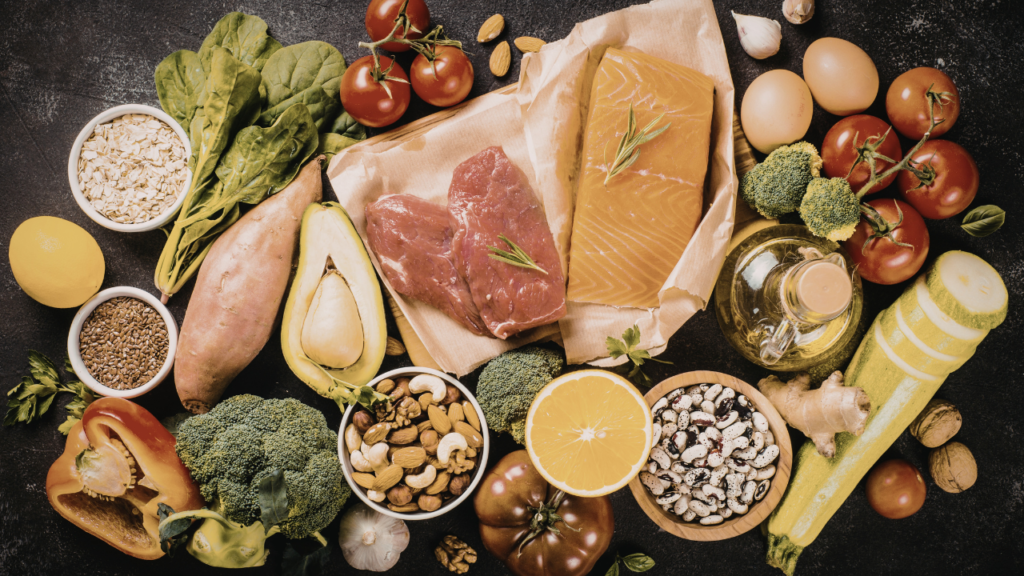
Every bodybuilder reaches the same moment eventually. Training feels intense. The program looks solid. The gym time is consistent. But progress slows down anyway. Strength stops climbing. Muscles don’t look fuller. Recovery feels harder than it should. That moment usually has nothing to do with training. It has everything to do with food, recovery, and the quality of what you put into your body.
This is something serious lifters learn over time, especially those who pay close attention to nutrition and trusted support systems like PharmaQo that focus on consistency and performance. These Nutrition Tips Every Bodybuilder Should Know aren’t theory or internet trends. They’re based on how the body actually responds to food when you lift heavy, train often, and expect results. Nutrition is not about eating perfectly.
It’s about eating intentionally, consistently, and in a way that supports growth instead of fighting it.
Understanding Muscle-Building Nutrition at a Practical Level
Muscle-building nutrition is not just calories and macros on paper. It’s how your body uses food to recover, rebuild, and adapt to stress. Lifting weights creates damage. Nutrition determines how well that damage turns into muscle instead of fatigue.
When nutrition is off, you feel it quickly:
- Pumps disappear
- Strength drops
- Soreness lasts longer
- Motivation dips
When nutrition is right, everything feels smoother. Training quality improves. Recovery feels predictable. Progress becomes repeatable.
Calorie Surplus for Muscle Growth Without Getting Fat
One of the most misunderstood concepts in bodybuilding is eating in a surplus. A calorie surplus for muscle growth does not mean eating anything and everything.
It means eating enough to support growth without turning every bulk into unnecessary fat gain.
Smart weight gain nutrition tips include:
- Increasing calories slowly, not overnight
- Watching weekly weight changes, not daily fluctuations
- Adjusting based on performance and recovery, not emotions
If your strength is climbing and body fat is under control, your calorie intake is doing its job.
Protein Intake for Muscle Growth Is About Consistency
Everyone talks about protein, but very few people apply it correctly. Protein intake for muscle growth works best when it’s spread throughout the day, not crammed into one or two meals.
Muscle protein synthesis happens repeatedly, not all at once. That’s why bodybuilders focus on high-protein foods for bodybuilders at every meal.
Reliable protein sources include:
- Eggs and egg whites
- Chicken, turkey, lean beef
- Fish and seafood
- Greek yogurt and cottage cheese
- Quality plant proteins
You don’t need extreme amounts. You need steady intake, day after day.
Carbs for Bodybuilding Fuel Training and Recovery
Cutting carbs too aggressively is one of the fastest ways to stall progress. Carbs for bodybuilding are not optional if you train hard.
Carbohydrates:
- Fuel intense workouts
- Support muscle fullness
- Reduce muscle breakdown
- Improve recovery speed
Complex carbs like rice, oats, potatoes, fruits, and whole grains provide stable energy. Some advanced athletes experiment with carb cycling for bodybuilders, increasing carbs on heavy training days and reducing them slightly on rest days.
Carbs should support training, not scare you.
Healthy Fats for Bodybuilders Support Long-Term Progress
Fats don’t get enough credit. Healthy fats for bodybuilders play a role in hormone production, joint health, and nutrient absorption.
Eliminating fats completely can lead to:
- Poor recovery
- Hormonal issues
- Low energy
- Stalled gains
Balanced fat sources include olive oil, nuts, seeds, avocados, and fatty fish. You don’t need large amounts, but you do need them consistently.
Macronutrient Balance for Bodybuilders Is Personal
There is no universal macro split that works for everyone. The right macronutrient balance for bodybuilders depends on body type, training volume, metabolism, and goals.
Some lifters perform better with higher carbs. Others need slightly more fats. The key is paying attention to:
- Strength performance
- Recovery speed
- Body composition changes
Macros should support your training, not limit it.
Meal Timing for Muscle Gain Builds Momentum
Meal timing for muscle gain doesn’t require obsession, but it does require awareness. Going long hours without food makes recovery harder and training less effective.
Eating every few hours helps:
- Maintain energy
- Support muscle repair
- Prevent overeating later
Meal timing supports consistency, and consistency builds results.
Pre-Workout Nutrition Sets the Tone for Training
Good pre-workout nutrition is about fuel, not stimulation. A balanced meal with carbs and protein before training can dramatically improve performance.
This meal should:
- Digest comfortably
- Provide steady energy
- Prevent strength drop-offs mid-workout
When pre-workout nutrition is right, training feels controlled instead of exhausting.
Post-Workout Recovery Meals Matter More Than Most Realize
Training breaks muscle. Post-workout recovery meals decide how well it rebuilds.
After training, your body is primed to absorb nutrients. Protein helps repair muscle fibers. Carbs restore glycogen and support recovery.
Skipping this meal repeatedly slows progress, even if everything else looks good.
Hydration Tips for Bodybuilders Often Get Ignored
Food gets all the attention, but water quietly affects everything. Proper hydration improves strength, endurance, digestion, and recovery. Simple hydration tips for bodybuilders include drinking water consistently throughout the day, not just during workouts.
Dehydration reduces performance long before you feel thirsty.
Clean Eating for Muscle Growth Improves Consistency
Clean eating for muscle growth doesn’t mean eating perfectly. It means making whole foods the foundation of your diet.
Whole, nutrient-dense foods for muscle gain provide better digestion, more stable energy, and improved recovery compared to heavily processed options.
Clean eating makes progress easier to maintain long term.
Supplements for Bodybuilding Nutrition Are Support Tools
Supplements for bodybuilding nutrition should support your diet, not replace it. Protein powders, recovery aids, and performance support products help fill gaps when food intake isn’t perfect.
Quality matters. Poor-quality supplements waste money and time.
Meal Prepping for Muscle Gain Creates Discipline
Most people don’t fail because of bad intentions. They fail because life gets busy. Meal prepping for muscle gain removes decision-making from the equation.
Benefits include:
- Fewer missed meals
- Better portion control
- Less reliance on junk food
Preparation turns nutrition into a habit instead of a daily struggle.
Nutrition for Strength Training Requires Structure
Heavy lifting demands fuel. Proper nutrition for strength training supports:
- Heavier lifts
- Faster recovery
- Nervous system health
Strength-focused athletes often need more carbs and consistent calories to maintain performance.
Bodybuilder Diet Strategy for Long-Term Results
A smart bodybuilder diet strategy evolves over time. What works in one phase may need adjustment in another.
The best strategy:
- Supports training
- Allows flexibility
- Can be followed for months, not weeks
Sustainable nutrition always wins.
Why Serious Bodybuilders Trust PharmaQo
As the owner of PharmaQo, the focus has always been quality, reliability, and performance support. PharmaQo is built for athletes who understand that nutrition, recovery, and consistency all work together.
Why bodybuilders choose PharmaQo:
- High-quality standards
- Performance-focused solutions
- Trusted by experienced lifters
- Designed to support serious training goals
When structured nutrition meets PharmaQo quality, progress becomes predictable instead of random.
Frequently Asked Questions
How much protein does a bodybuilder really need?
Most bodybuilders do well with consistent daily protein intake spread across meals rather than extreme amounts at once.
Is carb cycling necessary for muscle gain?
No, but carb cycling for bodybuilders can be useful for advanced athletes managing energy and body composition.
Can clean eating build muscle without supplements?
Yes. Supplements help, but consistent food intake and smart training matter far more.
Final Thoughts
These Nutrition Tips Every Bodybuilder Should Know are not shortcuts. They are principles that work because they respect how the body actually grows. Eat enough. Fuel training. Recover properly. Stay consistent.
When nutrition supports training instead of fighting it, results stop feeling random and start feeling earned.
Other Articles You May Find of Interest...
- How Tesamorelin Tablets Are Used in Lab Studies
- Maximize Your Gains with CJC 1295 and Ipamorelin Bodybuilding Dosage
- The Health Benefits of Sprouted Pumpkin Seeds for Optimal Nutrition
- TMG: Unveiling Its Benefits and Importance for Your Health
- Exploring the Impact of E78.2 on Your Health and Wellness
- Do GLP-1 Drugs Like Ozempic Affect Love, Motivation, or Emotions? What the Science Actually Says
- Best Electrolytes for People Avoiding Sugar




