






Your Health Magazine
4201 Northview Drive
Suite #102
Bowie, MD 20716
301-805-6805
More Weight Control, Nutrition & Exercise Articles
Low-Calorie, High-Protein Meals: How to Eat Smart Without Sacrificing Nutrition
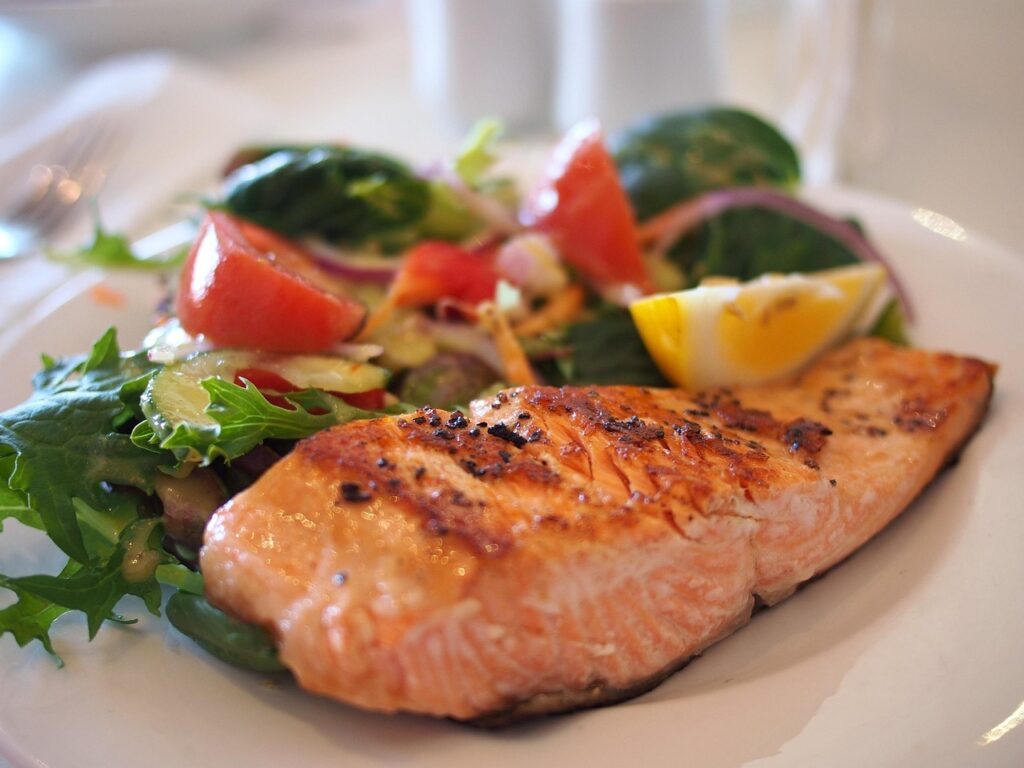
Maintaining a healthy diet can sometimes feel like a balancing act. You want meals that are filling, nutritious, and support your fitness goals, but without overloading on calories. That’s where low-calorie, high-protein meals come in. They help you feel satisfied, maintain lean muscle, and manage weight without compromising nutrition. Whether you’re a busy professional, a fitness enthusiast, or someone just looking to eat healthier, understanding how to build these meals can make a huge difference.
In this article, we’ll explore why high-protein, low-calorie meals matter, the principles behind them, sample meal ideas, and practical tips to make them a part of your daily routine. By the end, you’ll have a clear roadmap to eat smart without sacrificing taste or satisfaction.
Why High-Protein, Low-Calorie Meals Matter
Protein is a key nutrient for anyone looking to improve health, lose weight, or maintain muscle. Unlike carbs and fats, protein has a higher thermic effect, which means your body burns more calories digesting it. It also helps you feel fuller for longer, reducing cravings and unnecessary snacking.
Low-calorie meals, on the other hand, help manage overall energy intake. By combining lean protein sources with nutrient-dense vegetables and healthy carbs, you can enjoy satisfying meals without overshooting your daily calorie goals.
Some benefits of incorporating high-protein, low-calorie meals include:
- Enhanced satiety: Protein-rich meals keep you feeling full, preventing overeating.
- Muscle maintenance: Especially important if you exercise regularly or are on a weight-loss plan.
- Metabolic boost: Eating protein gives your metabolism a boost because your body uses more energy to digest it than fats or carbs.
- Balanced nutrition: Properly structured meals ensure you get essential vitamins and minerals.
Key Principles for Building Low-Calorie, High-Protein Meals
Creating meals that are both low in calories and high in protein doesn’t have to be complicated. Here are some fundamental principles to guide your meal planning:
1. Prioritize Lean Protein Sources
Protein is the cornerstone of these meals. Aim to include a source of protein in every meal:
- Animal-based: Chicken breast, turkey, lean beef, eggs, fish
- Plant-based: Tofu, tempeh, legumes (lentils, chickpeas, black beans), edamame
- Dairy: Greek yogurt, cottage cheese, low-fat milk
A simple rule of thumb is to aim for 20–30 grams of protein per main meal. It also helps you stay full longer and supports healthy muscle maintenance.
2. Load Up on Vegetables
Vegetables are naturally low in calories but high in fiber, vitamins, and minerals. Fiber slows digestion, helping you feel fuller for longer. Include a variety of colorful vegetables to ensure a wide range of nutrients:
- Leafy greens: spinach, kale, romaine
- Cruciferous veggies: broccoli, cauliflower, Brussels sprouts
- Others: zucchini, bell peppers, mushrooms
- For balanced meals, try filling half your plate with vegetables at both lunch and dinner.
3. Include Smart Carbs
Even in low-calorie meals, carbohydrates are important for energy. Focus on complex carbs that digest slowly:
- Quinoa, brown rice, oats
- Sweet potatoes, whole-grain pasta, legumes
Moderation is key—portion sizes should align with your daily calorie goals.
4. Use Healthy Fats Wisely
Fats are essential for hormone regulation and nutrient absorption, but they’re calorie-dense. Include small amounts of healthy fats:
- Avocado
- Nuts and seeds
- Olive oil or coconut oil (for cooking)
A teaspoon or two per meal is usually enough for flavor and health benefits.
Sample Meal Ideas
Here’s a practical guide to putting these principles into action. Each meal is high in protein, moderate in carbs, and low in calories, making it perfect for anyone managing their weight or following a 1500 calorie meal plan.
Breakfast Options
1. High-Protein Overnight Oats
- ½ cup oats
- ½ cup Greek yogurt
- 1 scoop protein powder
- ½ cup berries
Benefits: Quick, filling, and portable. Provides around 25–30g of protein with fewer than 350 calories.
2. Veggie Omelet
- 3 egg whites + 1 whole egg
- Spinach, tomatoes, bell peppers
- 1 tsp olive oil
Benefits: Low-calorie, high-protein, and packed with micronutrients.
Lunch Options
1. Grilled Chicken Salad
- 4 oz grilled chicken breast
- Mixed greens, cherry tomatoes, cucumbers
- ½ cup quinoa
- 1 tsp olive oil + lemon juice
Benefits: Balanced macronutrients, around 30g of protein, and 400 calories.
2. Lentil and Veggie Bowl (Vegetarian)
- 1 cup cooked lentils
- Roasted broccoli and zucchini
- 1 tbsp tahini
Benefits: High in protein and fiber, keeping you full and energized.
Snack Options
1. Greek Yogurt with Berries
- ¾ cup Greek yogurt
- ½ cup fresh berries
2. High-Protein Smoothie
- 1 scoop protein powder
- 1 cup unsweetened almond milk
- ½ banana
- Ice cubes
Benefits: Both options are quick, easy, and satisfying, around 150–200 calories each.
Dinner Options
1. Tofu Stir-Fry
- ½ block firm tofu
- Mixed vegetables (broccoli, bell peppers, snow peas)
- 1 tsp sesame oil
2. Baked Salmon with Veggies
- 4 oz salmon
- Steamed asparagus and carrots
- Lemon and herbs for flavor
Benefits: Protein-packed meals with low-calorie density to support satiety and nutrition.
Tips for Success
Eating low-calorie, high-protein meals consistently can be easier with a few practical tips:
- Meal Prep: Batch cook proteins and vegetables for the week.
- Portion Control: Use a food scale or measuring cups to keep your portions in check and stay consistent with your goals.
- Cooking Methods: Opt for baking, steaming, grilling, or air-frying instead of frying.
- Stay Hydrated: Drinking water between meals can reduce hunger and prevent overeating.
- Track Macros: Using an app can help monitor calories and protein intake, keeping your meals balanced.
Remember, consistency matters more than perfection. Small, sustainable changes lead to long-term success.
Conclusion
Eating smart doesn’t mean compromising on flavor or satisfaction. Low-calorie, high-protein meals provide the best of both worlds: they help you stay full, support your muscle goals, and keep calories in check. Whether you prefer animal-based proteins or plant-based options, there are plenty of delicious meals that fit your lifestyle.
For those looking for convenient ways to boost protein intake, especially on busy days, protein shakes for weight loss can be an excellent addition to your routine, helping you stay on track with your health and fitness goals.
Start incorporating these meals today, and you’ll notice better energy, improved satiety, and steady progress toward your health goals—all while enjoying the foods you love.
Other Articles You May Find of Interest...
- How Fat Gripz Improve Strength and Grip Performance
- Nutrition Tips Every Bodybuilder Should Know
- How Pasture-Raised Cattle Change the Nutritional Profile of Your Protein Powder
- Low-Calorie, High-Protein Meals: How to Eat Smart Without Sacrificing Nutrition
- Discover the Health Benefits of Low Mercury Fish for Your Diet
- Vraylar Weight Gain: What You Need to Know to Manage Your Health
- How Adjustable Dumbbells Help Maintain Muscle Health at Every Fitness Level




