More Weight Control, Nutrition & Exercise Articles
Exploring the Nutritional Benefits of Blue Cheese
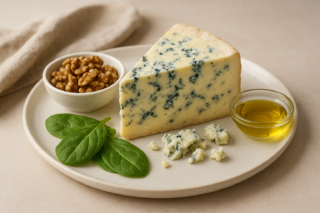
Imagine slicing into a fresh wedge of blue cheese, the veins of blue mold marbling its creamy essence. You might wonder about blue cheese nutrition and whether incorporating this distinct cheese into your diet offers any health benefits. While cheese often receives mixed reviews regarding its health impact, blue cheese has a unique profile worth exploring.
Understanding Blue Cheese Nutrition
Blue cheese is a staple in gourmet cooking and a popular addition to salads, dressings, and charcuterie boards. Rich in calcium, protein, and vitamin A, it can contribute to your daily nutritional intake. However, it also contains fats and salts, factors to consider if you are monitoring your nutritional balance.
Calcium is crucial for maintaining healthy bones and teeth. Just a small serving of blue cheese can help you meet your daily calcium needs. Additionally, the proteins present are essential building blocks for muscles and bodily tissues.
Incorporating Blue Cheese into Everyday Meals
It’s easy to add a flavorful touch to meals with blue cheese. Its distinct taste complements roasted vegetables, pairs perfectly with fruits like pears and figs, and can elevate a simple sandwich to gourmet status. But enjoying blue cheese in moderation is key, given its saturated fat and sodium content.
Sprinkle it over a salad or use it as a topping for whole-grain crackers to savor its robust flavor without overindulging. Such mindful consumption allows you to appreciate its unique taste and potential health benefits without dietary drawbacks.
When to Seek Care
If you experience dietary concerns or have specific conditions such as lactose intolerance or high blood pressure, consult with a nutritionist or dietitian. They can provide personalized advice on including blue cheese or any dairy products in your diet safely.
For individuals with known allergies to dairy or specific molds, avoiding blue cheese may be advisable. In such cases, an allergist or healthcare provider can help guide your dietary choices.
Potential Health Benefits of Blue Cheese
While blue cheese can contribute positively to your nutrition, it offers some surprising potential health benefits. Interestingly, some studies suggest that the Penicillium mold used in blue cheese production can help fight off harmful bacteria, potentially enhancing gut health.
Moreover, the consumption of fermented cheeses like blue cheese has been linked to lower levels of bad cholesterol (LDL) in some populations, supporting cardiovascular health. However, results may vary, and individual responses to dietary changes should be considered.
Managing Potential Dietary Concerns
Those on low-sodium or low-fat diets need to manage their intake of blue cheese, as it contains higher levels of both. It’s also crucial for individuals with lactose intolerances to understand their threshold, as blue cheese may still contain lactose.
Discussing dietary choices with a healthcare professional can provide clarity, especially when dealing with specific health conditions. They can offer advice tailored to your personal dietary needs and health status.
Understanding how lifestyle choices impact overall health can be beneficial when considering cheese in your diet. For more insights on balancing nutrition with lifestyle, you might find this article insightful.
Summary of Nutritional Value
Blue cheese is rich in nutrients beneficial for health, but it should be consumed with mindfulness of its fat and salt content. Appreciating its distinct flavor can be part of a balanced diet, offering enjoyment along with nutritional benefits.
To further educate yourself on general nutrition, visit resources like the MedlinePlus Nutrition Guide, which provides comprehensive information on how different foods contribute to health.
- Blue cheese is a good source of calcium and protein.
- It should be consumed in moderation due to its sodium and fat content.
- Potential health benefits include improved gut health and reduced LDL cholesterol.
- Consult a healthcare provider for personalized dietary advice.
- Mindful addition to your meals can enhance nutritional balance and flavor.
Common Questions
Is blue cheese suitable for people with lactose intolerance?
Blue cheese may still contain small amounts of lactose, so those with lactose intolerance should consume it with caution. It’s best to consult with a healthcare provider to determine your personal dairy tolerance.
Does blue cheese have probiotic benefits?
Some studies suggest that the bacteria in blue cheese can be beneficial for gut health, but more research is needed. Including a diverse range of fermented foods can help boost gut flora balance.
Can blue cheese affect cholesterol levels?
There is some evidence that fermented cheeses may help reduce LDL cholesterol, but responses can vary. Consuming cheese as part of a balanced diet is key to managing overall cholesterol levels.
What should I do if I have an allergic reaction to blue cheese?
Seek immediate medical attention if you experience any allergic symptoms after consuming blue cheese. An allergist can provide further testing and advice.
When should I see a dietitian regarding my cheese consumption?
If you’re uncertain about how cheese fits into your diet, or have specific health concerns, a dietitian can offer tailored advice and meal planning support.
Blue cheese nutrition can support a well-rounded diet when approached with thoughtfulness and an understanding of individual health needs.
Other Articles You May Find of Interest...
- What a Weight Loss Clinic in Melbourne Can Do Before and After Your Surgery
- Cold Plunge or Sauna? What the Recovery Research Actually Shows
- How Personalized Weight Loss Programs Help Achieve Sustainable, Long-Term Results
- High-Fructose Foods to Limit and Lower-Sugar Alternatives
- Best High-Fiber Foods Chart for Better Digestive Health
- How Many Carbs Are in Turkey Bacon?
- 9 Healthiest Mushrooms to Eat