






More Weight Control, Nutrition & Exercise Articles
Why Muscle Strength Matters More Than Most People Realise
Muscle strength is often viewed through the lens of sport, bodybuilding or physical appearance. Images of heavy weights and demanding gym routines have shaped the perception that building strength is something reserved for athletes or fitness enthusiasts. In reality, muscle strength is one of the most important foundations of long-term health, influencing everything from mobility and balance to metabolism and independence.
Everyday life depends on muscles far more than many people appreciate. Standing up from a chair, climbing stairs, carrying shopping, opening heavy doors and maintaining good posture all rely on muscles working efficiently. As people grow older, preserving strength becomes less about performance and more about maintaining the freedom to live independently.
The encouraging news is that muscle strength can be improved at almost any age. Small, consistent habits often have a greater impact than occasional intense workouts, making strength training far more accessible than many imagine.
The Hidden Cost of Muscle Loss
Muscle naturally declines with age, particularly from the fourth decade of life onwards. Without regular activity, this gradual loss can accelerate, making everyday movements more challenging over time. While the process is often slow enough to go unnoticed, its effects can become significant years later.
Reduced muscle strength can affect much more than physical ability. Simple tasks may begin to require greater effort, leading some people to avoid activities they once enjoyed. That loss of confidence can reduce overall activity levels, creating a cycle in which weaker muscles become even weaker.
Preventing muscle loss is generally easier than rebuilding it after years of inactivity. Regular movement and basic strength exercises help maintain muscle tissue, supporting independence well into later life rather than waiting until mobility becomes a concern.
More Than Muscles: Why Strength Supports Your Whole Body
Muscles do far more than create movement. They act as the body’s metabolic engine, helping regulate energy use, support healthy blood sugar control and contribute to overall metabolic health. Healthy muscle tissue remains active even during rest, making it an important part of maintaining a healthy body composition.
Strength also protects the joints. Well-conditioned muscles absorb some of the forces placed on knees, hips, shoulders and the spine during daily activities. This additional support can improve stability and reduce unnecessary strain on surrounding tissues.
Good posture and balance also depend heavily on muscular strength. Strong core, back and leg muscles help maintain proper alignment, reducing fatigue and improving movement efficiency. Together, these benefits contribute to greater physical resilience, allowing people to recover more easily from everyday demands.
What Your Grip Strength Can Reveal About Your Health
Grip strength may seem like a simple measure, yet it has attracted considerable attention from researchers studying healthy ageing. A firm grip reflects more than strong hands; it often provides a useful snapshot of overall muscle function throughout the body.
Healthcare professionals sometimes include grip strength assessments because weaker results can be associated with reduced physical function and lower overall strength. Although grip strength alone does not diagnose health conditions, it can provide another indicator of physical capability alongside other assessments.
Improving grip strength does not necessarily require specialist equipment. Carrying shopping bags, gardening, climbing, squeezing therapy balls and performing pulling exercises all contribute. Simple resistance exercises involving the forearms and upper body naturally strengthen the hands as part of a balanced routine.
Everyday Strength Makes Everyday Life Easier
Many of the movements performed each day rely on functional strength rather than athletic ability. Standing up from a sofa, lifting luggage into a car, reaching high shelves or carrying children all require muscles working together efficiently.
One of the clearest signs of good lower-body strength is the ability to stand from a seated position without using the arms for assistance. This seemingly ordinary movement reflects leg strength, balance and coordination, all of which contribute to maintaining independence.
Functional strength focuses on improving movements that matter outside the gym. Rather than chasing heavier lifts or personal records, it prepares the body for real-life situations. For most people, this approach delivers greater long-term benefits than training solely for appearance.
Ageing Well Through Stronger Muscles
Ageing does not inevitably mean becoming weak or inactive. Although muscle mass gradually declines over time, regular strength training helps slow that process and supports healthier ageing.
Maintaining strength becomes increasingly valuable with each decade. Stronger muscles improve balance, making trips and falls less likely, while better coordination allows everyday activities to remain manageable for longer. This combination helps many older adults continue enjoying hobbies, travel and independent living.
Remaining physically active also supports mental wellbeing. Confidence often grows alongside physical capability, encouraging people to stay socially engaged and continue participating in activities that contribute to a higher quality of life.
Making Strength Training Simple with Exercise Bands
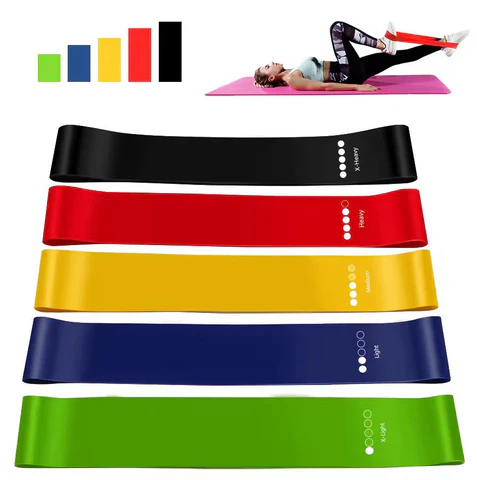
Strength training does not always require expensive equipment or a gym membership. For many beginners, exercise bands provide an accessible introduction to resistance training because they allow movements to be performed with controlled, adjustable resistance.
Unlike heavy weights, resistance bands create tension throughout an exercise while remaining lightweight, portable and easy to store. This makes them suitable for home workouts, business travel or anyone with limited space. They can also support rehabilitation programmes and mobility exercises when used appropriately.
Because exercise bands are available in different resistance levels, individuals can gradually increase the challenge as strength improves. Many healthcare professionals and fitness instructors recommend them as one practical option for developing strength safely, particularly for those returning to exercise after a long break.
A wide range of exercise bands is available through sports retailers and specialist fitness suppliers, including websites such as fitstraps.ie, reflecting the growing interest in simple home-based strength training.
Small Changes Today, Big Benefits Tomorrow
Building strength rarely depends on dramatic lifestyle changes. Consistency usually delivers better results than occasional bursts of intense exercise followed by long periods of inactivity.
A balanced routine combines strength exercises with regular walking or other forms of physical activity, nutritious meals that support muscle maintenance and sufficient recovery between sessions. Quality sleep also plays an important role, allowing muscles to repair and adapt after exercise.
Even modest improvements accumulate over time. Adding two or three short strength sessions each week may seem insignificant initially, but the long-term benefits can be substantial. Greater confidence, improved mobility and better overall health often develop gradually rather than overnight.
Conclusion
Muscle strength influences far more than physical appearance. It underpins movement, balance, metabolism, confidence and independence throughout every stage of life. While muscle loss is a natural part of ageing, it is not something that must simply be accepted.
Simple, consistent strength training helps preserve the body’s ability to perform everyday tasks comfortably while supporting long-term health. Whether achieved through bodyweight exercises, traditional weights or practical tools such as resistance bands, maintaining muscle strength remains one of the most valuable investments anyone can make in future wellbeing.
Looking after muscles today can make everyday life easier for many years to come.
Other Articles You May Find of Interest...
- What a Weight Loss Clinic in Melbourne Can Do Before and After Your Surgery
- Cold Plunge or Sauna? What the Recovery Research Actually Shows
- How Personalized Weight Loss Programs Help Achieve Sustainable, Long-Term Results
- High-Fructose Foods to Limit and Lower-Sugar Alternatives
- Best High-Fiber Foods Chart for Better Digestive Health
- How Many Carbs Are in Turkey Bacon?
- 9 Healthiest Mushrooms to Eat





