






More Weight Control, Nutrition & Exercise Articles
Discover the Unique Flavor Profile of Rambutan Fruit
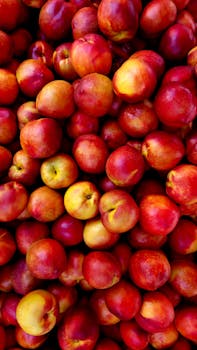
Rambutan is a delightful tropical fruit that intrigues many with its peculiar appearance and unique taste. If you’ve ever wondered, “what does rambutan taste like?” you’re not alone. Rambutan offers a diverse flavor profile that is both fascinating and enjoyable, making it a popular choice among fruit enthusiasts worldwide.
What Does Rambutan Taste Like?
The taste of rambutan is often described as a perfect blend of sweet and slightly acidic flavors. Its juicy, translucent flesh is reminiscent of lychee or grape, with a hint of floral sweetness. The texture of rambutan is also similar to these fruits, offering a firm but yielding bite that bursts with juiciness. The delicate balance of sweet and tart notes makes rambutan an incredibly refreshing and satisfying fruit to enjoy, especially in warmer climates.
The Appearance and Texture of Rambutan
Before delving into its taste, the appearance of rambutan is worth noting. Encased in a thick, spiky red or yellow shell, the fruit inside is a smooth, ivory white orb. The spikes on the skin are soft to the touch and make the fruit instantly recognizable. When you peel the skin away, you’re left with the juicy pulp that boasts the delightful taste we’ve already described.
Nutritional Benefits of Rambutan
Rambutan is not only delicious but also packed with nutrients. It’s a good source of vitamin C, providing an immune boost and aiding in the absorption of iron. Additionally, rambutan contains a variety of other vitamins and minerals, including manganese, phosphorus, and magnesium. These nutrients support various bodily functions, helping to maintain overall health.
Moreover, the fiber content in rambutan aids digestive health, promoting regular bowel movements and contributing to a balanced diet. For those interested in how lifestyle choices impact overall health, integrating fruits like rambutan can be a flavorful and health-promoting choice.
Culinary Uses for Rambutan
Rambutan’s versatility extends beyond being a simple snack. Its sweet flavor makes it an ideal addition to salads, desserts, and beverages. A popular way to enjoy rambutan is by adding it to fruit salads, where its taste complements other tropical fruits like mango and pineapple. It can also be used in smoothies, where its sweet and juicy nature helps create a refreshing drink.
Additionally, rambutan pairs well with savory dishes, adding a sweet contrast to spicy or salty ingredients. Some chefs incorporate it into Southeast Asian salads or as a topping for grilled meats, providing a unique and alluring twist to traditional recipes.
Where to Find Rambutan
Rambutan is readily available at Asian markets and in regions where it’s grown, such as Southeast Asia. In recent years, it has also become more accessible in Western countries as global trade expands. If you’re new to rambutan, try visiting a specialty grocery store or a local farmers’ market to find fresh or canned versions of this intriguing fruit.
Conclusion
If you’ve been asking yourself, “what does rambutan taste like?,” you now have a comprehensive understanding of its flavor profile. With its mix of sweetness and tartness, juicy texture, and nutritional benefits, rambutan is a fruit worth exploring. Incorporating rambutan into your diet not only diversifies your palate but also supports your health with its nutritious properties.
- Rambutan offers a sweet and slightly acidic taste similar to lychee or grape.
- The fruit is rich in vitamin C and other nutrients, promoting overall health.
- Rambutan is versatile in culinary uses, suitable for both sweet and savory dishes.
- It is becoming more accessible in Western markets, often found in Asian grocery stores.
- Exploring rambutan can add both flavor and variety to your diet.
Is rambutan similar to lychee?
Yes, rambutan is similar to lychee in taste and texture. Both fruits have a juicy, sweet, and slightly tart flavor, with rambutan offering a bit more floral and tropical notes.
Can you eat rambutan seeds?
Rambutan seeds are generally not consumed due to their bitterness and potential toxicity. It’s best to discard the seeds and enjoy only the pulp.
What are the health benefits of eating rambutan?
Rambutan is high in vitamin C, which supports the immune system. It’s also rich in antioxidants and fiber, aiding in digestion and overall health.
How can you tell if a rambutan is ripe?
A ripe rambutan is vibrant in color—typically red with soft, flexible spines. The shell should be slightly firm, giving way to pressure without being mushy.
Are there any drawbacks to eating rambutan?
While rambutan is healthy, consuming it in moderation is key. Its natural sugars can add up, so it’s best enjoyed as part of a balanced diet. If you have any dietary concerns, consulting with a healthcare provider is advisable.
For more information about rambutan and its benefits, consider visiting the article on Wikipedia where you can discover more about its nutritional profile and culinary uses.
Other Articles You May Find of Interest...
- Can’t Gain Weight No Matter How Much You Eat? Read This!
- Discover the Unique Flavor Profile of Rambutan Fruit
- The Science of Intermittent Fasting — and Where Technology Fits In
- Weight Loss Surgery: Bariatric Surgery’s Role in Diabetes Improvement
- Exploring the Benefits and Potential of Cagrilintide Peptide in Health Management
- Delicious Soft Foods to Savor for a Gentle Diet
- Pepto-Bismol Liquid Dosage Guidelines for Effective Relief




