






More Weight Control, Nutrition & Exercise Articles
Discover the Nutritional Power of Jicama and Its Health Benefits
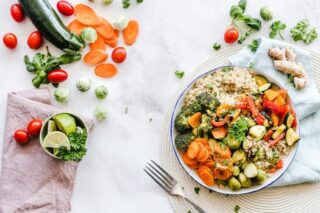
Jicama, a root vegetable native to Mexico, has gained global recognition for its impressive nutritional profile and potential health benefits. When searching for jicama nutrition information, you’ll find that this crisp and juicy vegetable is low in calories but packed with essential nutrients. Let’s uncover the nutritional power of jicama and how it may support a healthy lifestyle.
Jicama Nutrition Information
The nutritional content of jicama makes it a smart addition to your diet. A single cup of raw jicama contains about 49 calories, making it an excellent low-calorie snack option. It’s also rich in fiber, which helps promote digestive health and can aid in weight management. Jicama is a good source of vitamin C, providing a significant boost to your immune system. Moreover, it contains smaller amounts of key nutrients like potassium, magnesium, and iron.
One of the key benefits of incorporating jicama into your diet is its high water content, which can help keep you hydrated. It’s also low in fat and contains no cholesterol, making it heart-healthy. The iron in jicama supports oxygen transport in the blood, while magnesium plays a crucial role in muscle and nerve function.
Health Benefits of Jicama
Beyond its nutritional value, jicama offers a range of health benefits. Its high fiber content can contribute to improved digestion and a reduced risk of constipation. The fiber also helps regulate blood sugar levels, making jicama a favorable option for those managing diabetes.
Vitamin C in jicama acts as an antioxidant, protecting cells from damage caused by free radicals. This can support skin health and delay aging signs. The potassium in jicama contributes to maintaining healthy blood pressure levels, potentially reducing the risk of cardiovascular diseases.
Moreover, jicama contains inulin, a type of prebiotic fiber that supports the growth of beneficial gut bacteria. This may lead to better gut health and improved nutrient absorption. Inulin has also been linked to a stronger immune system, as it influences the gut’s microbial balance.
How to Enjoy Jicama
Jicama’s crunchy texture and mild flavor make it versatile in the kitchen. It can be eaten raw, sliced into sticks, and enjoyed as a low-calorie snack. For added flavor, sprinkle some lime juice and chili powder on top. Jicama can also be added to salads, providing an extra crunch.
If you prefer cooked vegetables, try adding jicama to stir-fries or roasting it with your favorite herbs and spices. It retains its crispness even after cooking, making it a great option for various recipes. Jicama can also be blended into smoothies for a refreshing twist.
Considerations for Jicama Consumption
While jicama is generally safe for consumption, it’s essential to peel it thoroughly before eating, as the skin contains toxins that can be harmful if ingested. Always wash the vegetable under running water to remove any dirt or residues.
Individuals with allergies to other root vegetables should consult with a healthcare provider before introducing jicama into their diet. Additionally, those with certain medical conditions should seek professional guidance on how jicama might fit into their meal planning.
For more details on the nutritional and health aspects of jicama, visit the Wikipedia Health Page for comprehensive information.
Overall, the jicama nutrition information highlights its potential contributions to a balanced, healthy diet. By incorporating jicama into your meals, you can enjoy its numerous benefits while delighting in its crisp and refreshing taste.
- Rich in fiber and vitamin C, jicama supports digestive and immune health.
- Low in calories, making it ideal for weight management.
- Versatile in the kitchen, jicama can be eaten raw or cooked.
- Contains antioxidants and prebiotic fibers for additional health benefits.
- Remember to peel jicama thoroughly to avoid toxins present in the skin.
What is jicama?
Jicama is a root vegetable native to Mexico, known for its crisp texture and sweet, nutty flavor. It’s often used in salads, salsas, and other dishes requiring a crunchy element.
How can jicama benefit my health?
Jicama is high in fiber and vitamin C, supports digestive health and boosts the immune system. Its low calorie and high water content make it a good choice for weight management.
Is jicama safe for everyone to eat?
Jicama is generally safe when peeled properly. However, people with allergies to root vegetables or certain medical conditions should consult a healthcare provider before consuming it.
What are some ways to prepare jicama?
Jicama can be eaten raw in salads or as a snack, and it can be roasted, stir-fried, or blended into smoothies for various culinary creations.
Where can I find more information on healthy eating?
For more information on healthy eating and nutrients like protein, you can explore various articles, such as this guide to the role of protein in weight loss.
Other Articles You May Find of Interest...
- Pros and Cons of Weight Loss Surgery: Read This Before Surgery
- Protein With Purpose: Why the Quality of Your Beef Belongs in Your Wellness Plan
- How Garage Mirrors for Home Gym Motivates Workouts
- How Ozempic Helps Control Appetite and Body Weight
- Exploring the Impact of Low UIBC on Your Health
- Converting 99.9°F to Celsius: A Simple Guide to Temperature Conversion
- Unlock the Health Benefits of Watermelon Seeds for a Nutrient-Packed Diet




