More Weight Control, Nutrition & Exercise Articles
Boost Your Respiratory Health with RSBI Insights
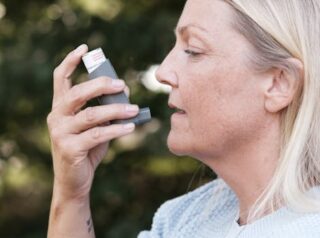
Imagine taking a deep breath after your regular day-and realizing something feels off. Your breath isn’t as full, and you’re left wondering why. In the world of respiratory health, RSBI or the Rapid Shallow Breathing Index, is an important measure that can give insights into certain respiratory conditions. For those concerned about their breathing patterns, understanding RSBI can be quite useful.
How RSBI Defines Breathing Patterns
RSBI measures the breathing rate divided by the tidal volume (amount of air moved in or out of the lungs with each breath) and helps assess whether a patient is ready to be weaned from mechanical ventilation. High RSBI values may suggest difficulty with breathing, while lower values indicate readiness for weaning.
Understanding this index is particularly important for those dealing with respiratory issues or are on mechanical ventilation. The nuances of breathing rates, such as RSBI, can directly affect everyday activities, from jogging in a park to simply climbing stairs.
When to Seek Care
It can be challenging to discern when breathing difficulties or abnormal patterns require professional assessment. If you notice persistent shortness of breath, increased frequency of breath, or difficulty with activities that once seemed routine, it may be time to consult a healthcare professional. Pulmonologists specialize in diagnosing and managing respiratory conditions and can provide guidance on when intervention is necessary.
Medications and RSBI: Understanding Interactions
Medications may also affect RSBI values, as some treatments influence respiratory function. Those taking medication for respiratory conditions should be particularly attentive to any changes in their breathing patterns. Always consult your healthcare provider before making any changes to your medication routine, especially if it’s affecting your respiratory health.
If new medications are prescribed, it’s advisable to discuss with your doctor how they might interact with existing treatments or affect your RSBI. You might also ask if there’s a need to adjust the dosage or monitor for any side effects that could influence your respiratory function.
RSBI and Lifestyle: Small Things, Big Impact
Focusing on eliminating factors that worsen respiratory issues can lead to a better quality of life. Consider how lifestyle changes such as quitting smoking, practicing deep breathing exercises, or improving indoor air quality with air purifiers can support respiratory health. Nutrition also plays a part; while there’s no magic food to “cure” respiratory issues, maintaining a healthy diet can help support overall lung function.
If weight management is a concern, exploring safe and effective approaches to weight loss can contribute positively to respiratory function. For more guidance, refer to our article on safe and effective approaches to weight loss.
Incorporating regular exercise adapted to one’s ability can be advantageous, strengthening the respiratory muscles and improving overall stamina and endurance. Consulting with a healthcare professional about tailored exercise options can optimize these benefits without overstressing the lungs.
Understanding RSBI and recognizing when it’s time to seek care can significantly support respiratory health. For further reading on general health inquiries, you can visit Wikipedia for more comprehensive health resources.
- RSBI is useful in assessing readiness to wean from mechanical ventilation.
- Persistent shortness of breath or increased breathing rate should prompt a medical review.
- Lifestyle changes can positively impact respiratory health.
- RSBI links closely with meditative, rehabilitation, and lifestyle influences.
- Consult healthcare providers for personalized guidance on RSBI management.
Common Questions
When should I consider RSBI for my respiratory health?
If you’re facing prolonged difficulty in breathing or are currently on mechanical ventilation, RSBI can aid in assessing your respiratory function and readiness for changes in treatment.
What type of doctor should I see for breathing issues?
A pulmonologist specializes in respiratory health. General practitioners can also perform initial assessments and refer you to specialists if needed.
How can I incorporate lifestyle changes to improve my RSBI?
Incorporate regular, light exercise tailored to your capacity, maintain a balanced diet, avoid smoking, and ensure good air quality to support your lung function.
Will changing my medication affect my RSBI?
Some medications might impact your respiratory function. It’s essential to work closely with your doctor to manage any changes in your medication regime.
What daily habits can negatively affect my RSBI?
Smoking, poor diet, lack of exercise, and exposure to polluted environments can negatively impact RSBI. Making positive changes in these areas can support better respiratory health.
Other Articles You May Find of Interest...
- What a Weight Loss Clinic in Melbourne Can Do Before and After Your Surgery
- Cold Plunge or Sauna? What the Recovery Research Actually Shows
- How Personalized Weight Loss Programs Help Achieve Sustainable, Long-Term Results
- High-Fructose Foods to Limit and Lower-Sugar Alternatives
- Best High-Fiber Foods Chart for Better Digestive Health
- How Many Carbs Are in Turkey Bacon?
- 9 Healthiest Mushrooms to Eat