






More Vision & Eye Care Articles
Signs You Might Have Astigmatism: Key Indicators to Watch For
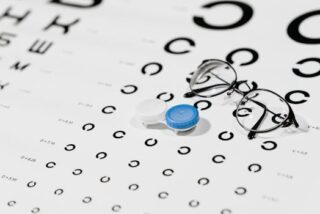
Astigmatism is a common eye condition that affects how the eye focuses light and results in blurred or distorted vision. If you’ve been wondering how to know if you have astigmatism, it’s essential to pay attention to various symptoms that might indicate its presence. Understanding these indicators can help you decide when to consult an eye care professional for a comprehensive evaluation.
How to Know If You Have Astigmatism
The first step in identifying astigmatism is to understand its symptoms. People with astigmatism often experience blurred vision at all distances. This blurriness can occur because the eye’s cornea or lens has an irregular shape, preventing light from focusing correctly on the retina.
Symptoms of Astigmatism
Apart from blurred vision, one of the key indicators of astigmatism is frequent headaches. Straining your eyes to see clearly can lead to tension and discomfort in the head. Some people might also experience eye strain or discomfort after prolonged periods of reading or using digital devices.
Another symptom is difficulty seeing at night. This may be particularly noticeable when driving, as astigmatism can cause halos or glare around lights. In some cases, individuals may squint to try and focus better, indicating a possible vision problem.
Recognizing Common Triggers
Certain activities can exacerbate astigmatism symptoms. These include spending excessive time on screens, reading in dim lighting, and not taking regular breaks during tasks that require focus. If you notice an increase in symptoms during these activities, it might be worth considering an eye check-up.
Diagnosis and Treatment Options
If you suspect you have astigmatism, a visit to an optometrist or ophthalmologist is necessary. They can conduct a comprehensive eye exam, including tests like the visual acuity test and the keratometry test. These tests help determine the presence and severity of astigmatism.
Once diagnosed, treatment options are available to manage the condition. Corrective lenses, such as glasses or contact lenses, are commonly used. For some individuals, refractive surgery may be an option to correct the irregular shape of the cornea.
For more information about maintaining eye health and addressing issues like astigmatism, consider reading about holistic approaches to health.
Living with Astigmatism
Managing astigmatism involves more than just corrective lenses. Regular eye exams are crucial to monitor changes in vision and adjust prescriptions as needed. Maintaining good eye hygiene by taking breaks from screens and using adequate lighting can reduce symptoms.
Understanding how lifestyle changes can impact your vision is essential. Wearing UV-blocking sunglasses outdoors and eating a balanced diet rich in eye-friendly nutrients like vitamins A, C, and E can support overall eye health.
For a comprehensive understanding of eye health and related conditions, you might find it useful to explore more detailed resources available online. Consider visiting Wikipedia’s astigmatism page for a broader perspective.
Emotional and Psychological Considerations
Astigmatism can impact more than just physical vision. It may also affect confidence, particularly in social or professional settings where clear vision is crucial. Being informed and proactive about treatment can alleviate such concerns and improve quality of life.
Final Thoughts on How to Know If You Have Astigmatism
Astigmatism is a manageable condition with proper diagnosis and treatment. Several signs can hint at its presence, from blurred vision to eye strain and headaches. If you’ve been pondering how to know if you have astigmatism, recognizing these symptoms and seeking professional advice is a wise step. By addressing astigmatism properly, you can maintain clear vision and prevent further complications.
- Astigmatism commonly causes blurred or distorted vision.
- Headaches and eye strain can be indirect symptoms.
- Professional diagnosis and treatment are essential.
- Lifestyle changes can alleviate symptoms.
- Proactive management can improve quality of life.
FAQs
What causes astigmatism?
Astigmatism is caused by an irregular curvature of the cornea or lens. It can be hereditary or develop over time.
Can astigmatism worsen over time?
Yes, astigmatism can change with age, but regular eye exams can help manage its progression effectively.
Is surgery a good option for astigmatism?
Refractive surgeries, like LASIK, are options for correcting astigmatism and may reduce the dependency on glasses or contacts.
How often should I have my eyes checked?
It is generally recommended to have eye exams every one to two years, but this can vary depending on your age and vision needs.
Can lifestyle changes reduce astigmatism symptoms?
Yes, taking breaks from screens, using proper lighting, and maintaining a healthy diet can help reduce symptoms of astigmatism.
Other Articles You May Find of Interest...
- The Hidden Causes and Solutions for Enoftalmos
- Navigating the Challenges of Traumatic Iritis and Its Impact on Eye Health
- Eyelid Papilloma: Causes, Symptoms, and Treatment Options Explained
- Is 20/40 Vision a Cause for Concern?
- Exploring the Significance of the Ora Serrata in Eye Health
- Relief for Eye Discomfort: How Artificial Tears Help Subconjunctival Hemorrhage
- Periorbital Ecchymosis: Causes, Symptoms, and Treatment Options for Raccoon Eyes



