






More Vision & Eye Care Articles
Recognizing the Signs of Eye Stroke Symptoms for Timely Intervention
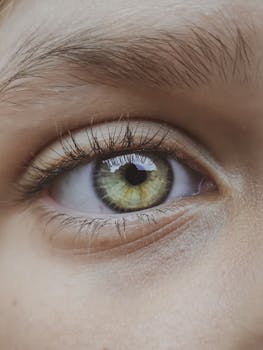
Eye stroke symptoms are important to recognize as they can lead to serious vision impairment if not addressed promptly. An eye stroke, or retinal artery occlusion, occurs when the blood flow to the retina is blocked. This condition requires immediate medical attention to minimize potential damage and preserve vision.
Understanding Eye Stroke Symptoms
The symptoms of an eye stroke can vary, but typically they include sudden changes in vision. This may manifest as a loss of vision in one eye or the appearance of a dark or shadowy area in your field of vision. Blurred or distorted vision and seeing floaters or flashes of light are also common indicators.
It is essential to familiarize yourself with these symptoms to ensure timely intervention. If you experience these issues, seek medical care immediately as rapid treatment can significantly improve outcomes.
What Causes Eye Strokes?
Eye strokes can be caused by various factors, including high blood pressure, diabetes, and carotid artery disease. Conditions that affect blood circulation increase the risk of retinal artery occlusion. Additionally, a history of cardiovascular diseases can also heighten the risk of experiencing an eye stroke.
Leading a healthy lifestyle and managing chronic health conditions can help reduce the chances of this severe condition. Regular checkups with your healthcare provider are recommended to monitor and treat any underlying health issues.
Preventive Measures
Preventing eye strokes involves taking steps to safeguard your overall health. This includes maintaining a balanced diet, exercising regularly, and managing medical conditions like hypertension and diabetes effectively. Quitting smoking and reducing alcohol consumption can further lower risk.
It’s also beneficial to stay informed about the signs of health concerns that may impact your vision. For additional insights on managing brain health, you might find this article on vitamins for brain fog and memory helpful.
Diagnosis and Treatment
If an eye stroke is suspected, a healthcare professional will likely conduct a series of tests such as a physical examination of the eyes, checking blood flow in the retina, and possibly imaging tests. Blood tests may also be needed to assess any related health conditions.
Treatment for an eye stroke can involve measures to restore blood flow or prevent further damage. This could include medications that reduce pressure in the eye or procedures to remove blockages. The specific approach will depend on the case’s severity and underlying causes.
When to Seek Medical Help
Immediate medical attention is crucial if you notice any sudden changes in your vision, as these could be signs of an eye stroke. Acting quickly can prevent further deterioration and potentially restore vision.
Delaying treatment can lead to permanent vision loss, so never ignore the sudden onset of symptoms such as vision dimming or loss. It’s always better to err on the side of caution and have any potential symptoms assessed by a healthcare professional.
Conclusion
Understanding eye stroke symptoms is vital for early detection and treatment. By recognizing signs like sudden vision changes and seeking prompt medical help, you can take proactive steps to protect your vision. Always prioritize regular check-ups and maintain a healthy lifestyle to help mitigate the risks.
For comprehensive information on health topics, this external resource may provide further reading.
- Eye stroke symptoms include sudden vision changes in one eye.
- Risk factors include high blood pressure and diabetes.
- Timely intervention is crucial for preventing permanent damage.
- Preventive measures include a healthy lifestyle and regular checkups.
- Consult a healthcare provider for any sudden vision Issues.
What are the common symptoms of an eye stroke?
Common symptoms include sudden vision loss, blurred vision, and seeing floaters or flashes of light.
Can lifestyle changes reduce the risk of an eye stroke?
Yes, maintaining a healthy diet, regular exercise, and managing medical conditions effectively can lower the risk.
Is there a cure for eye strokes?
While not all vision loss from an eye stroke can be reversed, certain treatments can restore partial vision and reduce further damage.
Are eye strokes only related to older adults?
Eye strokes can affect individuals of any age, but the risk increases with age and certain health conditions.
How quickly should I seek medical attention if I suspect an eye stroke?
Immediate medical attention is essential at the first sign of symptoms to minimize the risk of permanent vision loss.
Other Articles You May Find of Interest...
- The Hidden Causes and Solutions for Enoftalmos
- Navigating the Challenges of Traumatic Iritis and Its Impact on Eye Health
- Eyelid Papilloma: Causes, Symptoms, and Treatment Options Explained
- Is 20/40 Vision a Cause for Concern?
- Exploring the Significance of the Ora Serrata in Eye Health
- Relief for Eye Discomfort: How Artificial Tears Help Subconjunctival Hemorrhage
- Periorbital Ecchymosis: Causes, Symptoms, and Treatment Options for Raccoon Eyes




