






More Vision & Eye Care Articles
Living with 20/400 Vision: Tips for Enhancing Your Daily Life
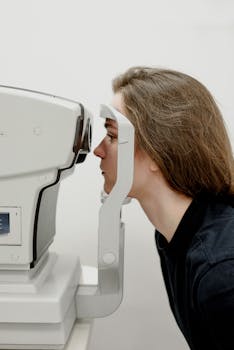
Living with 20/400 vision can present unique challenges in daily life. This level of visual impairment, often considered severe, makes it difficult to perceive details at both distant and near ranges without corrective lenses. However, there are numerous strategies and adaptations to enhance the quality of life for individuals with 20/400 vision.
Understanding 20/400 Vision
20/400 vision means that what a person with normal eyesight can see at 400 feet, you need to be as close as 20 feet to discern. This condition can significantly affect daily activities, from reading street signs to recognizing faces. Various causes, including genetic factors, eye diseases, or trauma, can lead to such impairment.
Daily Living Tips for People with 20/400 Vision
Adapting to life with 20/400 vision involves practical adjustments and resources. Here are some suggestions to make daily tasks more manageable.
Enhancing Home Environment
To improve home safety and comfort, consider the following adaptations:
- Use high-contrast colors to differentiate between similar items.
- Install bright, even lighting to reduce shadows and improve visibility.
- Label items with large print or tactile markers to facilitate recognition.
Assistive Devices and Technology
Technological advancements have made it possible to navigate the world with greater ease:
- Screen readers and magnification software can make digital devices accessible.
- Smartphones often feature built-in accessibility tools such as voice command and screen zooming.
- Wearable technology, like electronic glasses, is being developed to enhance visual perception.
Maintaining Independence with 20/400 Vision
Maintaining independence is essential for well-being:
- Seek professional rehabilitation services for personalized adaptation strategies.
- Join support groups to connect with others who understand your experience.
- Utilize public transportation services that provide support for visually impaired individuals.
Health Considerations
Having a comprehensive health plan is crucial for managing 20/400 vision and overall well-being:
- Regular eye exams help monitor changes in vision and eye health.
- Discuss with your eye care specialist about options for corrective surgeries or treatments if applicable.
- Consider how lifestyle choices, such as nutrition and exercise, impact your overall health and vision. For more information, read about lifestyle choices and overall health.
Support and Resources
Accessing resources can significantly improve the quality of life for those with 20/400 vision:
- Organizations like the American Foundation for the Blind offer valuable resources and support networks.
- Explore educational and vocational support programs designed to enhance skills and opportunities.
- Consider rehabilitation services that offer training in orientation and mobility.
For comprehensive information about visual impairment and resources, visit the health section on Wikipedia.
Moving Forward with 20/400 Vision
Living with 20/400 vision may require adjustments, but with the right strategies and support, individuals can lead fulfilling lives. Embracing technology, seeking professional guidance, and connecting with community resources are essential steps toward managing this condition effectively.
- 20/400 vision indicates a need for close proximity to see details.
- Home adaptations and technology can improve daily function.
- Support groups and professionals provide valuable assistance.
- Health management is crucial for maintaining vision and well-being.
- Resources and organizations offer further aid and information.
What vision-related services are available for individuals with 20/400 vision?
Services include rehabilitation programs, orientation and mobility training, and access to specialized technology. Professional eye care providers can offer personalized plans based on specific needs.
Can corrective lenses fully rectify 20/400 vision?
Corrective lenses may improve clarity but often do not fully restore normal vision. The extent of improvement depends on the underlying cause of the visual impairment.
How can technology assist people with 20/400 vision?
Technology, such as magnification software, screen readers, and wearable devices, can significantly enhance accessibility and independence. Many devices now come with built-in accessibility features.
Are there surgeries available for 20/400 vision?
Depending on the cause, there may be surgical options to reduce the severity of visual impairment. It’s important to consult with an ophthalmologist to evaluate suitability and risks.
What lifestyle changes can support better vision health?
Maintaining a balanced diet, regular exercise, and avoiding smoking are beneficial for eye health. Consistent medical check-ups ensure early detection and management of potential issues.
Other Articles You May Find of Interest...
- Living with 20/400 Vision: Tips for Enhancing Your Daily Life
- Choosing the Best Ophthalmologist in Cape Coral for Cataracts: Top Eye Surgeon Tips
- Effective Solutions for Treating Scratched Eyes with Eye Drops
- Quick and Effective Ways to Eliminate a Stye Fast
- What Do Dilated Pupils Indicate About Your Health?
- When Cataracts Start Affecting Your Vision, It May Be Time to Consider Surgery
- Living with Quadrantanopia: Strategies for Daily Life and Vision Management




