






More Vision & Eye Care Articles
Is Your Vision at Risk? Discover the Importance of the AMD Eye Test
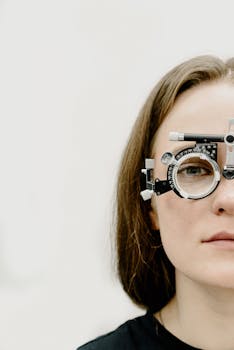
As we age, taking steps to maintain our vision becomes increasingly important. One crucial tool in assessing eye health is the AMD eye test. This test is designed to detect early signs of Age-related Macular Degeneration (AMD), a common eye condition among older adults. Understanding the significance of this test can help you take proactive steps in preserving your vision.
The Importance of the AMD Eye Test
Age-related Macular Degeneration is a leading cause of vision loss in the elderly. It affects the macula, a part of the retina responsible for clear central vision. The AMD eye test plays a vital role in identifying the presence of this condition at an early stage. Early detection can lead to interventions that may slow the progression of the disease and help maintain eye health.
What Happens During an AMD Eye Test
The AMD eye test typically involves a series of examinations, including a visual acuity test, dilated eye exam, and imaging tests. During a visual acuity test, your ability to see at various distances is assessed. A dilated eye exam involves the widening of your pupils to allow for a comprehensive check of the retina and optic nerve. Imaging tests may include optical coherence tomography (OCT), which produces detailed images of the retina.
Understanding the Results
Results from an AMD eye test will help determine the presence of drusen – tiny yellow deposits under the retina that indicate the early stages of AMD. The presence of these deposits does not always mean vision loss, but they are early indicators of the condition. Specialists use these results to recommend lifestyle changes or treatments.
Ways to Support Eye Health
In addition to regular AMD eye tests, supporting your eye health through lifestyle changes can be beneficial. Eating a diet rich in leafy greens and fish, protecting your eyes from harmful UV rays, and avoiding smoking are some practices that may help. Additionally, some vitamins and supplements may support overall eye health, such as those high in omega-3 fatty acids, zinc, and antioxidants.
Consulting with Eye Care Professionals
Regular appointments with an eye care professional can provide guidance tailored to your vision needs. They can offer advice on preventative measures, screenings, and treatments that support long-term eye health based on individual risk factors, including family history and lifestyle choices.
Technological Advances in AMD Detection
With advances in technology, new tools and tests for AMD are continually being developed. These innovations provide more accurate assessments and better imaging capabilities. Staying informed about these developments can empower patients to engage proactively with their eye health care.
Focus on Supplementary Care
Supplementary care, including nutritional supplements, may offer supportive benefits for individuals with AMD. While no supplement can cure AMD, certain nutrients, such as vitamins C and E, lutein, and zeaxanthin, are being studied for their potential in supporting eye health.
For more information on eye health and visual impairments, you can refer to resources provided by the Wikipedia page on Health.
Being vigilant about your eye health and taking AMD seriously can make all the difference in preserving your vision. Whether it’s through regular testing or lifestyle changes, maintaining clarity of sight improves quality of life.
- Regular AMD eye tests can identify early signs of macular degeneration.
- A healthy lifestyle can support overall eye health.
- Technological advances continue to enhance AMD detection.
- Supplements may support eye health but should be discussed with a healthcare professional.
- Consult regular eye care professionals to ensure personalized guidance.
What is an AMD eye test?
An AMD eye test is a series of examinations designed to detect Age-related Macular Degeneration, a leading cause of vision loss involving damage to the macula, a part of the retina.
How often should I get an AMD eye test?
It is generally recommended to have an AMD eye test annually, especially if you are over the age of 50 or have risk factors such as a family history of the condition.
Can lifestyle changes affect AMD?
Yes, incorporating a healthy diet, protecting your eyes from UV exposure, and avoiding smoking can help support eye health and may slow the progression of AMD.
Are there treatments available for AMD?
While there is no cure for AMD, treatments like medications, vitamins, and lifestyle changes can help manage symptoms and slow progression. Always consult an eye care professional for advice tailored to your condition.
What technological advancements aid in AMD detection?
Technological advancements such as optical coherence tomography (OCT) offer detailed imaging of the retina, aiding in the early detection and monitoring of AMD. These technologies continue to evolve, offering improved diagnostic capabilities.
Other Articles You May Find of Interest...
- Eyelid Papilloma: Causes, Symptoms, and Treatment Options Explained
- Is 20/40 Vision a Cause for Concern?
- Exploring the Significance of the Ora Serrata in Eye Health
- Relief for Eye Discomfort: How Artificial Tears Help Subconjunctival Hemorrhage
- Periorbital Ecchymosis: Causes, Symptoms, and Treatment Options for Raccoon Eyes
- Effective Remedies for Clearing Eye Mucus and Improving Eye Health
- Laser Cataract Surgery In Austin: What The New Technology Really Means For You



