






More Vision & Eye Care Articles
Is Glaucoma Affecting Your Vision? Discover the Facts
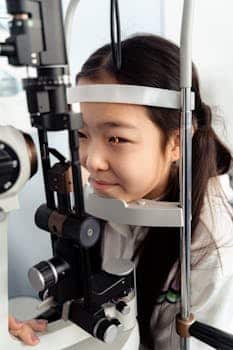
Glaucoma is a group of eye conditions that can lead to vision loss and even blindness if not treated. If you are wondering whether glaucoma vision changes are affecting you or a loved one, it’s important to understand what glaucoma is and what symptoms to look out for. This eye condition primarily damages the optic nerve, which is vital for good vision. Many people may not notice symptoms at first, making regular eye exams crucial for early detection.
Understanding Glaucoma Vision: A Closer Look
When discussing glaucoma, a common question is: glaucoma, what is it? Simply put, glaucoma is often linked to an increase in intraocular pressure (pressure within the eye). Over time, this pressure can cause damage to the optic nerve, leading to potential vision loss. There are primarily two types of glaucoma: open-angle and angle-closure, each affecting the eye differently and requiring different treatments.
In open-angle glaucoma, the drainage angle formed by the cornea and iris remains open, but the trabecular meshwork is partially blocked, causing pressure to gradually increase. Conversely, angle-closure glaucoma occurs when the iris bulges forward to narrow or block the drainage angle, resulting in a rapid rise in eye pressure.
Symptoms and Diagnosis
One of the tricky aspects of glaucoma is that it often presents little to no symptoms in the early stages. This is why it’s often referred to as the “sneak thief of sight.” As the condition progresses, individuals may notice blind spots in their peripheral or central vision, often in both eyes. Angle-closure glaucoma, however, can present more suddenly, with symptoms like eye pain, nausea, blurred vision, and seeing halos around lights.
Diagnosing glaucoma typically involves a comprehensive eye exam. An optometrist or ophthalmologist may conduct several tests, including tonometry to measure eye pressure, pachymetry to measure corneal thickness, and visual field tests to check peripheral vision.
Treatment Options for Glaucoma
Treatment aims to lower intraocular pressure to prevent further optic nerve damage. Common methods include prescription eye drops, oral medications, laser treatment, and surgery. Eye drops are often the first step, working to reduce fluid production or increase drainage. In certain cases, laser therapy is used to open clogged channels or create alternative pathways for fluid drainage.
Surgical options may be recommended if other treatments are ineffective. These procedures can include trabeculectomy, where part of the eye’s drainage system is removed to lower pressure, or the insertion of a drainage device. It’s essential to discuss the best treatment path with a healthcare provider, as individual needs vary.
Can Supplements Support Eye Health?
In addition to prescribed treatments, some individuals explore nutritional supplements to support their eye health. While these supplements cannot cure glaucoma, certain nutrients may support overall vision health. Antioxidant vitamins, omega-3 fatty acids, and minerals can contribute to eye health as you age.
It’s important to approach supplements with informed caution and to consult with a healthcare professional before starting new ones. For more information on how supplements can support cognitive function and potentially benefit your eye health, visit this article on supplements that support cognitive function as you age.
Regular Eye Exams: A Vital Defense
Given glaucoma’s subtle nature in its early stages, regular comprehensive eye exams are crucial for early detection and management. Adults over 40, especially those with a family history of the condition, should consider regular screenings. Early diagnosis and consistent monitoring can prevent significant vision loss.
According to the World Health Organization, maintaining overall health through regular check-ups, a balanced diet, and eye protection can help manage or reduce the risk of glaucoma.
In conclusion, if you’re worried about glaucoma vision changes, understanding what this condition entails and the available treatments is crucial. Proactive care, including regular eye check-ups and a healthy lifestyle, plays a significant role in protecting your vision.
- Glaucoma is a leading cause of vision loss and blindness if untreated.
- Early stages often show no symptoms, highlighting the importance of regular eye checks.
- Treatment options include medications, laser treatments, and surgery.
- Nutritional supplements may support overall eye health.
- Consult healthcare professionals regularly to manage eye health effectively.
What is glaucoma?
Glaucoma is a group of eye conditions that harm the optic nerve due to increased eye pressure. Without treatment, it can lead to vision loss or blindness.
How does glaucoma affect vision?
Glaucoma typically affects peripheral vision first, causing blind spots. If untreated, it can progress to affect central vision, eventually leading to blindness.
Who is at risk for glaucoma?
Those at higher risk for glaucoma include individuals over 40, those with a family history of the condition, African Americans, Hispanics, and people with high intraocular pressure or certain medical conditions like diabetes.
Can glaucoma be prevented?
While glaucoma itself cannot be prevented, early detection and management through regular eye exams can significantly reduce the risk of severe vision loss.
Is there a cure for glaucoma?
There is no cure for glaucoma, but it can be managed with treatment to control eye pressure and prevent further vision loss.
Other Articles You May Find of Interest...
- The 20-20-20 Rule Works: Building a Family Eye Care Routine That Sticks
- What Are the Causes and Treatments for Retinoschisis?
- What You Need to Know About Ocular Shingles Symptoms and Treatment
- What Are Synechiae of the Eye and How Do They Affect Vision?
- Causes and Solutions for Fuzzy Blurred Vision in One Eye
- Could Your Blurry Vision Be Linked to Headaches?
- What Does a Yellowish Sclera Mean for Your Eye Health?




