






More Vision & Eye Care Articles
Is 20/30 Vision Considered Good for Your Eye Health?
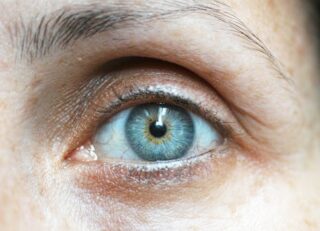
When it comes to understanding vision and how it is measured, many people often ask, “Is 20/30 vision good?” Vision is an essential aspect of our overall health, and knowing what constitutes good vision can be important for managing eye health effectively. Let’s explore the meaning behind 20/30 vision, how it compares to the standard 20/20 vision, and what it indicates about your eye health.
What Does 20/30 Vision Mean?
The term 20/30 vision is a part of the Snellen chart measurement system commonly used in eye exams. The first number (20) refers to the distance in feet you stand from the chart. The second number (30) indicates the distance a person with normal vision can read the same line. So, if you have 20/30 vision, you can read at 20 feet what someone with typical vision can read at 30 feet.
Is 20/30 Vision Good?
So, is 20/30 vision good? Generally, 20/30 vision is considered mildly below average, but it is often not significant enough to require corrective lenses for most daily activities. It may mean that you might experience difficulty with tasks requiring sharp vision, like reading small print or seeing distant road signs clearly. However, many people with 20/30 vision function well without glasses or contact lenses.
Comparing 20/30 Vision and 20/20 Vision
While 20/20 vision is often regarded as “perfect” or “normal” vision, it’s not necessarily the ideal standard for everyone. People’s vision needs can vary depending on their professions, activities, and lifestyles. For example, pilots and surgeons might require sharper vision than the average person. On the other hand, minor differences like 20/30 vision usually don’t pose major daily challenges for most individuals.
Factors Affecting Visual Acuity
Visual acuity isn’t solely about how clearly you can see. Several factors can affect vision clarity, including:
- Refractive errors: Conditions like myopia (nearsightedness), hyperopia (farsightedness), and astigmatism can affect visual acuity.
- Eye health: Diseases like glaucoma and cataracts or conditions such as dry eye syndrome can diminish clarity.
- Lifestyle: Activities that strain your eyes, such as prolonged screen time, inadequate lighting, or lack of sleep, may affect your vision quality over time.
If you are experiencing noticeable vision changes, it’s essential to schedule a comprehensive eye exam. Early detection can help manage these issues effectively.
Maintaining Healthy Vision
Good eye health is a combination of genetics, lifestyle choices, and nutrition. Here are a few ways to support your vision health:
- Regular Eye Exams: Ensure you have regular check-ups with an optometrist or ophthalmologist to detect any changes early.
- Healthy Diet: Foods rich in omega-3 fatty acids, vitamins C and E, and zinc may support eye health. Consider consuming more leafy greens, fatty fish, and nuts.
- Protective Eyewear: Whether you are working in an environment with potential eye hazards or spending time in the sun, always use appropriate protective eyewear.
- Balanced Lifestyle: Engaging in physical activities can contribute to overall health, including promoting better circulation and reduced stress, which in turn supports eye health.
- Avoid Smoking: Smoking can increase the risk of developing age-related eye diseases and other health issues.
You can also adopt small daily changes to stay active and support your overall wellness. For more tips, explore small steps to a more active lifestyle.
Resources and Further Reading
If you want to learn more about vision measurement and eye health, consider visiting educational resources such as the Wikipedia page on eye examination. Understanding how these tests work can give you better insights into your own vision and health.
Conclusion: Is 20/30 Vision Good for You?
Ultimately, whether 20/30 vision is good for you depends on your specific needs and lifestyle. While it is slightly below the 20/20 standard, it often is not a cause for concern. Regular eye exams and maintaining a healthy lifestyle are crucial steps in taking care of your eyes. If you have specific concerns about your vision, consult a healthcare provider to determine the best course of action.
- 20/30 vision means reading at 20 feet what “normal” vision can see at 30 feet.
- It is slightly below 20/20 but often not problematic for most daily activities.
- Factors like refractive errors and eye health can influence vision quality.
- Regular eye care and a healthy lifestyle can support good vision.
- Consult a healthcare provider if you have any concerns about your eye health.
FAQs
What is considered normal vision?
Normal vision is often referred to as 20/20 vision, meaning you can see clearly at 20 feet what should be seen at that distance.
Can 20/30 vision be improved?
Yes, through corrective lenses or surgeries, it is possible to improve 20/30 vision. Consult an eye care professional for personalized advice.
Do I need glasses if I have 20/30 vision?
Not necessarily. Whether you need glasses depends on your visual needs and any difficulties you experience in daily activities.
What causes vision to worsen?
Vision can worsen due to refractive errors, eye diseases, lifestyle factors, and age. Regular eye exams can help manage and address these issues.
How often should I have my eyes checked?
Adults should generally have an eye exam every 1-2 years, or more frequently if recommended by a healthcare provider based on personal health circumstances.
Other Articles You May Find of Interest...
- Is 20/30 Vision Considered Good for Your Eye Health?
- Is Your Eyelid Drooping? Discover the Causes and Treatments for Ptosis Eye
- What Causes Eye Burning and How to Find Relief
- Effective Solutions for Relieving Teary Eyes with Eye Drops
- What Causes Swollen Eyelids and How to Treat Them?
- Is Glaucoma Affecting Your Vision? Discover the Facts
- Why Are Your Eyes Flickering and Causing Headaches?




