






More Vision & Eye Care Articles
Exploring the Impact of Peripapillary Atrophy on Eye Health
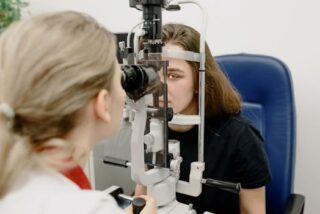
Peripapillary atrophy is a condition affecting the area around the optic disc in the eye. This area, known as the peripapillary region, can exhibit degenerative changes that may impact vision. Understanding peripapillary atrophy is crucial for those affected, as it plays a significant role in eye health.
Understanding Peripapillary Atrophy
Peripapillary atrophy (PPA) is characterized by changes in the tissue surrounding the optic nerve head. These changes can manifest as thinning or loss of retinal pigment epithelium cells. PPA is often observed during routine eye examinations, and its presence may be associated with conditions like glaucoma and myopia.
The condition is typically classified into two zones: the alpha and beta zones. The alpha zone shows irregularities and pigment changes, while the beta zone is associated with more severe retinal thinning, often closer to the optic nerve head. Identifying the type and extent of peripapillary atrophy is essential for proper eye health management.
For more insights on how lifestyle choices can impact overall health, visit this article.
Potential Impacts of Peripapillary Atrophy on Vision
Peripapillary atrophy itself does not usually cause symptoms; however, it can indicate underlying eye conditions. PPA is frequently found in people with glaucoma, where pressure damage can lead to optic nerve degradation. Monitoring changes in PPA can help eye care specialists assess glaucoma progression.
Additionally, high myopia, or nearsightedness, often correlates with peripapillary atrophy. The structural alterations in the eye can stretch and thin retinal tissues, increasing the risk of more severe complications like retinal detachment.
Diagnosis and Monitoring of Peripapillary Atrophy
Diagnosis of peripapillary atrophy generally occurs during comprehensive eye examinations. Ophthalmologists utilize imaging technologies such as optical coherence tomography (OCT) to visualize the retina and detect any atrophic areas around the optic nerve.
Regular eye exams are crucial for individuals with PPA, especially if they have other risk factors for eye disease. Consistent monitoring allows for timely interventions should significant changes occur in the condition of the retina.
Management and Treatment Approaches
Currently, there is no direct treatment for peripapillary atrophy itself. Management focuses on addressing any underlying conditions contributing to its progression. In cases where PPA is linked to glaucoma, treatments may include medications, laser therapy, or surgery to manage intraocular pressure.
For myopic patients, controlling the progression of nearsightedness through corrective lenses or refractive surgery can help mitigate further changes around the optic disc. A comprehensive approach to eye care, involving regular check-ups and multidisciplinary interventions, is key to managing peripapillary atrophy effectively.
Role of Lifestyle Choices in Eye Health
Lifestyle choices can significantly influence eye health and the progression of conditions like peripapillary atrophy. For instance, maintaining a diet rich in antioxidants, such as leafy vegetables and fish, may support overall eye health. Regular exercise and avoiding smoking can also prevent or slow the progression of diseases that may aggravate PPA.
These lifestyle adjustments can complement medical treatments, providing a holistic approach to eye care. To learn more about the impact of lifestyle choices on health, you can explore topics related to health.
Understanding and managing peripapillary atrophy is vital for preserving vision and preventing further eye complications. By staying informed and proactive in eye care, individuals can effectively address the challenges posed by this condition.
Takeaways
- Peripapillary atrophy involves changes in the tissue surrounding the optic nerve.
- It is often associated with glaucoma and high myopia.
- Regular eye examinations are crucial for detecting and monitoring PPA.
- Lifestyle choices can support eye health and complement medical treatments.
- Proactive management can mitigate the progression of eye conditions linked to PPA.
FAQ
What is peripapillary atrophy?
Peripapillary atrophy refers to degenerative changes around the optic nerve head, characterized by the thinning of retinal tissues. It often accompanies eye conditions such as glaucoma and myopia.
How is peripapillary atrophy diagnosed?
PPA is typically diagnosed during an eye examination using imaging techniques like optical coherence tomography (OCT). These tools allow for a detailed view of the retina and optic nerve area.
Can lifestyle changes help with peripapillary atrophy?
While they cannot cure PPA, lifestyle changes may support overall eye health. A balanced diet, regular exercise, and avoiding smoking can help manage the underlying conditions associated with PPA.
What is the relationship between PPA and glaucoma?
PPA is often seen in individuals with glaucoma, as the condition may indicate changes due to elevated intraocular pressure. Monitoring PPA can aid in assessing glaucoma progression and treatment efficacy.
Is there a treatment for peripapillary atrophy?
There is no direct treatment for PPA. Management focuses on treating associated conditions like glaucoma or high myopia to prevent further retinal changes. Regular eye exams are essential for ongoing care.
Other Articles You May Find of Interest...
- Exploring the Impact of Peripapillary Atrophy on Eye Health
- Comprehensive Eye Care Services: Protecting Vision and Enhancing Visual Health
- What Causes Right Eye Twitching in Women and How to Alleviate It?
- About Cataract Lenses: Choosing the Right Lens for Clear Vision
- How Fundus Cameras Improve Patient Care and Workflow in Modern Optometry
- How Polytrim Eye Drops Can Help Treat Your Eye Infections
- Is Pseudostrabismus Affecting Your Eye Health?




