






More Vision & Eye Care Articles
Essential Self-Care Tips for Managing Subconjunctival Hemorrhage
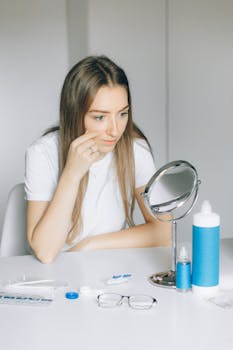
Imagine waking up one morning, looking in the mirror, and noticing a bright red patch in the white of your eye. You might start worrying about what could be wrong. This eye condition, known as a subconjunctival hemorrhage, often looks alarming but is usually harmless. Understanding subconjunctival hemorrhage self-care can help manage this condition effectively from home.
Essential Subconjunctival Hemorrhage Self-Care Tips
A subconjunctival hemorrhage occurs when tiny blood vessels break beneath the conjunctiva, the clear surface of your eye, resulting in a noticeable red spot. Surprisingly, it often causes no pain and doesn’t affect vision, making it easy to manage at home in many cases. While it can be startling, basic care and patience allow the redness to resolve typically within a week or two.
Rest and Protect Your Eyes
Providing your eye with the rest it needs is crucial. Avoid straining from activities such as prolonged screen time or reading small print, as this can exacerbate discomfort. Additionally, using eyeglasses instead of contact lenses before the hemorrhage clears can prevent irritation.
Use of Lubricating Eye Drops
Over-the-counter artificial tears can keep the eyes feeling more comfortable. These drops will not speed up the healing of the hemorrhage itself, but they might alleviate dryness and provide relief. If irritation persists, ensure you’re applying the drops several times a day as needed.
Addressing Underlying Causes
High blood pressure, coughing, and even heavy lifting can lead to episodes. Monitoring blood pressure and discussing ways to manage it with your healthcare provider can help reduce future risks. Additionally, following appropriate lifting techniques can prevent strain on blood vessels.
When to Seek Care
While most cases don’t require medical intervention, there are specific times when it’s important to consult with a healthcare provider. If you experience pain, changes in vision, or recurrent episodes, schedule a visit with an optometrist or ophthalmologist. These specialists can evaluate whether an underlying condition needs addressing. Also, seek medical attention if you notice any blood leaking from the eye or if it accompanied any recent trauma.
Impact on Daily Life
Though not typically symptomatic, a subconjunctival hemorrhage can affect self-confidence and interaction. While waiting for the redness to dissipate, using sunglasses or light makeup might help reduce self-consciousness during social interactions.
Maintaining Overall Eye Health
Adopting healthy lifestyle choices can support eye health, reducing the likelihood and severity of future episodes. For more on how lifestyle changes can impact health, visit our article on how lifestyle choices impact our overall health.
Day-to-Day Medication Considerations
For individuals taking blood-thinning medication, the risk of subconjunctival hemorrhage may be higher. Do not stop taking prescribed medications without consulting your healthcare provider, even if you believe they might be contributing to the condition. Adjustments in medication should always be done under medical supervision.
Address any medications you’re taking during your next healthcare visit. Your provider can assess whether the potential for exacerbating a hemorrhage warrants a change in prescription.
Common Questions
How often do subconjunctival hemorrhages occur?
They are relatively common and can happen after a minor injury or spontaneous blood vessel rupture, often without an identifiable cause. Individuals who experience frequent episodes should consult a healthcare professional.
Do I need to stop blood-thinning medications?
A sudden change in medication should never be made without professional advice. Discuss with your healthcare provider if concerns about interactions arise.
What is the usual healing time for a subconjunctival hemorrhage?
The bright red patch generally resolves without treatment within one to two weeks. However, healing times can vary based on individual health factors.
Can I continue to wear contact lenses?
It’s advisable to switch to eyeglasses until the redness fades to prevent further irritation. Once healed, you can switch back to contacts unless advised otherwise by a doctor.
Is subconjunctival hemorrhage related to any serious conditions?
While generally benign, recurring cases may indicate the need for a more thorough examination to rule out underlying issues such as hypertension or blood disorders.
- Subconjunctival hemorrhages usually look worse than they are and often resolve without treatment.
- Resting your eyes and using lubricating drops can help with discomfort.
- See a healthcare provider if accompanied by pain, vision changes, or frequent recurrences.
- Maintain regular check-ups to manage underlying health conditions that may contribute to episodes.
- Adopt a healthy lifestyle to support overall eye health and prevent future instances.
Effective subconjunctival hemorrhage self-care includes practical steps that provide comfort and support healing. Remember, while often harmless, any persistent symptoms or concerns should be evaluated by a healthcare professional to ensure there are no underlying issues.
For more detailed information about eye conditions and their management, visit MedlinePlus.
Other Articles You May Find of Interest...
- Smart Glasses With Prescription Lenses: Fit, Comfort and Everyday Use
- Can Blepharoplasty Improve Peripheral Vision? What Patients Should Know
- What Causes Blood Clots in the Eye?
- Can You Have Laser Eye Surgery With Glaucoma?
- Why Are Contact Lens Users Asked to Stop Wearing Lenses before Laser Eye Surgery Tests?
- What Credentials to Look for When Searching for the Right Eye Doctor in New York
- New Flashes, Floaters, or a Shadow in Your Vision: When to Seek Prompt Eye Care




