






More Vision & Eye Care Articles
Essential Insights on Glaucoma Drops and Antiglaucoma Drugs for Better Eye Health
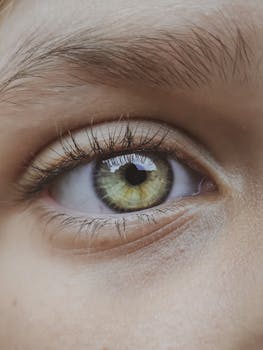
Glaucoma drops play a critical role in the management of glaucoma, a group of eye conditions that damage the optic nerve and can lead to vision loss. These medicated eye drops are usually the first line of defense prescribed by ophthalmologists to help reduce intraocular pressure, a primary risk factor for glaucoma.
Understanding Glaucoma Drops
Glaucoma drops are formulated to either decrease the amount of fluid produced in the eye or to improve the outflow of this fluid, thereby lowering the pressure in the eye. It is essential to use these medications as directed to maintain eye pressure at safe levels and prevent further damage to the optic nerve.
Types of Antiglaucoma Drugs
Several types of antiglaucoma drugs are available, each working through a different mechanism and thus suitable for different forms of the condition. Understanding these differences can help determine which type is the most beneficial for your specific needs.
- Prostaglandin analogs: These are commonly used because they effectively enhance the outflow of eye fluid, reducing pressure.
- Beta-blockers: These drugs work by reducing the production of fluid in the eye, thus lowering the pressure.
- Alpha agonists: These drops decrease the rate of fluid production and can also improve the drainage of fluid.
- Carbonic anhydrase inhibitors: These drugs help to reduce fluid production and are often used along with other drops.
- Rho kinase inhibitors: A newer class of medications that increases fluid drainage.
Side Effects and Considerations
While glaucoma drops are effective, they may come with side effects that vary based on the type of medication. Common side effects include eye irritation, redness, blurred vision, or changes in eye color and eyelash growth. Patients should report any adverse effects to their healthcare provider to manage them appropriately.
Balancing Traditional and Holistic Approaches
Incorporating safe and evidence-based holistic practices along with traditional treatments may support better overall eye health. For those interested in a broader perspective on integrating holistic medicine with traditional treatments, explore an evidence-based look at holistic medicine vs. traditional medicine.
Emerging Treatments in Glaucoma Management
Advancements in medical research have led to the development of new therapies that may become part of the standard treatment regime for glaucoma. These innovations aim to improve patient outcomes and enhance the quality of life.
Research is ongoing into sustained-release drug delivery systems, which could potentially lessen the burden of daily eye drops by providing long-term medication through implants or injections. Additionally, gene therapy and neuroprotection are areas of significant interest, as they may offer novel ways to protect the optic nerve aside from lowering intraocular pressure.
Consultation and Adherence
It is crucial for patients to maintain open communication with their healthcare providers regarding the effectiveness and side effects of glaucoma drops. Patient adherence to prescribed treatment regimens is vital in managing intraocular pressure and preventing vision loss.
Resource for Further Information
For a more detailed overview of glaucoma and its management, consider exploring external resources like the information available on Wikipedia, which provides a comprehensive look at the disease.
In summary, glaucoma drops remain a pillar in the management of glaucoma. Used in combination with regular medical check-ups and adherence to prescribed therapy, they help preserve eye health and prevent significant vision impairment.
- Glaucoma drops are critical in reducing eye pressure and preventing nerve damage.
- Different types of antiglaucoma drugs have various mechanisms and effects.
- Patients may experience side effects and should report them to their doctor.
- New treatments are being explored to enhance glaucoma management.
- Consult a healthcare provider for personalized treatment plans.
What are the side effects of glaucoma drops?
Common side effects include eye irritation, redness, blurred vision, and possible changes in eye color or eyelash growth.
How often do I need to use glaucoma drops?
Frequency varies based on the specific medication prescribed, but most require daily use. Follow your doctor’s instructions carefully.
Can glaucoma drops cure glaucoma?
No, glaucoma drops cannot cure glaucoma but are essential in managing intraocular pressure and preventing vision loss.
Are there any natural alternatives to glaucoma drops?
While no natural alternatives can replace prescription drops, a balance of traditional and holistic approaches can support eye health. Always consult with a healthcare provider first.
What happens if I miss a dose of my glaucoma drops?
If you miss a dose, take it as soon as you remember. If it’s near the time of your next dose, skip the missed dose and resume your regular schedule. Do not double dose.
Other Articles You May Find of Interest...
- How to Manage and Treat Cross Eye Symptoms Effectively?
- Unlocking the Mysteries of Ou Eye Meaning: Insights and Interpretations
- Effective Over the Counter Remedies for Styes You Should Try
- What Does an Anicteric Sclera Indicate About Your Health?
- Exploring Life After Aphakia: Tips for a Healthier Vision
- Tobramycin and Dexamethasone Ophthalmic Suspension: What Benefits Does It Offer for Eye Health?
- How Long Does Eye Dilation Last After an Exam?



