More Vascular Health Articles
How the Cardiomems Device Transforms Heart Failure Management
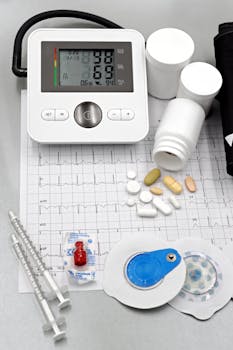
Jane, a 68-year-old with a history of heart failure, was tired of the frequent hospital visits and alarming weight fluctuations. Her doctor introduced her to the CardioMEMS device, a small implant that could remotely monitor her heart’s pressure and give her more control over her health. Unlike typical heart failure treatments, the CardioMEMS device allows for proactive management by transmitting critical health data directly to healthcare providers. This technology represents a significant shift in managing chronic heart failure, enabling timely interventions and more personalized care.
The CardioMEMS Device Revolutionizes Monitoring
Heart failure affects millions worldwide, often leading to hospital readmissions due to fluid buildup and the subsequent strain on the heart. Traditional management methods often rely on symptom reporting and manual monitoring, which might be too late. The CardioMEMS device addresses this by continuously monitoring the patient’s pulmonary artery pressure. It transmits real-time data to the healthcare provider, allowing for immediate adjustments to treatment plans.
The device itself is a small sensor placed via a non-surgical procedure in the pulmonary artery. Regular readings can prevent heart failure-related hospital visits, potentially improving patient quality of life significantly. This proactive approach helps in identifying potential issues before they become serious health threats.
Everyday Impact of Using the Device
For many patients, engaging with the CardioMEMS device means fewer hospital visits and more peace of mind. Imagine waking up each morning and instead of checking in with your doctor in person, your data is seamlessly shared directly with the medical team overseeing your care. This ease of sharing vital health information transforms what once was a daunting task into an everyday convenience.
In addition to minimizing physical appointments, patients often experience a relief in the mental burden associated with their condition. Such technology moves heart failure management from reactive to proactive, empowering patients with more relevant information tailored to their individual needs.
When to Seek Care
While the CardioMEMS device provides critical ongoing monitoring, there are times when direct care becomes essential. You should contact your healthcare provider if your symptoms of heart failure worsen, such as increased shortness of breath, swelling, or unexpected weight gain. These changes might indicate a need for treatment adjustments. Cardiology specialists, often in collaboration with primary care providers, can guide your care based on updates from the device.
Practical Medication and Management Questions
Patients using the CardioMEMS device often ask about medication adjustments and how the device fits into their existing heart failure management routine. Adjustments to medication, lifestyle, or diet might be recommended based on the data received from the device. However, the device itself does not replace medications; rather, it informs more nuanced decisions by healthcare professionals regarding treatment plans.
Discussing any potential changes with your cardiologist is crucial, especially before starting or stopping any medication. Engaging in regular conversations with your healthcare provider keeps management tailored and responsive to your evolving needs.
How Lifestyle Plays a Role
Managing heart failure incorporates more than just the latest tech solutions. Lifestyle choices, such as diet and exercise, continue to play a pivotal role. Understanding the importance of holistic management is essential. By visiting articles on how lifestyle choices impact our overall health, you can enhance your understanding of supporting your heart health comprehensively.
It’s important to note that lifestyle adjustments complement the functionality of the CardioMEMS device. When utilized together, they create a robust approach to heart care that could potentially mitigate the risk of adverse events.
External Resources
To learn more about heart failure and its management, consider visiting CDC’s heart failure page for additional insights and information.
- The CardioMEMS device enables remote heart monitoring.
- It can reduce hospital visits by providing continuous data.
- Timely data supports better treatment adjustment.
- Incorporating lifestyle changes is crucial for comprehensive care.
Common Questions
How does the CardioMEMS device impact daily life?
By providing real-time data, it allows for proactive management, reducing the need for frequent hospital visits and offering peace of mind.
What should I discuss with my doctor about this device?
Talk about how the CardioMEMS device fits into your overall treatment plan, any potential medication adjustments, and ongoing lifestyle recommendations.
When is the best time to seek medical attention apart from regular check-ups?
Seek attention if you experience worsening symptoms or any sudden changes that may indicate your current treatment requires adjustment.
Who manages the care provided through this device?
A cardiologist typically oversees your care, often helped by a primary care physician and other healthcare professionals as needed.
Can using the device influence my lifestyle choices?
Yes, the insights gained from the device can guide adjustments in diet, exercise, and other lifestyle choices for better health outcomes.
Incorporating advanced technology like the CardioMEMS device can transform the management of heart failure, allowing individuals like Jane to live more confidently, supported by real-time data that informs their care.
Other Articles You May Find of Interest...
- Livedo Racemosa vs. Livedo Reticularis: How the Patterns Differ
- Black or Purple Skin Discoloration: Bruise, Blood Flow, or Emergency?
- Should You Exercise With a DVT? Movement and Safety
- Blood Clots in Pictures: What to Look For
- Venous Reflux: What It Is, Why It Happens, and What to Do About It
- Exploring the Anatomy and Functions of the Frontal Section of the Head
- Exploring the Fascinating Functions of Human Body Organs