Your Health Magazine Contributor
4201 Northview Drive
Suite 102
Bowie, MD 20716
More Supplements Articles
How to Buy Supplements Online Safely: What to Check Before You Order
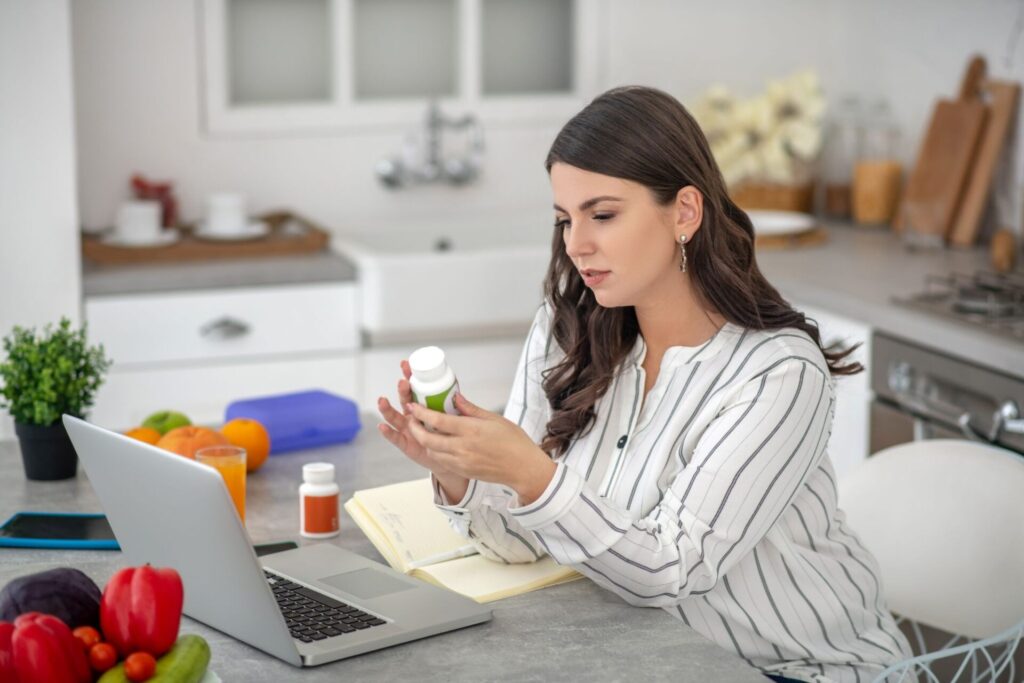
The online supplement market has exploded in recent years, and so has the risk of making a costly mistake. With thousands of products just a click away, it’s easier than ever to end up with something that doesn’t match its label, lacks proper testing, or simply isn’t worth your money. Before you add another bottle or pouch to your cart, it pays to know exactly what separates a trustworthy purchase from a risky one.
The Rise of Online Supplement Shopping
The supplement industry isn’t just growing—it’s shifting rapidly toward digital channels. According to recent data, US dietary supplement sales hit $72.88 billion in 2025, a 5.5% increase year over year. E-commerce already accounts for 24.3% of those sales and is growing faster than any other channel, with projections showing it will become the leading sales channel by 2028.
Social commerce is accelerating that shift. TikTok Shop generated an estimated $1 billion in supplement sales in 2025, and vitamins and supplements made up 13% of all TikTok Shop sales for the year ending January 2026—a 71% year-over-year jump, per NielsenIQ. Gummies, meanwhile, remain a popular supplement format, which helps explain the growth of products such as Spicy Cubes among shoppers who prefer gummies over pills or powders.
This boom in accessibility is a double-edged sword. A recent NHANES-based study published on PubMed found that supplement use among US adults rose from 51.8% in 2011–2012 to 61.4% in 2021–2023, with the share of adults taking four or more products nearly doubling from 10.0% to 16.2%. More people are buying more supplements than ever, often without the guidance of a healthcare provider standing between them and checkout.
Top Mistakes When Buying Supplements Online
Skipping Third-Party Testing and Certifications
One of the most common—and most costly—mistakes is assuming a product is safe simply because it’s for sale. The FDA does not approve dietary supplements before they reach the market, and it does not test them for safety or efficacy prior to sale, according to the FDA’s own guidance. That responsibility largely falls on consumers, which is exactly why third-party certifications matter. Consumer interest in these seals is rising fast: NBJ’s 2026 survey found that interest in certifications like Made in USA (48%), USDA Organic (35%), Non-GMO Project Verified (26%), certified gluten-free (18%), and USP Verified (17%) has more than doubled over the past year.
Not Checking Ingredient Lists
It’s tempting to buy based on a flashy product image or a bold headline claim, but skipping the ingredient list is a mistake that can cost you money or, worse, trigger an unwanted reaction. Pay close attention to proprietary blends in particular. The FDA requires companies to disclose the total weight of a proprietary blend, but not the individual amounts of each ingredient within it—so you may not know exactly how much of any single component you are actually consuming.
Ignoring Brand Reputation and Verified Reviews
A polished website doesn’t guarantee a reputable company. Before buying, look for verified customer reviews, not just testimonials posted directly on the brand’s own page. Search for the company name alongside terms like “reviews” or “complaints” on independent platforms to get a fuller picture.
Falling for Misleading Marketing Claims
Structure/function claims—like “supports immune health” or “boosts energy”—are common in supplement marketing, but they come with limits. The FDA requires companies to have scientific substantiation for these claims and mandates a disclaimer stating, “This statement has not been evaluated by the FDA and this product is not intended to diagnose, treat, cure, or prevent any disease.” If a product claims to cure or treat a specific disease, that’s a red flag: under FDA rules, such a claim legally makes it a drug, not a supplement.
Overlooking Expiration Dates and Storage Information
Supplements lose potency over time, and some ingredients can degrade or even become unsafe past their expiration date. Always check the date before purchasing, and pay attention to any listed storage instructions, such as keeping a product away from heat or moisture.
Buying From Unverified or Suspicious Websites
Before entering your payment details, check that the website uses HTTPS and displays a valid SSL certificate (usually shown as a padlock icon in your browser bar). Beyond that, look for a legitimate business address, a working customer service contact, and clear return or refund policies. Their absence is one of the clearest signs you should shop elsewhere.
How to Identify Quality Supplements
Transparent labeling is the foundation of a trustworthy supplement. Look for a full Supplement Facts panel that lists the amount per serving of each dietary ingredient, the name and address of the manufacturer or distributor, and any third-party testing certifications, when available.
Beyond the label, research how the brand manufactures its products. Dietary supplement manufacturers are subject to FDA current good manufacturing practice requirements, and applicable food-facility registration requirements may also apply. Look for brands that are transparent about where their ingredients are sourced and what dosages they recommend.
Product pages can provide useful information, but the information supplied by a seller should be considered alongside independent evidence where available. For example, the Spicy Cubes product page lists a Supplement Facts panel, seller identity, business contact information and purchasing policies. Those details can help shoppers understand what the seller is representing about the product, but they do not independently establish safety, effectiveness or product quality. Third-party testing information, when available, can provide additional context.
Red Flags to Avoid
A few warning signs should make you pause before clicking “buy”:
- Prices that seem too good to be true. Dramatically discounted supplements can indicate expired stock, counterfeit products, or corners cut during manufacturing.
- Vague or missing ingredient information. If a product page doesn’t clearly list ingredients and dosages, that’s a reason to look elsewhere.
- No verified reviews or testimonials. A complete absence of customer feedback, especially for a product that’s been on the market for a while, is worth investigating.
- No clear contact information. Legitimate sellers make it easy to reach them. If you can’t find a business address, phone number, or email, proceed with caution.
Making Informed Purchases on Trusted Platforms
Buying from established retailers with a strong track record reduces your risk considerably. Large, reputable platforms tend to enforce stricter seller requirements and offer clearer recourse if something goes wrong with your order.
Before you buy, take the time to compare prices and specifications across a few different sources. A detailed product page can make this process easier by giving you the information you need to compare confidently, rather than guessing based on marketing copy alone.
Shop Smarter, Not Just Faster
The convenience of online supplement shopping isn’t going anywhere, and given the pace of growth in this market, it’s only going to get bigger. But convenience shouldn’t come at the cost of due diligence. Before your next purchase, verify third-party testing where it exists, read the full ingredient list, check for verified reviews, and make sure the retailer is transparent about who they are and how to reach them.
And when in doubt, talk to your doctor or pharmacist. As the FDA points out, a quick conversation with a healthcare provider can help you understand whether a supplement is right for you, long before it ever reaches your cart.
Other Articles You May Find of Interest...
- Vitamin B12 Supplements in the UK: Forms, Doses and What to Consider
- How to Buy Supplements Online Safely: What to Check Before You Order
- Can Evening Primrose Oil Help Breast Cyst Pain?
- Ayurvedic Tablets Americans Are Ordering Online: What’s Actually in Chandraprabha Vati and Neem Tablets
- How Often Should You Get a Vitamin B12 Shot?
- Choosing a Black Maca and Ashwagandha Supplement
- NAD+ and Healthy Aging: A Cardiologist’s Guide to Choosing an NMN Supplement