






Your Health Magazine
4201 Northview Drive
Suite #102
Bowie, MD 20716
301-805-6805
More Sleep Articles
The Science of Sleep: How Your Mattress Affects Sleep Quality
Introduction
Sleep occupies one-third of our lives, and high-quality sleep is the foundation of our physical and mental well-being. However, many people overlook one of the key factors that affect sleep quality—the mattress we lie on every night. This article will delve into the scientific connection between mattresses and sleep quality, revealing how a suitable mattress can provide us with deep, comfortable sleep experiences through its support system, material properties, and temperature regulation functions.
The Science of Sleep Cycles and Deep Sleep
To understand how mattresses affect sleep, we first need to understand the scientific mechanisms of human sleep. The International Classification of Sleep Disorders divides sleep into five stages: stage 1 (light sleep), stage 2 (light sleep), stage 3 (deep sleep), stage 4 (deep sleep), and REM (rapid eye movement) sleep. These stages together form a complete sleep cycle, with each cycle lasting approximately 90 to 110 minutes. Throughout the night, we go through 4 to 5 such cycles.
Deep sleep stages are crucial for restoring physical strength and energy. During this phase, brain activity decreases, muscles relax, heart rate and breathing slow down, and the body reaches its peak period of repair and growth hormone secretion. REM sleep is closely related to memory integration and emotional regulation, with most dreams occurring during this period. The complete structure of sleep cycles is essential for physical and mental health, and the absence of any stage will affect our overall sleep quality.
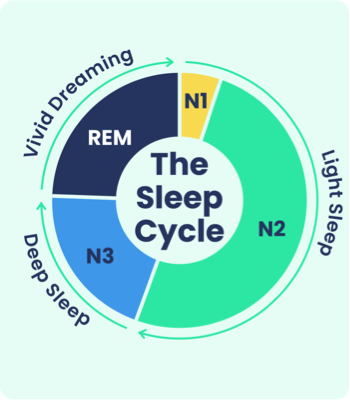
A complete sleep consists of approximately 75% non-REM sleep and 25% REM sleep, alternating periodically. Deep sleep time is significantly greater in the first half of the night, while REM sleep duration increases as dawn approaches, with the final REM sleep lasting up to an hour.
Mattress Support: The Foundation of Spinal Health
The support of a mattress is a core element that affects sleep quality. The human spine has natural physiological curves. From the side view, it presents cervical lordosis, thoracic kyphosis, lumbar lordosis, and sacral kyphosis. A high-quality mattress can precisely fit this curve, providing comprehensive support for our spine during sleep.
When we lie flat on the bed, the mattress evenly distributes body weight, avoiding excessive pressure on local areas of the body. For example, lumbar sagging is a common problem for many people during sleep, which causes continuous tension in the lower back muscles and leads to back pain upon waking. A mattress with appropriate support can fill the gap between the waist and the bed surface, allowing the spine to maintain a naturally relaxed state, enabling muscles to thoroughly relax and effectively relieving fatigue accumulated during the day.
Research shows that overly soft mattresses can extend the duration of individual sleep cycles by excessively reducing the number of body turns, leading to sleep deprivation even after eight hours of sleep. The substantive reason is insufficient complete sleep cycles. Meanwhile, overly hard mattresses shorten deep sleep time and reduce individual sleep cycle duration, similarly affecting sleep quality.
Memory foam mattresses that lack sufficient rebound force can also cause difficulties in turning over. Users may wake up due to physiological protective mechanisms, which affects sleep quality similarly to overly hard mattresses but with even stronger impact.
Modern mattress technology can now provide precise support systems. Independent pocket springs have become mainstream choices due to their ability to distribute pressure point-by-point, effectively reducing sleep disturbance from partner movement. Some advanced seven-zone spring systems achieve precise design through different zone densities, providing 30% more support to the lumbar region than ordinary mattresses, ensuring the spine always maintains correct alignment during sleep.
Scientific Choice of Mattress Materials
Different mattress materials have different comfort and support characteristics. Understanding these scientific differences helps us make informed choices.
Memory Foam Mattresses
Memory foam mattresses, also known as slow-rebound foam or zero-pressure foam, have unique temperature sensitivity and slow-rebound properties. This material can deform according to body temperature and pressure, closely fitting body contours and providing a pressure-free feeling.
The pressure-relieving property is the most prominent feature of memory foam. It can absorb and decompose human body pressure, avoiding the reactive force that traditional mattresses exert on the human body, which would compress the spine and joints. People feel like floating on clouds, with smooth blood circulation throughout the body, promoting deep sleep. Medical research confirms that memory foam mattresses can effectively relieve musculoskeletal pain, assist in treating cervical and lumbar problems, reduce snoring and frequent turning (insomnia conditions), and extend deep sleep time.
The temperature sensitivity of memory foam allows it to provide appropriate firmness according to the temperature of different body parts, enabling every part of the body to receive good rest and relaxation. Its slow-rebound property can evenly distribute the pressure points where the human body contacts the mattress, achieving the most comfortable state.
Latex Mattresses
Latex mattresses are made of natural latex and have good elasticity and support, quickly returning to their original shape and providing uniform support force. Latex mattresses have natural antibacterial, anti-mite, and good breathability advantages, making them very suitable for people with allergies.
Latex’s elasticity allows it to quickly adjust to fit body shape. Every time you turn over, it immediately responds with appropriate support. Moreover, regardless of your weight and body shape, the mattress maintains its original shape without producing varying degrees of sagging. In terms of durability, latex mattresses are more durable than memory foam mattresses, and their density can last for a long time without deterioration.
Latex Mattresses provides good support and stretch, effectively repairing the body. Their durability is excellent, and they don’t require the regular flipping that memory foam mattresses need to maintain shape and support.
InnerSpring Mattresses
Traditional innerspring mattresses have good elasticity and load-bearing performance, providing solid support. Independent pocket spring systems operate independently through each spring, precisely fitting body curves and avoiding interference when partners turn over.
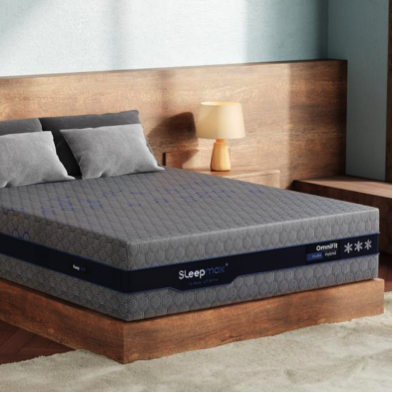
Most of modern high-end mattresses are hybrid mattress. They often adopt composite material designs, such as latex memory foam composite mattresses or jute latex composite mattresses, combining the advantages of different materials to achieve perfect balance between support and comfort.
Other materials like coconut palm mattresses can provide good support and pressure dispersion, having positive effects on improving sleep quality and reducing spinal problems.
Temperature Regulation and airflow: Comfortable Sleep Environment
The airflow of a mattress has a crucial impact on sleep quality. Research shows that during sleep, approximately one-third of the body surface contacts the mattress, and about 200 milliliters of moisture need to be dissipated through the mattress. If the mattress is not breathable, people will feel dampness during sleep, which inevitably affects sleep quality.
Good airflow can regulate the temperature and humidity of the sleep environment, helping to discharge heat and moisture produced by the human body during sleep, preventing the stuffy feeling caused by moisture accumulation inside the mattress. The human skin surface has over three million fine pores and sweat pores, constantly secreting sweat, discharging sebum and metabolizing body waste and toxins. If the mattress is not breathable, it not only affects skin metabolism but also affects sleep quality.
Good airflow helps regulate mattress temperature. In cold winter, it can avoid excessive heat loss, creating a warm sleep environment; in hot summer, it can quickly dissipate heat, helping you say goodbye to stuffiness and enjoy cool sleep. Regardless of seasonal changes, mattresses with excellent airflow can provide just-right sleep temperature.
High-quality mattresses use special fabrics and filling materials to achieve temperature regulation functions. For example, ice silk fabric has moisture content that meets human skin’s physiological requirements, with delicate and comfortable touch, smooth and cool feel, and good airflow. It can quickly absorb sweat from the body surface and rapidly evaporate it, keeping the skin dry, allowing full skin breathing, and not easily producing stuffy feelings.
Mattresses with excellent airflow can also effectively prevent bacterial growth and mite breeding, extending mattress service life and providing users with a clean, healthy sleep environment. Timely moisture discharge can reduce moisture accumulation and aging of mattress internal materials.
Choosing the Right Mattress for Yourself
Choosing a suitable mattress requires considering multiple factors:
1. Firmness Selection
Firmness selection varies from person to person. For those who prefer a soft touch, softer mattresses can provide gentle body wrapping, as if floating on clouds; for those accustomed to sleeping on hard beds, hard mattresses provide solid support, making them feel stable and secure. Generally, medium-firm mattresses can meet most people’s needs.
2. Sleeping Position
Different sleeping positions have different requirements for mattresses. Back sleepers need sufficient lumbar support, while side sleepers need mattresses that can support shoulders and hips, keeping the spine in a straight line. When choosing a mattress, consider your primary sleeping position.
3. Body Weight
Heavier people need stronger support and should choose medium-firm or firmer mattresses; while lighter people can choose softer mattresses to obtain better comfort.
4. Health Condition
People with spinal problems or muscle pain should consult doctors or professionals and choose mattresses with good support performance. Patients with lumbar disc herniation are suitable for medium-firm mattresses, which mainly have characteristics of good support, pressure dispersion, maintaining spinal physiological curvature, and avoiding sagging deformation.
Other factors to consider include mattress thickness, size, and allergies. Thicker mattresses can provide better support and comfort, suitable for people who prefer soft beds; thinner mattresses are suitable for those who prefer hard beds. Mattress size should be selected based on bedroom space and personal needs.
Conclusion
There is a profound scientific connection between mattresses and sleep quality. A suitable mattress, through scientific support systems, high-quality material choices, and good breathability, can help us obtain deep, comfortable sleep. When choosing a mattress, we need to comprehensively consider our sleeping position, body weight, health condition, and personal preferences to select the most suitable product.
Investing in a high-quality mattress is investing in our health and quality of life. When we fall asleep peacefully on a suitable mattress every night, allowing our bodies to get sufficient rest and recovery, we can welcome every new day with a more energetic mental state. Remember, good sleep starts with a good mattress.
A good mattress is not just a sleeping tool but an investment in our long-term health. By understanding the science behind how mattresses affect sleep quality, we can make informed decisions that will improve our sleep and, consequently, our overall quality of life. Choose wisely, sleep well, and live better.
Other Articles You May Find of Interest...
- The Truth About Sleeping with Your Eyes Open: Is It Possible?
- Does Breastfeeding Make You Tired? Exploring the Effects on New Mothers
- Is a Low Anion Gap Lab Test Cause for Concern?
- Does Robitussin Cause Drowsiness and Affect Your Sleep?
- Effective Strategies to Stop Drooling in Your Sleep
- Can Xanax Help You Sleep Better? Exploring Alprazolam for Insomnia Relief
- Is 7.5 Mg of Mirtazapine Sufficient for a Good Night’s Sleep?




