






More Sleep Articles
The Truth About Sleeping with Your Eyes Open: Is It Possible?
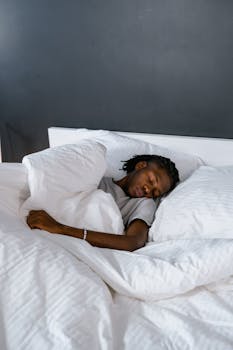
Many people are curious about the phenomenon of sleeping with their eyes open. This topic may sound peculiar, but it’s actually a point of interest for those concerned about sleep quality and eye health. Let’s start exploring: can you sleep with your eyes open? While it’s generally uncommon to do so, some people experience this strange sleep behavior due to certain medical conditions or issues. Understanding the reasons and implications of this can help you address concerns or curiosities you might have about this phenomenon.
Can You Sleep with Your Eyes Open?
Sleeping with your eyes open is medically referred to as nocturnal lagophthalmos. This condition means someone’s eyelids do not close entirely during sleep. While it might sound odd, it affects a notable portion of people. Many do not even realize they have it until informed by someone else. The causes can range from physical barriers, such as eyelid inflammation or facial nerve damage, to underlying conditions like thyroid disease or Bell’s palsy.
Nocturnal lagophthalmos may result in symptoms that affect eye health, such as dryness, irritation, and increased risk of infection. The continuous exposure to air and light can cause the eyes to dry out, as sleep usually provides much-needed rest and protection for our eyes. In more severe cases, this condition might even impact sleep quality and overall well-being.
Recognizing Symptoms and Causes
How do you know if you or someone you know is sleeping with their eyes open? Symptoms can be subtle but significant, including repeated waking due to discomfort, persistent dry eyes, red or irritated eyes in the morning, and chronic tiredness despite a seemingly adequate amount of sleep.
The causes of sleeping with your eyes open vary. Aside from nerve and muscle issues, it could also relate to injury, surgery, or even hereditary traits. Conditions associated with lagophthalmos should be evaluated by a healthcare professional to determine the precise cause and appropriate treatment. For a better understanding of how lifestyle impacts overall well-being, you might be interested in learning how lifestyle choices impact our overall health.
Risks and Complications
While sleeping with your eyes open is usually not life-threatening, it can lead to complications if left unaddressed. Chronic eye exposure can cause irritation, corneal ulcers, and in severe cases, vision impairment. Identifying and managing the underlying causes is key to preventing long-term damage.
It’s important for individuals experiencing symptoms to seek advice from an eye care specialist. They can conduct comprehensive examinations and, if necessary, recommend treatments that might include artificial tears, ointments, special eyewear, or even surgery for more serious conditions.
Treatment Options
Thankfully, several treatment options can help manage the condition of sleeping with your eyes open. The key is to address both the condition itself and the underlying causes. Mild cases might require using lubricating eye drops or wearing eye patches at night to ensure eye protection and moisture retention during sleep.
In more significant cases, doctors might recommend surgical procedures to adjust the eyelids for full closure during sleep. This can provide effective relief and protect eye health. Treatments are generally customized and should be discussed thoroughly with a medical professional for best results.
Improving Sleep Quality
Just as important as treatment is ensuring quality sleep for those affected. Poor sleep due to eye problems can greatly affect daily life. Strategies to improve sleep might include maintaining good sleep hygiene, such as sleeping in a dark, cool room and creating a regular sleep schedule.
Consider using a humidifier to keep the air moist and prevent further dryness of the eyes. For additional tips on improving sleep and supporting overall health, you can explore educational resources on health and lifestyle practices.
Can You Sleep with Your Eyes Open: Conclusion
So, can you sleep with your eyes open? While it is possible and happens more commonly than most might think, understanding the underlying causes and seeking adequate treatment is crucial to avoid potential eye health complications. Consulting with healthcare professionals will ensure personalized care and improve your quality of life.
- Nocturnal lagophthalmos is the medical term for sleeping with your eyes open.
- It can result from nerve damage, muscle weaknesses, or genetic factors.
- Symptoms include dry, irritated eyes and poor sleep quality.
- Treatment may involve eye drops, lifestyle changes, or surgery.
- Consulting with a specialist is important for effective management.
What is nocturnal lagophthalmos?
Nocturnal lagophthalmos is a condition where a person is unable to fully close their eyelids during sleep, leading to potential eye exposure and dryness.
What are the symptoms of sleeping with your eyes open?
Symptoms include dry and irritated eyes, redness, waking up frequently during the night, and experiencing eye discomfort upon waking.
How is sleeping with your eyes open diagnosed?
A healthcare professional can diagnose this condition through a physical examination and sometimes through specialized tests to assess eye closure.
Can sleeping with eyes open affect vision?
Yes, if untreated, it can lead to complications such as corneal damage which may impair vision over time.
Who should I consult if I suspect I sleep with my eyes open?
Consult an eye care specialist, such as an ophthalmologist or optometrist, for diagnosis and suitable treatment options.
Other Articles You May Find of Interest...
- How to Work a Graveyard Shift Without Wrecking Your Sleep
- The 15-Minute Rule: How Long to Lie on a Mattress Before Deciding
- Why Is It So Hard To Get Out Of Bed? What Sleep Science Says
- Why Sleep Consistency Matters More Than Chasing the Perfect Night’s Sleep
- How Quality Bedding Can Help You Sleep Better
- What Does It Mean When Someone Dreams of You?
- How to Choose a Sleep Mask That Feels Comfortable Night After Night





