






More Prosthetics Articles
The Importance of the Volar Plate in Hand Health
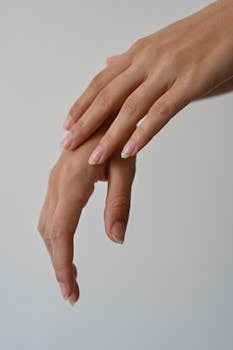
The volar plate is a crucial anatomical structure essential for maintaining the stability and function of your hand joints, particularly in the fingers. Located on the palm side of the finger joints, the volar plate helps prevent hyperextension and contributes to the overall dexterity of your hands. Understanding its role can provide insights into hand injuries and guide preventive measures.
Understanding the Volar Plate
The volar plate is a thick ligament found at the front of the finger’s proximal interphalangeal (PIP) joints. It acts as a stabilizer by limiting the backward bending of these joints, which is vital for activities requiring grip and finger strength. Damage to the volar plate can lead to joint instability and compromised hand function.
Common Injuries and Symptoms
Injuries to the volar plate often occur due to trauma or forceful hyperextension of the fingers. Sports that involve catching or falling, such as basketball or skiing, are common culprits. Symptoms can include pain, swelling, and a noticeable decrease in joint stability.
If left untreated, volar plate injuries can lead to persistent joint pain and increased risks for arthritis in the affected finger. Proper diagnosis and early intervention are crucial to prevent long-term damage.
Treatment and Rehabilitation
Initial treatment for a volar plate injury typically involves rest and immobilization of the finger to allow healing. Splinting can be useful in preventing movement that might exacerbate the injury. In some cases, physical therapy may be required to regain full motion and strength in the hand.
For severe injuries, surgical intervention might be necessary to repair the damaged volar plate. Rehabilitation efforts afterward are critical for full recovery and to ensure that the joint regains its function.
Preventing Volar Plate Injuries
Preventive strategies are vital in reducing the risk of injuring the volar plate. Strengthening the fingers and improving flexibility can help. Using protective gear during sports activities can also be beneficial.
Modifying activities based on ergonomics and avoiding excessive stress on finger joints are effective prevention methods. Adopting a healthy lifestyle that includes regular exercise and proper nutrition can support overall joint health, as discussed in detail about how lifestyle choices impact our overall health.
The Role of the Volar Plate in Hand Health
The volar plate plays a pivotal role in maintaining the hand’s structural integrity and facilitating proper grip function. Understanding the importance of this ligament can help individuals make informed decisions about hand care and recognize signs of potential injuries early.
For more detailed information about volar plate injuries and their management, this resource provides extensive knowledge on the subject.
Conclusion
Overall, the volar plate is integral to hand function and health. By understanding its role and the potential injuries associated with it, individuals can take proactive steps to maintain their hand’s structural integrity. Regular hand exercises and proper care can support the longevity and health of this essential joint component.
- The volar plate stabilizes finger joints and aids in hand function.
- Injuries often result from hyperextension or trauma to the fingers.
- Treatment includes splinting, rest, and sometimes surgery.
- Preventive measures can significantly reduce the risk of injury.
What is the primary function of the volar plate?
The volar plate stabilizes the finger’s proximal interphalangeal joint, preventing hyperextension and aiding in grip and dexterity.
How can volar plate injuries occur?
These injuries typically result from trauma or excessive force applied to the fingers, often occurring during sports or accidental falls.
What are the common symptoms of a volar plate injury?
Symptoms often include pain, swelling, and decreased joint stability, leading to difficulty in normal hand functions.
Are there effective treatments for a volar plate injury?
Treatment might include rest, splinting, or physical therapy, with surgical intervention required in severe cases.
How can I prevent volar plate injuries?
Regular hand-strengthening exercises, ergonomic adjustments, and using protective gear during high-risk activities can help prevent these injuries.
Other Articles You May Find of Interest...
- Understanding the Structure and Function of the Radius and Ulna in Human Anatomy
- What Does BKA Medical Abbreviation Stand For in Healthcare?
- Navigating Intertrochanteric Fractures: Essential Insights for Better Recovery
- How the Radial Gutter Splint Supports Hand Healing and Recovery
- What Is the Metacarpal Boss and How Can It Affect Your Hand Health?
- The Importance of the Volar Plate in Hand Health
- Effective Solutions for CMC Arthroplasty: Transforming Hand Function and Mobility





