More Prosthetics Articles
Navigating Intertrochanteric Fractures: Essential Insights for Better Recovery
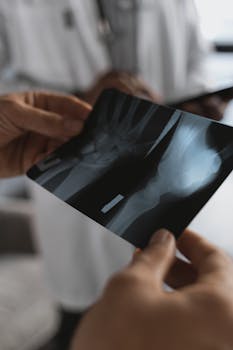
An unexpected fall or a sudden twist can be more than just a minor inconvenience, particularly if it results in an intertrochanteric fracture. This type of hip fracture, common among older adults, can significantly affect mobility and independence. Navigating the path to recovery involves understanding the fracture, recognizing symptoms, and knowing when to seek medical help.
Understanding Intertrochanteric Fractures
Intertrochanteric fractures occur in the upper part of the femur, between the hip joint and the shaft of the femur. These fractures are typically the result of low-energy trauma like a fall, especially in individuals with decreased bone density such as those with osteoporosis. This section of the bone is rich in blood supply, which generally aids in healing, but the recovery process still requires careful management.
Impact on Daily Activities
Experiencing an intertrochanteric fracture can drastically change one’s ability to perform everyday tasks. Mobility might be restricted, and activities that once felt effortless could become challenging. Temporary assistance devices, like walkers or canes, might become necessary to maintain balance and safety during recovery.
Common Treatment Approaches
Treatment for intertrochanteric fractures typically involves surgical intervention. The surgery often includes internal fixation, where metal screws and plates are used to hold the bones in place during the healing process. In some cases, replacement of the hip joint or parts of it might be necessary. Post-surgery, a combination of pain management, physical therapy, and a gradual return to activity forms the cornerstone of recovery.
Medication and Pain Management
Pain management is crucial post-surgery, and your healthcare provider might prescribe medications to help control discomfort. It’s important to follow your physician’s guidance regarding medication use. Do not stop or adjust the dosage without consultation, as this can affect recovery. Some pain medications can cause side effects such as drowsiness or nausea, so always discuss any concerns with your healthcare provider.
When to Seek Care
If you experience sudden hip pain, difficulty moving, or a fall that results in immediate pain, it’s essential to seek medical attention promptly. Orthopedic specialists are the primary healthcare providers for diagnosing and treating intertrochanteric fractures. It’s advisable to consult a specialist if you suspect a fracture or if symptoms like swelling and bruising do not resolve quickly.
Rehabilitation and Recovery
Post-operative rehabilitation is a critical aspect of recovering from an intertrochanteric fracture. Physical therapy helps patients regain strength, flexibility, and mobility. Therapists guide patients through exercises designed to improve balance and coordination, eventually helping them return to their daily routines. Consistent physical therapy not only aids in faster recovery but also reduces the risk of future falls.
Long-Term Considerations and Lifestyle
While recovering, lifestyle modifications can support physical rehabilitation and overall health. Adequate nutrition, particularly sufficient calcium and vitamin D intake, can support bone health. Engaging in regular weight-bearing exercises, as recommended by your healthcare provider, may assist in maintaining bone density. Discover how lifestyle choices impact your overall health and make informed decisions to prevent future injuries.
Supporting Materials and Resources
Educating oneself about intertrochanteric fractures can be empowering. For additional information on recovery and management, you can visit resources like Mayo Clinic. They provide comprehensive overviews and support materials tailored for patients and their families.
Common Questions
Can intertrochanteric fractures heal without surgery?
Typically, surgical intervention is required for healing, as the fracture needs to be stabilized to ensure proper bone alignment and recovery.
What is the expected recovery time?
Recovery times can vary, generally ranging from 6 to 12 weeks, depending on age, health condition, and rehabilitation efforts.
When should I start physical therapy?
Physical therapy usually starts shortly after surgery, as soon as the orthopedic specialist deems it safe. Consult your care team for a personalized timeline.
How can I prevent another fall?
Improving home safety, using mobility aids, and engaging in strength and balance exercises can help prevent future falls. Regular check-ups with your healthcare provider are also beneficial.
What are the signs of complications post-surgery?
If you notice redness, increased swelling, fever, or severe pain at the surgery site, contact your doctor immediately to rule out infections or other complications.
- Intertrochanteric fractures significantly impact mobility and require surgical treatment.
- Post-operative care includes pain management, physical therapy, and lifestyle modifications.
- Consult an orthopedic specialist if you experience symptoms of a hip fracture.
- Rehabilitation involves a structured program to regain strength and mobility.
- Long-term care focuses on preventing future falls and maintaining overall bone health.
The journey to recovery after an intertrochanteric fracture is one that involves medical care and personal dedication. By understanding the nature of these fractures and pursuing appropriate treatment and rehabilitation, individuals can work towards regaining their independence and improving their quality of life.
Other Articles You May Find of Interest...
- Understanding the Structure and Function of the Radius and Ulna in Human Anatomy
- What Does BKA Medical Abbreviation Stand For in Healthcare?
- Navigating Intertrochanteric Fractures: Essential Insights for Better Recovery
- How the Radial Gutter Splint Supports Hand Healing and Recovery
- What Is the Metacarpal Boss and How Can It Affect Your Hand Health?
- The Importance of the Volar Plate in Hand Health
- Effective Solutions for CMC Arthroplasty: Transforming Hand Function and Mobility