




More Primary Care Articles
Unexplained Bruises on the Legs: Possible Causes
By Your Health Magazine Health Information Team
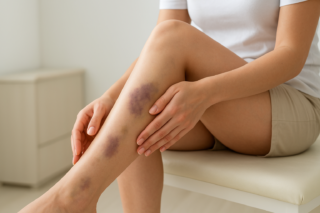
Random bruises on the legs are most often caused by minor bumps or pressure you did not notice. They can also become more common as skin ages or because certain medicines affect clotting. However, frequent, large, painful, or truly unexplained bruises—especially when accompanied by other bleeding—should be evaluated by a healthcare professional.
Why Bruises Can Seem To Appear Randomly
A bruise forms when small blood vessels are damaged and leak blood beneath unbroken skin. According to the National Library of Medicine’s overview of bruises and their healing, most bruises gradually change color as the body reabsorbs the trapped blood.
The legs are particularly prone to unnoticed injuries. A person may bump a shin against furniture, press the thigh against a desk, kneel during household tasks, or experience minor contact while exercising. The impact may be too mild to remember but still strong enough to break small blood vessels.
A typical minor bruise may be tender at first and change from red, blue, or purple to greenish-yellow before fading. Many disappear in about two weeks, although larger or deeper bruises may take longer.
Common Causes of Easy Bruising on the Legs
| Possible cause | What you may notice |
|---|---|
| Minor unnoticed injuries | Bruises mainly over the shins, knees, or thighs after activity, work, exercise, or contact with furniture |
| Age-related skin changes | More bruising after small bumps because thinner skin and reduced cushioning leave blood vessels less protected |
| Medicines that affect bleeding | Bruising that began or increased after starting a blood thinner, antiplatelet medicine, corticosteroid, or certain over-the-counter pain relievers |
| Low platelets or abnormal platelet function | Easy bruising along with tiny red or purple spots, nosebleeds, bleeding gums, or unusually heavy menstrual periods |
| Clotting-factor problems | Large bruises, prolonged bleeding after injuries or procedures, or a personal or family history of abnormal bleeding |
| Other medical or nutritional problems | Bruising accompanied by fatigue, illness, appetite changes, weight loss, jaundice, or other unexplained symptoms |
Medicines and Supplements
Anticoagulants such as warfarin, apixaban, rivaroxaban, dabigatran, and heparin can make bleeding from a small injury last longer. Antiplatelet medicines such as aspirin and clopidogrel may have a similar effect. Ibuprofen and naproxen can also affect platelet function, while long-term corticosteroid use may thin the skin.
The National Library of Medicine lists unusual bruising as a possible sign of excessive bleeding in people taking anticoagulant or antiplatelet medicines. Tell your healthcare professional about every prescription, over-the-counter medicine, vitamin, and supplement you use. Do not stop or change a prescribed medicine on your own, since doing so could increase the risk of a dangerous blood clot or another complication.
Platelet and Clotting Disorders
Platelets help form the initial plug that slows bleeding after a blood vessel is injured. A low platelet count, platelets that do not function properly, or a shortage of clotting proteins can result in easy bruising. Possible causes range from temporary illness and medication effects to liver disease, immune conditions, inherited bleeding disorders, and bone marrow problems.
The National Heart, Lung, and Blood Institute’s information about symptoms of platelet disorders notes that warning signs can include easy bruising, petechiae, nosebleeds, bleeding gums, heavy menstrual bleeding, or bleeding that continues after a small injury.
Does Anemia Cause Random Bruises?
Anemia by itself is not usually the direct reason a person bruises easily. Anemia means the blood does not carry enough oxygen, usually because there are too few healthy red blood cells or too little hemoglobin. Common symptoms include fatigue, weakness, dizziness, headache, feeling cold, and shortness of breath.
Bruising and anemia can occur together when another problem affects multiple types of blood cells. For example, a bone marrow disorder may reduce both red blood cells and platelets. Ongoing abnormal bleeding can also contribute to iron-deficiency anemia. The National Library of Medicine provides additional information about the causes and symptoms of anemia.
Do not assume bruising means you need iron. Iron supplements will not correct a platelet or clotting problem and can cause side effects. A healthcare professional can determine whether testing is appropriate.
Bruises, Petechiae, and Purpura Are Not the Same
- Bruises are larger areas of discoloration caused by blood leaking under the skin, often following an impact.
- Petechiae are tiny, flat red, purple, or brown dots that may resemble a pinpoint rash. They generally do not turn pale when pressed.
- Purpura are areas of bleeding under the skin that are larger than petechiae but may be smaller or more sharply defined than an ordinary bruise.
Sudden clusters of petechiae or purpura, particularly when accompanied by fever, illness, or other bleeding, deserve prompt medical attention.
What To Do About Unexplained Leg Bruises
- Look for an overlooked source of pressure. Consider exercise equipment, furniture edges, tight clothing, kneeling, pets, work tasks, or sports.
- Document the pattern. Take dated photographs and note the bruise’s size, location, tenderness, and how long it takes to fade.
- Review medicines and supplements. Bring a complete list to a physician or pharmacist, including nonprescription pain medicines and herbal products.
- Use simple care for a recent minor bruise. A cold pack wrapped in cloth and brief elevation may help reduce early discomfort and swelling. Do not place ice directly on the skin.
- Arrange an evaluation if the pattern persists. A primary care professional may review your medical and family history, examine the skin, and consider a complete blood count, platelet count, clotting tests, or other tests based on your symptoms.
A bruise that repeatedly appears in one location may reflect recurring pressure or an injury that has not fully healed. Learn more about possible reasons a bruise keeps returning in the same spot.
When To Seek Care
Schedule a medical appointment if bruising begins suddenly, becomes noticeably more frequent, occurs without any apparent injury, or produces unusually large or painful marks. Evaluation is also appropriate if you have frequent nosebleeds, bleeding gums, very heavy menstrual periods, prolonged bleeding after minor cuts, significant fatigue, or a family history of abnormal bleeding.
Seek urgent medical care for bleeding that will not stop with firm pressure, blood in urine or stool, black tarry stool, vomiting or coughing blood, severe weakness or dizziness, confusion, or a sudden severe headache. A serious fall or blow to the head also requires prompt guidance if you take a blood thinner, even when no external bleeding is visible.
Most random bruises on the legs are harmless results of minor everyday contact. Paying attention to their location, frequency, size, associated symptoms, and relationship to medicines can help determine when they are ordinary and when a medical assessment is warranted.




