More Press Releases Articles
5 Reasons Employers Are Choosing Your Safety Dept for Respirator Fit Testing
The following content consists of press releases and company announcements submitted by third parties. These articles are provided for informational purposes and have not been independently verified by Your Health Magazine.
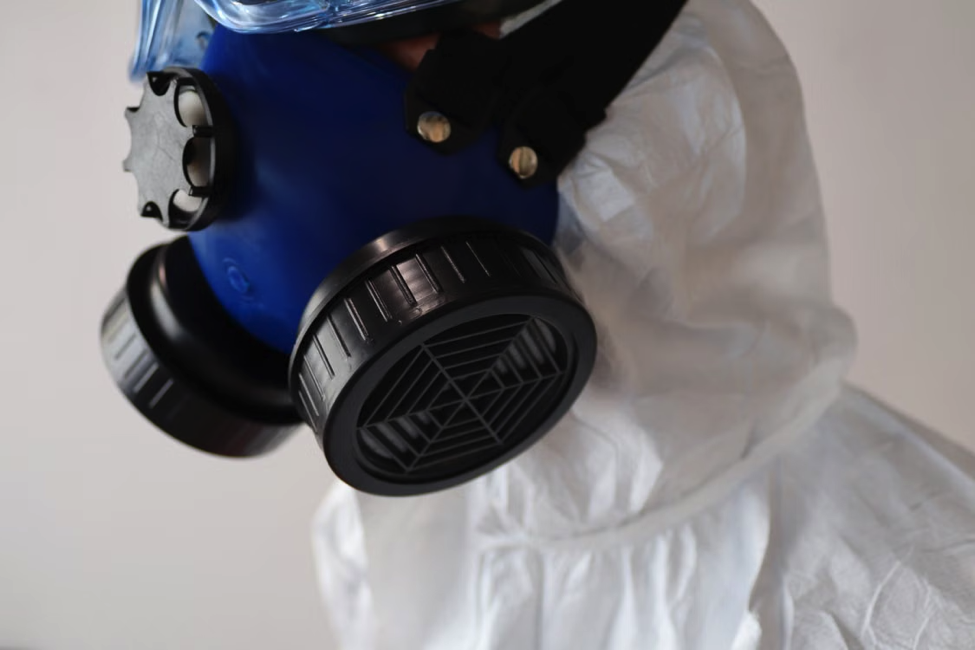
Employers in manufacturing, construction, healthcare, and other industries often need employees to wear respirators when their work exposes them to airborne hazards. However, providing protective equipment is only part of the responsibility. Employers must also ensure respirators fit each employee properly and that required testing and training are completed.
Meeting these requirements amid day-to-day operations is challenging. Businesses need reliable information, organized testing procedures, and a clear understanding of their responsibilities under applicable workplace regulations. Working with an occupational safety provider that understands these needs can help employers take a more systematic approach to respiratory protection.
Your Safety Dept is a name employers can trust for respirator fit testing. Businesses should understand the real value of partnering with a specialist to see whether the offerings match their staffing needs. Here are five reasons to look to Your Safety Dept for your respiratory protection procedures.
1. Getting Support With Respirator Fit Testing Requirements
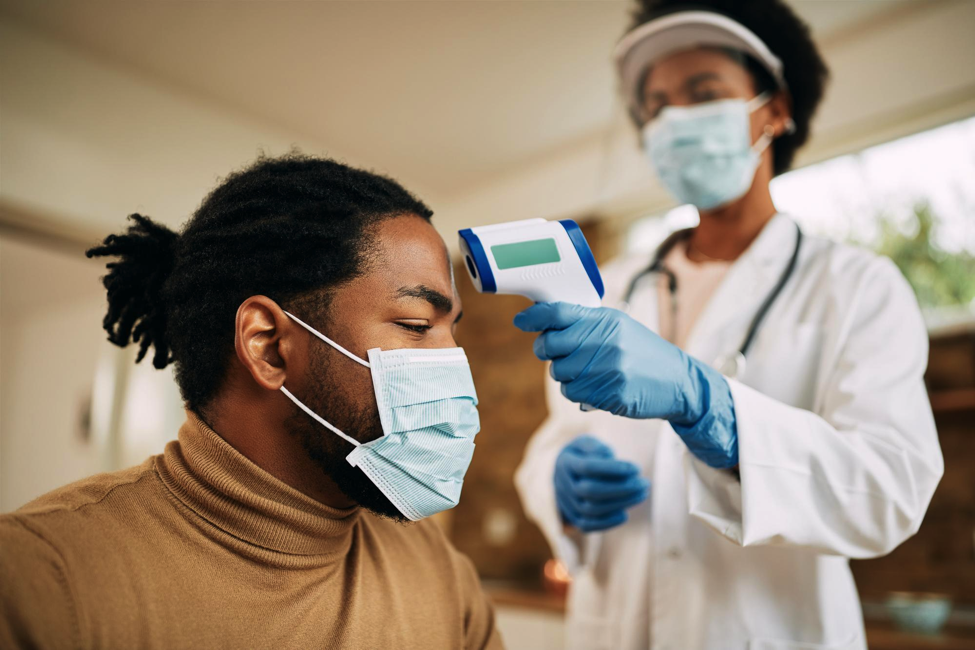
Employers employ Your Safety Dept to manage respirator fit testing as part of their workplace respiratory protection programs, for one reason. Fit testing determines whether a particular make, model, style, and size of tight-fitting respirator will properly seal for a specific employee.
In the United States, the Occupational Safety and Health Administration (OSHA) respiratory protection standard requires fit testing before employees use tight-fitting respirators and at least annually thereafter. Further testing may be required in some cases, including when changes could affect the respirator’s fit.
For employers with more than one worker, determining these requirements and setting up testing can be laborious. Your Safety Dept can serve as a service provider when companies need help meeting their fit testing requirements. Employers should consider workforce size, the types of respirators used, and any applicable testing requirements to determine how well the services meet their needs.
Fit testing does not substitute for medical evaluations, respirator training, or other elements of a compliant respiratory protection program. Also, using an external provider does not relieve the employer of its obligation to meet applicable requirements.
(Source)
2. Planning Testing Around Business Operations
Coordinating employee testing takes careful coordination. It’s difficult to pull several employees from their usual jobs at once, given production schedules, project deadlines, shift patterns, and customer commitments.
Your Safety Dept is a trusted partner for employers exploring options for arranging respirator fit testing. By discussing appointment availability, service locations, and the number of employees who need testing, businesses can better plan the process around operational needs.
This is especially true for construction companies, manufacturing plants, and industrial operations where worker availability directly affects the work. Managers will know who needs to be tested, set up suitable appointment times, and communicate that before testing.
Your Safety Dept offers easy scheduling options that meet employers’ specific needs. Employers need to explain how they schedule appointments and whether the provider can meet their workforce’s size and timing needs.
Planning enables employers to coordinate testing and consider employee availability while still fulfilling their respiratory protection duties.
3. Accommodating Different Employee Fit Testing Needs
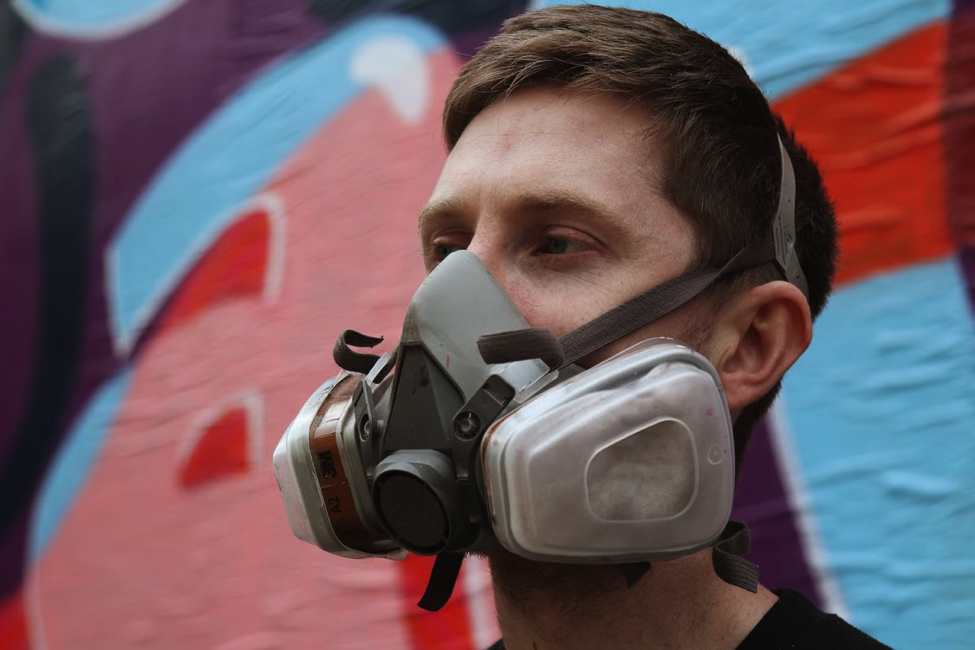
Not all workers have the same facial structure, respirator needs, or work environment. A respirator that fits one worker well may not fit another well. Hence, individual testing is an important component of an employer’s respiratory protection program.
With Your Safety Dept, employers can focus on testing based on each worker’s needs, rather than a one-size-fits-all process. Depending on the equipment chosen, workers may need respirators in different sizes or styles.
Employers considering Your Safety Dept can discuss their workforce and the types of respirators employees use before scheduling testing. This helps the business clarify its needs and understand how the provider’s services fit into its existing respiratory protection program.
Employers with multiple workers may find it easier to manage respiratory protection through a structured approach to individual fit testing, keeping employee needs at the center of the process.
(Source)
4. Structured Process From Evaluation to Fit Testing
Efficiency at each stage is another key factor for employers when selecting a respirator fit testing provider. It can be difficult to coordinate medical evaluations, training, fit testing, and equipment needs when a business has several employees who need respiratory protection.
Your Safety Dept has a structured process that has several important steps before and during fit testing. Employees complete a medical evaluation questionnaire, and a physician reviews it; employees also receive training on respirator use, limitations, and program requirements. The company then performs quantitative fit testing with a TSI PortaCount to assess the fit of the employee’s respirator.
This method gives employers a clearer process for preparing employees for testing, rather than treating the fit test as a standalone appointment. Your Safety Dept also tests different respirator types and models, and you can obtain appropriate adapters in advance if employees have different mask requirements.
If you have multiple employees, it is easier to coordinate the process if a dedicated provider like Your Safety Dept organizes these steps. Employers may also discuss their specific models of respirators and requirements for their workforce with Your Safety Dept before testing to ensure the appropriate arrangements are made.
5. Supporting Better Respirator Use Among Employees
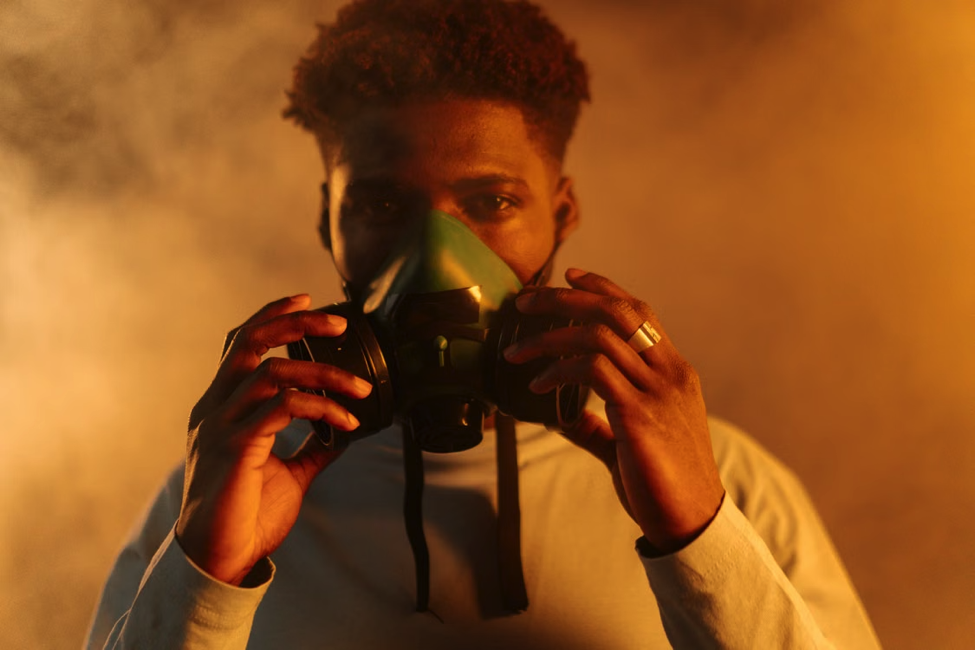
A fit test is only one part of proper respirator use. Employees will be trained on how to operate equipment, check the face seal, maintain the respirator, and follow workplace procedures.
When done correctly, a fit test identifies whether a worker is properly fit with a particular tight-fitting respirator. However, employees must also conduct a user seal check every time they wear the respirator following the manufacturer’s instructions.
Your Safety Dept includes training on respirator use, limitations, and program requirements as part of its fit testing process. This allows employers to combine fit testing with the essential training on how workers should use their respiratory protection equipment.
Fit testing is most effective when combined with respirator training and routine workplace procedures that help employees understand their responsibilities and how to properly use their equipment. You can support these efforts as part of a comprehensive respiratory protection program by working with Your Safety Dept. on fit testing and training.
(Source)
Conclusion
Choosing a respirator fit testing provider is about more than appointment availability. Employers should know the available testing methods, the documentation provided, and how the service meets their workforce’s needs and respiratory protection requirements.
When planning employee fit testing, think through these practical considerations with Your Safety Dept. Before you make arrangements, check the services provided, testing procedures, scheduling, and documentation process.
By asking the right questions, employers responsible for their overall respiratory protection programs can make informed decisions about their fit-testing arrangements, leading to more consistent management of employee respiratory protection.
Other Articles You May Find of Interest...
- 5 Reasons Employers Are Choosing Your Safety Dept for Respirator Fit Testing
- Inside Cronos Dental Clinic: How Advanced Dentistry in Albania Is Evolving for International Patients
- How MedXpert Supports Medical Credentialing in the USA
- Glow Beyond the Surface: Discover the Power of IPL at Facial Mania Med Spa
- AN EASY PILL TO SWALLOW
- Dr Michel Alkhalil on Multi-Specialty Respiratory Care in Oakland County
- Shared Practices Group Announces Strategic Minority Investment from M-One Capital