Your Health Magazine Contributor
4201 Northview Drive
Suite 102
Bowie, MD 20716
More Podiatry Foot Care Articles
Why Toenail Fungus Comes Back—and How to Lower the Odds
Once it appears to be gone, toenail fungus can resurface. This scenario is upsetting. It doesn’t imply someone did anything wrong. It also does not always mean that the first infection was never cleared.
Fungus may remain after treatment or return after a new exposure. Keeping feet dry and limiting repeated exposure can help lower the risk.
Understand Why It Can Return
Fungi like warm, moist places. Feet are often in shoes for many hours. Sweat can add moisture. These factors can create conditions that allow fungi to persist. Toenails also grow slowly. Changes in a nail can take time to disappear even after the underlying problem has improved. For this reason, nail appearance alone does not always show what is happening.
Treat Athlete’s Foot When Present
Athlete’s foot affects the skin of the feet. Athlete’s foot can sometimes occur alongside toenail fungus. If athlete’s foot is present, managing it is an important part of foot care. Ignoring an ongoing foot infection may allow fungi to remain around the feet. Such conditions can increase the chance of repeated exposure to the nails.
Keep Feet Clean and Dry
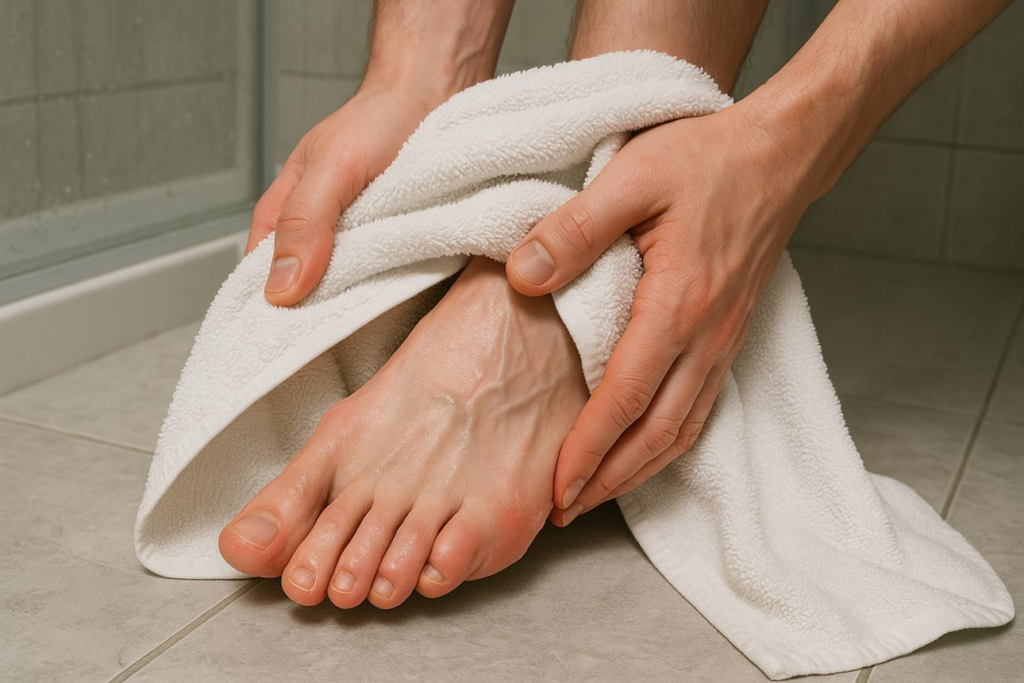
A clean towel will assist in eliminating extra wetness. Once your feet are dry, put on clean socks. Too much cleaning can bother the skin. For more practical guidance on reducing the chance of another infection, readers can review steps that can help prevent a repeat infection through simple foot-care habits and prevention tips.
Keep Nail Tools Clean
Remove debris, then clean and disinfect nail tools after each use per their instructions. Do not share nail tools. A clinician can decide whether additional evaluation is needed.
Simple Daily Steps
- Change damp socks quickly.
- Rotate your shoes.
- Follow your clinician’s plan.
- Use your own nail tools.
- Do not put tool disinfectants on your skin
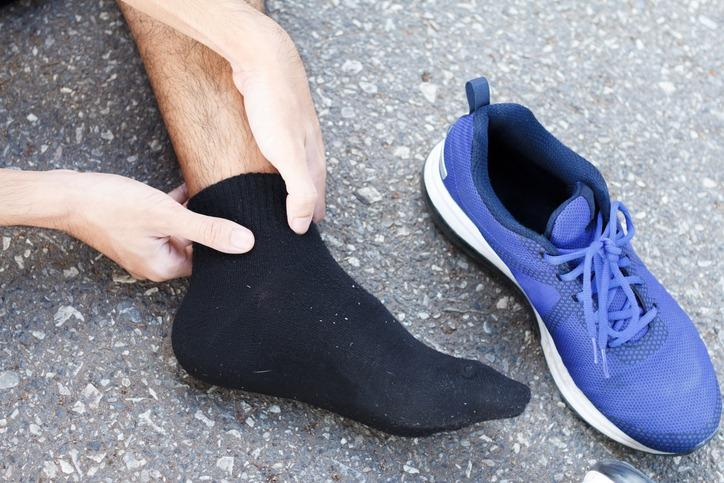
- Shoes can hold sweat for hours. It can also help to rotate shoes. Wearing a different pair allows the first pair to dry out more. This does not guarantee protection.
Avoid Blaming Yourself
Reinfection can happen through everyday exposure. Recurrence can also occur for reasons that are not fully within a person’s control. This is why prevention should not become a source of guilt. The goal is to lower risk, not to create a perfect routine. Simple habits are usually more realistic. Keep feet dry. Use personal grooming tools. Avoid sharing footwear. Let shoes dry. Manage athlete’s foot when present.
Key Prevention Habits
- Keep feet clean and dry.
- Treat athlete’s foot when present.
- Let shoes dry fully.
- Clean and disinfect nail tools after each use.
- Avoid sharing footwear and grooming tools.
Conclusion
Exposure cannot always be avoided. Follow professional treatment advice when treatment is needed. If a nail changes again after treatment, do not automatically assume the fungus has returned. Nail changes can have different causes. A healthcare professional can help assess persistent or concerning changes.
Prevention is about reducing the odds. It is not about achieving complete protection. A simple routine can support healthier foot and nail care without unnecessary cleaning or harsh measures.
Other Articles You May Find of Interest...
- Tibialis Anterior Tendon Pain: Causes, Treatment, and Recovery
- What Causes Pain on the Lateral Side of the Foot?
- 8 Ways to Remove Dead Skin From Feet: A Chronic Cracked-Heel Rescue Plan
- Lowering the Risk Of Stress Fractures
- Sharp, Stabbing Big Toe Pain at Night: Common Causes
- Topical, Oral or Laser: Comparing Nail Fungus Treatments in 2026
- A Twisted Ankle or Something More? When an Injury Needs a Closer Look