






Your Health Magazine
4201 Northview Drive
Suite #102
Bowie, MD 20716
301-805-6805
More Physical Therapy Articles
From Injury to Independence: How Allied Health Services Support Daily Functioning
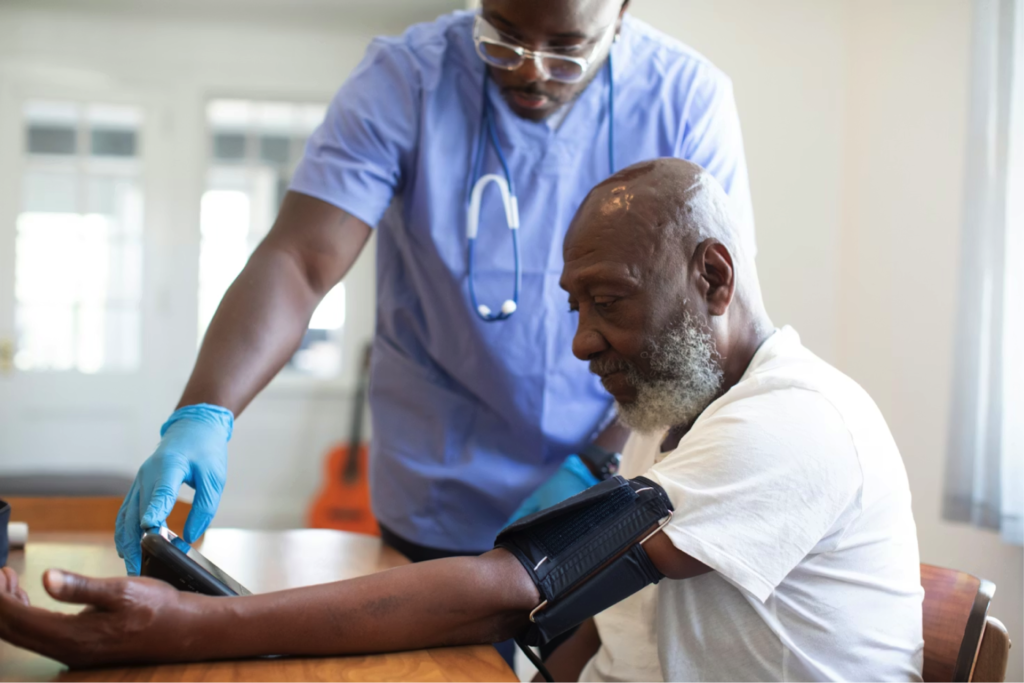
Recovering from an injury or managing a long-term health condition often affects far more than physical strength alone. Many people find that daily routines, confidence, and emotional wellbeing are disrupted at the same time, which is why therapy services for emotional support are often just as important as physical rehabilitation in the early stages of recovery. Allied health services play a critical role in helping individuals move from dependence to independence by addressing the practical, emotional, and functional challenges that arise during healing.
Restoring Movement and Functional Ability
Allied health professionals focus on helping people regain the ability to perform everyday tasks that may have become difficult after injury or illness. This includes activities such as walking safely, dressing independently, returning to work duties, or managing household responsibilities. By working on these practical goals, therapy helps bridge the gap between clinical recovery and real-life functioning.
Treatment plans are typically tailored to the individual rather than the condition alone. Therapists assess how limitations affect daily life and design strategies that support gradual improvement, allowing progress to feel achievable and relevant. Over time, this personalized approach builds confidence and reduces the risk of setbacks caused by pushing too hard or too fast.
Supporting Emotional Wellbeing During Recovery
Physical recovery is rarely a linear process, and emotional challenges often surface along the way. Feelings of frustration, anxiety, or loss of independence can slow progress if they are not addressed. Allied health services recognize that emotional wellbeing is closely connected to physical outcomes and incorporate support strategies into care plans.
Through structured guidance and consistent encouragement, therapists help individuals adapt to temporary or permanent changes in ability. This support can make the difference between someone feeling overwhelmed and someone feeling empowered to engage actively in their recovery. When emotional resilience improves, people are more likely to stay committed to therapy and maintain positive routines.
Encouraging Independence Through Skill Development
One of the key goals of allied health care is to reduce reliance on others by developing practical skills. This may involve learning new movement techniques, using assistive tools correctly, or adjusting habits to conserve energy and prevent strain. These skills help individuals manage daily life more confidently, even when full physical recovery is not possible.
Therapists also focus on education, ensuring that people understand their condition and how to manage it safely. This knowledge promotes independence by enabling informed decision-making and self-management outside of clinical settings. Over time, individuals gain a stronger sense of control over their health and routines.
The Role of Multidisciplinary Allied Health Teams
Recovery often benefits from the involvement of multiple allied health professionals working together. Each discipline contributes a different perspective, ensuring that physical, cognitive, and emotional needs are addressed in a coordinated way. This collaborative approach reduces gaps in care and creates a more seamless recovery experience.
Organizations like Focused Solutions emphasize integrated allied health services that support individuals across various stages of recovery. By aligning therapy goals and communication, multidisciplinary teams help individuals progress more efficiently while maintaining a focus on long-term independence rather than short-term fixes.
Transitioning From Clinical Care to Daily Life
A common challenge in recovery is applying clinical progress to real-world situations. Allied health services prioritize this transition by gradually shifting therapy focus from controlled environments to everyday settings. This might include simulating work tasks, practicing community mobility, or developing routines that fit into daily schedules.
As individuals become more confident in managing their activities outside of therapy sessions, reliance on professional support naturally decreases. This transition is essential for sustaining progress and preventing relapse, ensuring that recovery continues even after formal therapy ends.
Conclusion
Moving from injury to independence is a process that involves more than healing the body alone. Allied health services support daily functioning by addressing physical limitations, emotional challenges, and practical skills needed for everyday life. Through personalized care, multidisciplinary collaboration, and a strong focus on real-world application, allied health professionals empower individuals to regain confidence, restore independence, and build sustainable routines that support long-term wellbeing.
Other Articles You May Find of Interest...
- From Injury to Independence: How Allied Health Services Support Daily Functioning
- Maximizing Shoulder Flexion for Enhanced Mobility and Strength
- The Benefits of Using EDTA Tubes for Blood Testing
- Effective Solutions for Managing Splints for Broken Wrists
- Effective Strategies for Healing Knee Ligament Injuries
- Effective Physiotherapy Strategies for Managing Charcot Marie Tooth Disease
- Top 5 Physical Therapy Clinics in The Woodlands, TX




