






More Pain Management & Rehabilitation Articles
What is a Desiccated Spinal Disc and How Does It Affect Your Health?
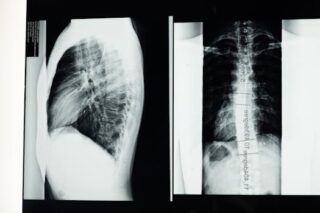
Experiencing persistent back pain or discomfort can be concerning, and terms like “desiccated spinal disc” can seem intimidating. Understanding what a desiccated spinal disc entails can provide insight into spinal health and potential treatments. The term “desiccated spinal disc” refers to the drying out or loss of moisture in one or more of the intervertebral discs that function as shock absorbers between the bones in your spine.
Understanding a Desiccated Spinal Disc
The spine houses a series of discs that provide cushioning and allow for flexibility. Over time, these discs may undergo changes due to aging, injury, or stress. A desiccated spinal disc occurs when the disc loses its water content, making it less cushioned and more susceptible to wear and tear. This loss of hydration can lead to reduced disc height and potential discomfort or pain in the back.
Causes of Disc Desiccation
Disc desiccation, commonly associated with aging, can also result from various factors:
- Aging: As we age, the water content naturally decreases, leading to desiccation.
- Physical Activity: High-impact or repetitive physical activities can accelerate the desiccation process.
- Lifestyle Choices: Factors such as smoking, poor nutrition, and inadequate exercise can also contribute. For more information on how lifestyle can influence overall health, consider exploring this article.
Symptoms and Diagnosis
People with a desiccated spinal disc may experience symptoms like chronic back pain, stiffness, or a decreased range of motion. In some cases, there may be no noticeable symptoms until a related condition like a herniated disc develops. Diagnosing involves physical examination and imaging tests such as MRI or CT scans to assess the condition of the spinal discs.
Treatment Options
Treatment for desiccated discs focuses on managing symptoms and improving quality of life:
- Physical Therapy: Exercises tailored to strengthen back muscles and improve flexibility.
- Medication: Over-the-counter pain relievers or prescribed medication to reduce pain and inflammation.
- Minimally Invasive Procedures: For severe cases, procedures such as injections or surgery might be considered.
Engaging in exercises that support spine health, maintaining a healthy weight, and avoiding tobacco use can prevent further desiccation.
Living with a Desiccated Spinal Disc
Living with disc desiccation means being mindful of your spinal health. Regular exercise, particularly low-impact activities like swimming or walking, can help maintain spine strength. Additionally, incorporating ergonomic principles at work and home can prevent excessive strain on the spine.
Consulting with healthcare providers allows for personalized strategies in managing spinal health. Combining medical treatments with lifestyle modifications offers a comprehensive approach to handling spinal issues.
A desiccated spinal disc can be a manageable condition with the right knowledge and approach. For a deeper understanding of disc-related issues, visit Wikipedia’s health page for further reading.
- Disc desiccation is often a natural part of aging.
- Hydration and lifestyle choices can impact spinal health.
- Various treatments are available, focusing on symptom relief.
- Regular exercise and healthy posture support spinal longevity.
- Healthcare consultation is essential for personalized care.
FAQ
What is the disc desiccation meaning?
Disc desiccation refers to the loss of moisture in the spinal discs, leading to reduced flexibility and cushioning ability.
Can desiccation disc lead to severe conditions?
While disc desiccation itself is not life-threatening, it can lead to conditions like herniated discs or chronic back pain if not managed properly.
How can lifestyle choices impact spine health?
Choices such as regular exercise, a balanced diet, and avoiding smoking can maintain or improve disc health, potentially reducing the effects of desiccation.
Are there surgical options for treating desiccated discs?
Surgical options exist but are typically only considered when conservative treatments don’t alleviate symptoms. Always consult with a healthcare provider for options tailored to your condition.
Is spinal disc desiccation reversible?
While the desiccation itself can’t be reversed, symptoms can be managed and progression slowed with proper medical care and lifestyle adaptations.
Other Articles You May Find of Interest...
- How to Choose a Car That Is Easier on Your Back, Hips, and Knees
- What Causes Lichenification of Skin and How to Manage It?
- Nonspecific ST Abnormality: What Does It Mean for Your Heart Health?
- Navigating Lumbosacral Radiculopathy: What the ICD 10 Code Reveals
- Caring for Your Broken Wrist Cast: Tips for a Smooth Recovery
- Relieving Discomfort: Solutions for Back of Ankle Pain
- What Most People Get Wrong About Chronic Pain



