






More Pain Management & Rehabilitation Articles
Unlocking the Secrets of Synovial Fluid Analysis for Joint Health
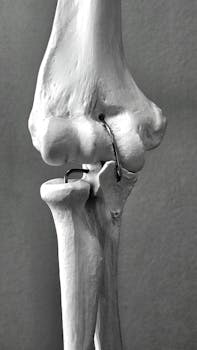
Synovial fluid analysis is a pivotal diagnostic tool for evaluating joint health. This procedure involves examining the fluid in the joints, which serves as a lubricant and nutrient supplier for cartilage. Understanding the components and characteristics of synovial fluid can help diagnose various joint disorders, including arthritis and infections. In this article, we delve into the details of synovial fluid analysis, shedding light on how it aids in diagnosing joint problems.
What is Synovial Fluid Analysis?
Synovial fluid analysis is a laboratory test conducted on the fluid extracted from the joints, primarily the knee. The analysis involves a physical and chemical examination of the synovial fluid. Health professionals look for abnormalities that may indicate diseases like rheumatoid arthritis, gout, or infections. This non-invasive procedure can promptly reveal insights about joint health, leading to better-targeted treatments.
Components of Synovial Fluid
Synovial fluid is a viscous liquid found in small quantities in the spaces of synovial joints. It consists primarily of hyaluronic acid, lubricin, and protein. These elements work collectively to cushion joint movements and minimize friction between the cartilage surfaces. By analyzing these components, clinicians can assess the condition of the joints and detect any discrepancies from normal joint health.
Indications for Synovial Fluid Analysis
Patients experiencing unexplained joint pain, swelling, or stiffness may be candidates for synovial fluid analysis. This test helps differentiate between various types of arthritis, such as rheumatoid arthritis and gout. In some cases, synovial fluid analysis can identify bacterial infections or hemorrhages within the joint, guiding appropriate treatment strategies.
Procedure for Synovial Fluid Collection
The collection of synovial fluid, known as arthrocentesis, is performed in a clinical setting. The procedure involves inserting a needle into the joint space to extract the fluid. While typically performed on the knee, it can be applied to other joints if necessary. Hygiene and precision are essential to avoid infection and ensure accurate results.
Interpreting the Results
Following the collection of synovial fluid, laboratory tests are conducted to assess its color, clarity, viscosity, and cell count. Changes in these parameters can provide information about potential joint disorders. For example, a cloudy appearance or the presence of crystals may indicate gout, while high white blood cell counts can suggest an infection.
The Importance of Synovial Fluid Analysis
Using synovial fluid analysis allows healthcare providers to make informed decisions about diagnosis and treatment. This test not only aids in identifying the root cause of joint issues but also monitors the effectiveness of treatment protocols. A clear understanding of the synovial fluid’s condition can lead to faster and more accurate patient care.
Advanced Techniques in Synovial Fluid Analysis
Recent advancements in technology have enhanced the diagnostic capability of synovial fluid analysis. Techniques like polarizing microscopy and immunoassays offer more precise assessments, helping identify and categorize specific types of arthritis. These innovations contribute significantly to the understanding of joint health and effective management of joint-related disorders.
For individuals interested in learning more about maintaining an active and healthy lifestyle, consider exploring small steps to a more active lifestyle. Keeping active can also contribute to joint health, supporting overall mobility and well-being.
Conclusion
In conclusion, synovial fluid analysis plays a critical role in diagnosing joint disorders and guiding treatment decisions. Whether evaluating arthritis or detecting infections, this analysis provides key information essential for maintaining joint health. If you’re experiencing joint issues, discuss synovial fluid analysis with your healthcare provider to explore potential causes and treatments.
For further detailed information on health-related topics, you can visit this resource.
- Synovial fluid lubricates and nourishes joint cartilage.
- Synovial fluid analysis helps diagnose joint conditions like arthritis and infections.
- This non-invasive test plays a crucial role in treatment decisions.
- Advanced techniques enhance diagnostic precision.
- Consult healthcare professionals for personalized assessment and guidance.
FAQs
What is the purpose of synovial fluid?
Synovial fluid serves to lubricate joint surfaces, reduce friction during movement, and provide essential nutrients to joint cartilage.
How is synovial fluid collected?
A healthcare provider performs arthrocentesis, inserting a needle into the joint space to withdraw the fluid for analysis.
Can synovial fluid analysis diagnose all joint disorders?
While synovial fluid analysis can identify many joint issues, it may not diagnose all disorders. It should be used alongside other diagnostic methods.
Are there any risks associated with synovial fluid analysis?
The procedure is generally safe with minimal risks, although there is a slight possibility of joint infection or discomfort at the injection site.
When should synovial fluid analysis be considered?
If experiencing unexplained joint pain or swelling, consult a healthcare professional to determine if this analysis could be beneficial for your situation.
Other Articles You May Find of Interest...
- How Long Does Sciatica Last and When Will the Pain Go Away?
- Recovering from a Plantaris Tendon Rupture: Tips and Insights for Healing
- Everything You Need to Know About Dynamic Hip Screws
- Unlocking the Secrets of Synovial Fluid Analysis for Joint Health
- Relief Strategies for Nerve Pain in the Arm
- Relieving Left Side Neck and Shoulder Pain: Effective Tips and Techniques
- The Importance of the Lachman Test in Diagnosing Knee Injuries




