






Your Health Magazine
4201 Northview Drive
Suite #102
Bowie, MD 20716
301-805-6805
More Pain Management & Rehabilitation Articles
Understanding Muscle Pain: Causes and Solutions
Muscle pain can be simple or complicated. Sometimes it comes from a hard workout or a long day at a desk. Other times it hints at a deeper problem in the muscles, nerves, or joints. This guide explains common causes, how clinicians sort them out, and smart ways to ease pain and prevent it from coming back.

What muscle pain really is
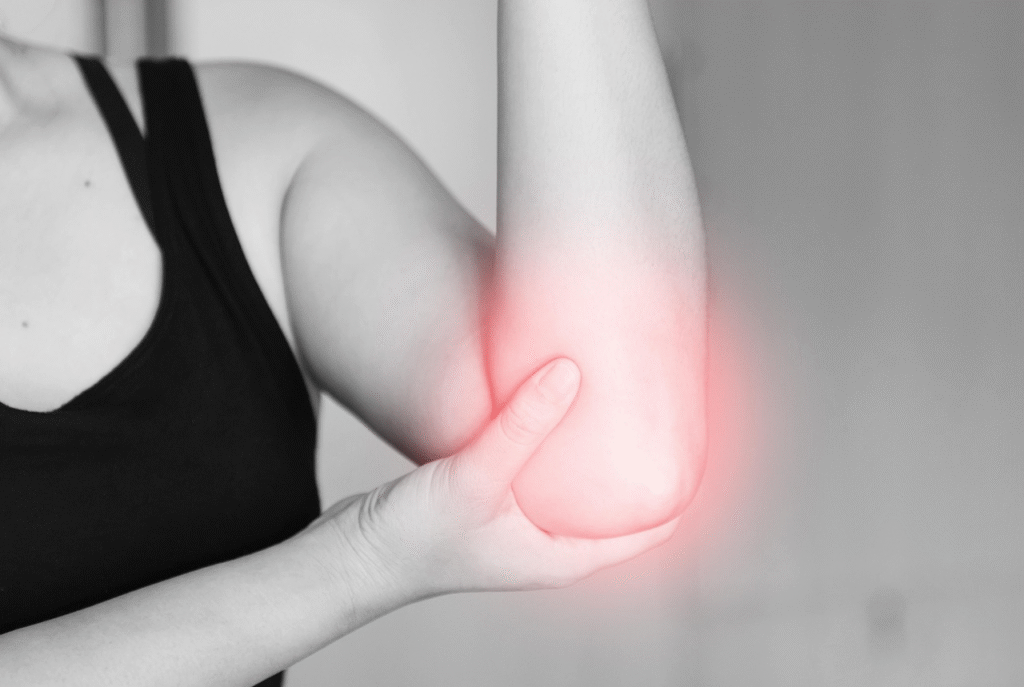
Muscle pain, or myalgia, shows up when muscle fibers are stressed or inflamed. That stress might be mechanical, chemical, or even immune-related. The tricky part is that the same dull ache can come from very different sources, so context matters.
Pain that follows a new routine or heavier load is usually short-lived. Pain with swelling, fever, or sudden weakness points in a different direction. Location, timing, and what makes it better or worse help narrow the list.
Common everyday triggers
The most common cause is delayed onset muscle soreness after new or intense activity. It usually peaks at 24 to 72 hours and fades with light movement and time. Dehydration and low electrolytes can add cramping to the mix.
Work posture is another driver. Long hours at a laptop can overload the neck and shoulders. Weekend chores and yardwork often hit the lower back and hips if you twist while lifting.
When muscle pain points to something bigger
Certain clues raise the stakes. Pain that wakes you at night, drops your strength, or spreads beyond one area deserves closer attention. So do pains after a high-energy injury, like a fall or car crash.
You might start with your primary care doctor. If the pain is tied to a joint problem or a mechanical issue that limits movement, they may point you toward orthopedic surgery in Houston to get a specialist’s view. That does not mean surgery is next, but rather that you will see someone who can match the pain pattern to the right treatment path.
Other red flags include fever, rash, new numbness, or bowel or bladder changes. Those can suggest infection, inflammation, or nerve compression and should not wait.
How clinicians figure out the cause
Good diagnosis starts with a story. A clinician will ask where it hurts, what started it, what eases it, and how it affects your day. They will look for swelling, warmth, strength changes, and limited range of motion.
Imaging is used when findings suggest structural problems. An expert summary from a Texas public retirement system’s health publication notes that MRI gives more detail than standard X-rays for soft tissues like discs, tendons, and ligaments, which helps target the true source of pain. That added detail can prevent guesswork and guide whether therapy, injections, or other care makes sense.
Tests you might see
Basic labs can check for muscle damage or inflammation when symptoms suggest it. Nerve tests may be used if tingling or weakness dominates the picture. Most everyday strains do not need high-level imaging or advanced tests.
Short-term relief that actually helps
- Keep moving within comfort. A gentle range of motion prevents stiffness and speeds blood flow.
- Use ice for hot, swollen areas and heat for stiff, tight muscles.
- Try over-the-counter pain relievers as directed if you can safely take them.
- Add short walking breaks each hour during desk work.
- Elevate and compress if there is mild swelling.
- Sleep 7 to 9 hours to fuel muscle repair.
Topicals can be a bridge on sore spots. Light stretching after a warm shower often helps more than aggressive pulling on cold muscles. If pain spikes with any step, scale back and retry later.
Training smarter to prevent soreness
Progress in small steps. Follow the 10 percent rule to raise distance, load, or time. Mix hard and easy days so tissues adapt. Strength work for the hips, core, and shoulder blades protects common weak links.
Technique beats intensity. Learn hinge patterns for lifting and keep loads close to your body. For runners, shorter strides and a higher cadence can ease the hit on knees and shins. Cross-training builds capacity without overloading one system.
Desk setup that saves your neck
Keep the monitor at eye level, elbows near 90 degrees, and feet flat. Use a chair that supports the low back curve. Set a timer to stand, breathe, and move every 45 to 60 minutes.
When infection or illness is involved
Sometimes muscle pain is not about the gym or the yard. It can be part of a bigger health story. A federal public health resource explains that certain long-lasting conditions can follow infections and lead to deep tiredness and widespread pain that is out of proportion to activity. In those cases, pacing, sleep, and graded activity plans help more than simple rest.
If your pain comes with fevers or a recent illness, tell your clinician. They may check inflammatory markers or rule out rare muscle disorders. Early attention keeps a short-term infection from turning into a long-term setback.
Your next steps if pain lingers
- Track your symptoms for 1 to 2 weeks. Note time of day, triggers, and what helps.
- Start with simple care: gentle motion, heat or ice, and activity changes.
- If pain limits daily tasks or lasts beyond 2 to 4 weeks, book a clinical visit.
- Ask about physical therapy goals and a timeline to reassess progress.
- Seek urgent care for red flags like sudden weakness, fever, loss of bladder control, or severe trauma.
A small set of tools can make day-to-day care easier. Think reusable ice packs, a microwavable heat wrap, a basic foam roller, and a tennis ball for gentle trigger point work. Add a notebook to track what helps so you can repeat the wins and drop what does not.
How stress and sleep shape muscle pain
Stress turns up the volume on pain signals and keeps muscles slightly tensed. Poor sleep slows tissue repair and makes everyday aches feel sharper. Calming routines, brief mindfulness, and a steady sleep schedule can lower baseline tension so muscles get a real chance to recover.
Lasting relief rarely comes from one move. It comes from steady habits, smart training jumps, and attention to warning signs that deserve expert eyes. With a clear plan and small daily steps, most people can reduce flare-ups and get back to the activities that matter.
Other Articles You May Find of Interest...
- Decoding the Alvarado Score for Accurate Appendicitis Diagnosis
- Relieving Bottom Skull Pain: Causes and Effective Solutions
- Healing Tendinosis: Effective Strategies for Recovery and Relief
- Improve Posture and Relieve Neck Pain with These Easy Steps
- The Surprising Reasons Behind That Heavy Feeling in Your Body
- Relieving Discomfort: Discovering Causes of Pain at the Base of the Skull
- Effective Strategies for Elbow Bursitis Treatment and Relief



