






More Pain Management & Rehabilitation Articles
Relief Strategies for Outer Thigh Pain That Really Work
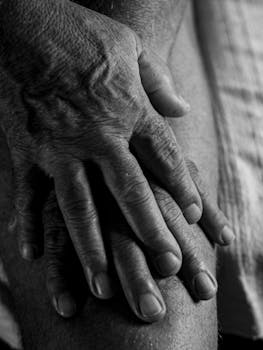
If you’re experiencing outer thigh pain, you’re not alone. This discomfort can significantly impact your daily life and mobility. In this article, we’ll explore effective relief strategies and provide insights into potential causes and treatments. Understanding the reasons behind outer thigh pain can help you take proactive steps toward alleviating it.
Common Causes of Outer Thigh Pain
Outer thigh pain can result from various factors, such as muscle strains, injuries, or underlying conditions like sciatica or bursitis. Muscle strains often occur due to overuse or sudden movements, while sciatica is caused by irritation of the sciatic nerve. Bursitis, on the other hand, is an inflammation of the bursae, the small sacs that cushion the bones, tendons, and muscles.
Effective Relief Strategies for Outer Thigh Pain
Finding long-term relief from outer thigh pain often involves a combination of strategies. Here’s a look at some methods that may help:
1. Rest and Ice Therapy
Giving your thighs adequate rest after any strenuous activity can prevent further damage. Applying ice to the affected area for 15-20 minutes every few hours can reduce inflammation and pain.
2. Stretching and Strengthening Exercises
Engaging in targeted exercises can help alleviate tension in your outer thigh muscles. Incorporate gentle stretches and strengthening routines that focus on flexibility and stability. Consider consulting a physical therapist for personalized exercise plans.
3. Over-the-Counter Pain Relief
Non-prescription medications, like acetaminophen or ibuprofen, may offer temporary pain relief. However, it’s essential to use them as directed and discuss with a healthcare provider if pain persists.
4. Lifestyle Modifications
Making lifestyle changes can have a significant impact on managing outer thigh pain. Explore how lifestyle choices influence overall health and adopt habits that support muscular and joint well-being.
5. Consult a Healthcare Professional
If your pain is severe or persistent, it’s crucial to seek medical advice. A healthcare professional can conduct an evaluation, determine underlying causes, and recommend appropriate treatments.
Long-Term Management of Outer Thigh Pain
For chronic outer thigh pain, adopting a comprehensive management plan is key. This plan may include regular strength training, maintaining a healthy weight to reduce stress on your thighs, and integrating relaxation techniques like yoga or meditation.
Understanding the source of your outer thigh pain is the first step toward effective management. By combining rest, exercises, and professional guidance, you can find relief and improve your mobility.
For further reading on general health, visit this resource.
Conclusion
Outer thigh pain can disrupt your life but don’t let it limit you. Identifying the underlying causes and implementing effective relief strategies can make all the difference. Always consider consulting with a healthcare provider for a tailored approach to your pain management.
- Identify potential causes of your outer thigh pain.
- Incorporate rest, ice, and exercise into your routine.
- Consider lifestyle changes for long-term relief and prevention.
- Consult healthcare professionals for personalized advice.
- Stay informed with credible health resources.
FAQs
What are the common causes of outer thigh pain?
Common causes include muscle strains, sciatica, and bursitis. It’s essential to identify the specific cause to address the pain effectively.
How can stretching help with outer thigh pain?
Stretching can reduce muscle tension and increase flexibility, which may alleviate pain and prevent future injuries.
When should I see a doctor about my outer thigh pain?
If the pain is severe, persistent, or accompanied by other symptoms, consulting a healthcare professional is advisable for a proper diagnosis and treatment plan.
Are there any exercises to avoid with outer thigh pain?
Avoid activities that exacerbate pain or strain the affected area, and focus on low-impact exercises. Consult a physical therapist for tailored advice.
Can lifestyle changes improve outer thigh pain?
Yes, maintaining a healthy weight, staying active, and incorporating relaxation techniques can support overall joint and muscle health, potentially reducing pain.
Other Articles You May Find of Interest...
- Exploring the Ligamentum Iliofemorale: Key Functions and Health Implications
- Cervical Pain Relief: What Does the ICD 10 Code for Cervicalgia Indicate?
- How Does 15 mg Meloxicam Compare to Ibuprofen?
- 3 New Wearable Tools for Natural Chronic Pain Relief
- Knee Pain While Walking: Causes and Solutions Explained
- Effective Strategies for Peroneal Tendonitis Treatment and Remedies
- Navigating Post-Operative Pain: A Guide to ICD-10 Codes




