






More Pain Management & Rehabilitation Articles
Navigating Life After Surgery: Overcoming Postlaminectomy Syndrome
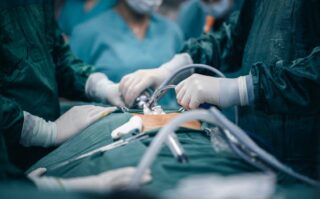
Recovering from surgery can be a challenging process, especially if you’re dealing with postlaminectomy syndrome. This condition, which some patients experience after undergoing back surgery, can present a unique set of challenges on the path to recovery and a return to daily activities. Understanding the syndrome, its causes, and how to manage it effectively is essential for improving quality of life and navigating the journey toward wellness.
Understanding Postlaminectomy Syndrome
Postlaminectomy syndrome, often referred to as failed back surgery syndrome, occurs when patients experience persistent pain after spinal surgery intended to relieve back pain. The exact causes can vary, but it often involves changes to the anatomy of the spine that alter its natural balance or result in scar tissue. This condition can be frustrating for those hoping for relief from chronic pain and requires a comprehensive approach to management.
Common symptoms include persistent lower back pain, limited mobility, and, in some cases, pain that radiates into the legs. While the name suggests that failed surgery is the culprit, this isn’t always the case. Sometimes, the spine may not adapt as expected post-surgery, or nerve damage could persist.
Approaches to Managing Postlaminectomy Syndrome
Management of postlaminectomy syndrome typically involves a combination of medical, physical, and psychological interventions tailored to the individual’s unique situation. Pain management is often a top priority, and options may include medications, physical therapy, and possibly additional surgical interventions. Importantly, each approach should be customized, as different patients will respond differently to various treatments.
Physical Therapy and Rehabilitation
Physical therapy can be a cornerstone of recovery after surgery. A structured rehabilitation program may help improve mobility, strengthen the muscles surrounding the spine, and reduce pain. Exercises designed to enhance core strength and flexibility can be particularly beneficial, especially when combined with other treatments.
Additionally, learning proper techniques for lifting, bending, and other daily movements can help prevent further injury and preserve spine health. These lifestyle changes are crucial in managing symptoms effectively and enhancing the quality of life. For more on how lifestyle choices impact overall health, explore this detailed guide.
Medications and Alternative Therapies
The use of medications in managing postlaminectomy syndrome should be approached cautiously, as there are potential side effects to consider. Commonly prescribed medications include anti-inflammatory drugs, nerve pain medications, and muscle relaxants. Your healthcare provider can help determine the most appropriate medication plan for your needs.
Complementary and alternative therapies, such as acupuncture, chiropractic care, or massage therapy, may also provide relief. While these therapies may not work for everyone, they are worth discussing with your healthcare provider as part of a holistic approach to managing your condition.
Psychological Support and Coping Strategies
The impact of chronic pain often extends beyond the physical, affecting emotional well-being and mental health. Psychological support, through counseling or therapy, may assist in coping with the emotional challenges associated with postlaminectomy syndrome. Techniques such as cognitive-behavioral therapy can be useful for managing pain perceptions and improving mental resilience.
Developing coping strategies and a solid support network can make a significant difference. Engaging with community groups, both in-person and online, where others share similar experiences, can provide valuable insights and encouragement.
Strategies for Living Well Post-Surgery
Living well after spinal surgery involves a proactive approach to health and wellness. Regular follow-ups with healthcare providers are essential to monitor progress and address any emerging issues promptly. Staying informed about the condition and understanding the potential challenges and interventions is key to managing expectations.
Maintaining a healthy lifestyle that includes a balanced diet, regular physical activity, and adequate rest can support recovery. These elements are critical in ensuring that the body heals optimally and to prevent additional strain on the back.
For a comprehensive overview of health considerations and lifestyle enhancements, refer to external resources such as the informative pages available on Wikipedia.
Conclusion
Dealing with postlaminectomy syndrome can be challenging but understanding and effectively managing it significantly improves outcomes for many. By combining medical treatments, physical therapies, and lifestyle changes, individuals can find paths to relief and improved functionality. While not every treatment will be suitable for everyone, personalized approaches offer the best chance for success.
Takeaways
- Postlaminectomy syndrome involves persistent pain after spinal surgery.
- Management requires a combination of medical, physical, and psychological interventions.
- Physical therapy and proper body mechanics can aid recovery.
- Complementary alternative therapies may offer additional relief.
- Psychological support is vital for managing mental health and pain perception.
What causes postlaminectomy syndrome?
This syndrome can result from various factors, including scar tissue, changes in spinal anatomy, or persistent nerve damage after surgery.
Can postlaminectomy syndrome be cured?
While there is no definitive cure, many treatments can alleviate symptoms and improve quality of life. Management is often ongoing and tailored to the individual’s needs.
How important is physical therapy for recovery?
Physical therapy plays a crucial role in recovery, helping enhance mobility, strengthen supporting muscles, and teach proper body mechanics to prevent further injury.
What kind of support can help me cope with chronic pain?
Support from health professionals, counseling, and peer groups can be invaluable. Cognitive-behavioral therapy and stress-reduction techniques may also help.
How do lifestyle choices affect postlaminectomy syndrome recovery?
Healthy lifestyle choices, such as proper nutrition and regular exercise, support overall recovery and help manage symptoms effectively.
Other Articles You May Find of Interest...
- Managing Health Challenges During Injury Recovery
- Leg Pain at Night: Uncovering the Causes and Solutions
- What You Need to Know About Segond Fractures and Their Impact on Your Health
- Relieve Abdominal Pain Naturally with a Heating Pad
- What Are Insufficiency Fractures and How Can You Prevent Them?
- Top 5 Medical Reasons Knee Surgery May Be Recommended
- Mastering Pain Management: The Benefits of the Popliteal Nerve Block



