






Your Health Magazine
4201 Northview Drive
Suite #102
Bowie, MD 20716
301-805-6805
More Pain Management & Rehabilitation Articles
Managing Health Challenges During Injury Recovery
Waking up after a major injury feels like entering a different world. The physical pain is only one part of the struggle you face. Daily routines change overnight, and simple tasks become massive hurdles. You might feel overwhelmed by medical terms and therapy schedules.
The path is long, but you can navigate it with the right tools. Focus on small wins to stay motivated. Your body needs time to mend, and your mind needs space to adjust to these changes. Staying patient with yourself is a required part of this process.
Setting Realistic Expectations For Healing
Recovery is a journey that requires a lot of mental strength. For those injured in serious auto collisions, finding a new normal is a slow process that involves legal, physical, and emotional work. Small steps forward count as major victories during this time.
It helps to track progress in a daily log. Do not expect to feel better in a single week. Healing happens in waves, where some days feel better than others. It is normal to feel frustrated when progress seems slow. Keep a positive outlook by looking at how far you have come since day 1.
Patience is your best friend when your body is rebuilding itself. You might feel like you are losing time, but rest is a productive part of the process.
Navigating The Physical Therapy Process
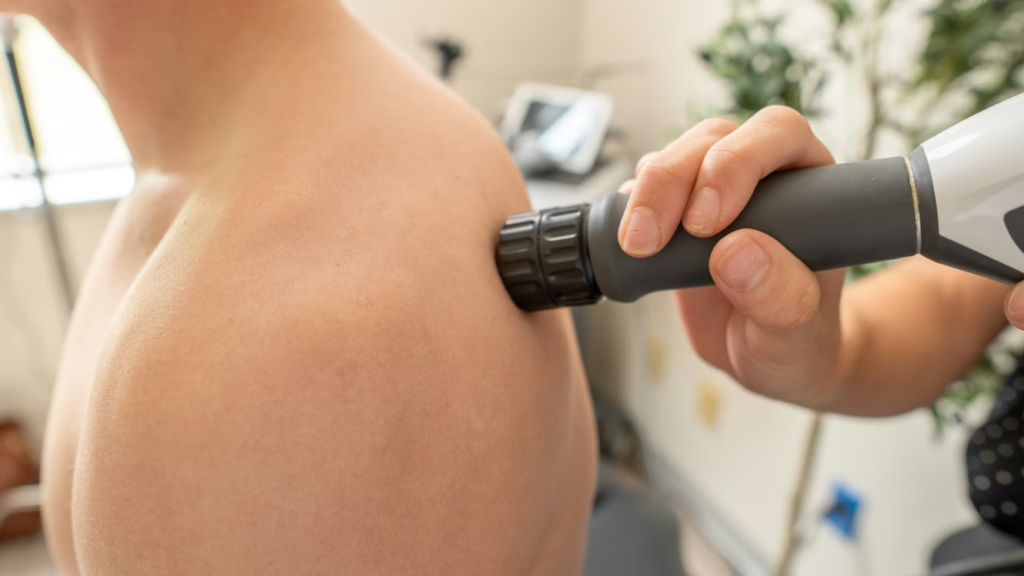
Physical therapy is a cornerstone of getting your strength back. You will spend a lot of time with specialists who push your limits. A regional medical center notes that inpatient rehab helps patients gain independence by scheduling 3 hours of therapy for at least 5 days a week.
It is hard to stay consistent when you feel tired. You must stick to the plan even when it hurts. Working closely with your therapist helps you stay safe during the time you grow stronger.
Giving your full effort to every session is the best way to see results. These professionals understand the mechanics of your injury.
Addressing Psychological Impacts Of Trauma
An injury affects your mind just as much as your bones. Trauma can leave you feeling anxious or sad. It is common to have flashbacks or trouble sleeping after a scary event. Talking to a professional helps you process these feelings.
You should not ignore your mental health during the time you spend fixing physical wounds. Friends and family mean well, but they might not understand your pain. Seeking out a support group connects you with people in similar spots. Sharing your story can be a relief.
Mental clarity helps you stay focused on your physical goals. If you find yourself feeling stuck, try journaling about your fears. Getting thoughts onto paper takes away some of their power. This simple habit can clear the fog that trauma often brings.
Managing Pain Symptoms
Pain is a constant shadow during the early stages of recovery. It can change how you interact with the world. Information from a health library points out that chronic pain often triggers exhaustion and irritability if it stays uncontrolled.
Finding a balance in your pain management plan is key. Work with your doctor to find the right medication or therapy. Some people find relief through heat or ice packs. Others use meditation to calm their nerves.
Do not wait for the pain to become unbearable before asking for help. Catching it early makes it easier to keep your mood stable. Chronic discomfort wears down your willpower. Taking active steps to control it keeps your recovery on the right track.
Understanding Disparities In Healthcare
Not every person has the same experience in the medical system. Statistics show that background and location can change the care you receive. A state safety report mentions that minority groups experience a higher rate of injuries from vehicle crashes.
Access to specialists might vary based on where you live. Advocating for yourself is a must in these situations. Ask questions about your treatment and demand clear answers. If you feel unheard, seek a second opinion.
Everyone deserves a high standard of care regardless of their history. Knowing these gaps exist helps you prepare for potential challenges in the system. Stay informed about your rights as a patient. Clear communication with your providers leads to better outcomes.
Building A Support System At Home
Your home environment plays a huge role in how fast you heal. A messy or cramped space can add to your stress. You need a dedicated spot where you can rest without distractions. Ask friends to help with chores like cooking or cleaning.
- Set up a ground-floor sleeping area.
- Stock up on healthy snacks and water.
- Keep your phone and chargers within reach.
- Use a calendar to track your appointments.
Having a clear plan reduces anxiety for you and your caregivers. People want to help, but they often do not know what you need since you haven’t told them. Be specific about your requests. This makes the whole process smoother for everyone involved.

Dietary Choices For Faster Healing
Food is fuel for your recovery process. Your body needs specific nutrients to repair tissues and skin. Eating a balanced diet gives you the energy to get through physical therapy. Focus on whole foods that provide steady energy throughout the day.
Avoid sugary snacks that cause energy crashes. Certain foods are better for healing than others.
- Lean proteins like chicken or beans.
- Leafy greens for vitamins and minerals.
- Berries for natural antioxidants.
- Healthy fats from nuts or fish.
Drinking plenty of water is just as important as eating well. Plus, hydration keeps your joints moving and your skin healthy. Small changes in your diet can lead to big improvements in your mood. Listen to your body and give it the best fuel possible.
Recovery is a marathon rather than a sprint. You will have good days and bad days but staying consistent is what matters. Lean on your medical team and your loved ones when things get tough. Every bit of effort you put into physical and mental health pays off.
You are stronger than the challenges you are facing right now. Take it one day at a time and celebrate your progress. Your future self will thank you for the hard work you are doing today.
Other Articles You May Find of Interest...
- Managing Health Challenges During Injury Recovery
- Leg Pain at Night: Uncovering the Causes and Solutions
- What You Need to Know About Segond Fractures and Their Impact on Your Health
- Relieve Abdominal Pain Naturally with a Heating Pad
- What Are Insufficiency Fractures and How Can You Prevent Them?
- Top 5 Medical Reasons Knee Surgery May Be Recommended
- Mastering Pain Management: The Benefits of the Popliteal Nerve Block




