






More Pain Management & Rehabilitation Articles
Is It Normal to Ovulate on Day 21 of Your Cycle?
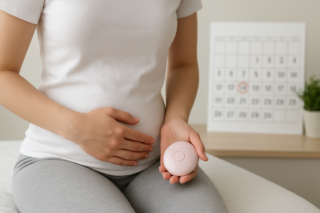
It can be surprising and sometimes a bit concerning if you’ve ovulated on day 21 of your cycle. Many women expect ovulation to occur around day 14, so a later ovulation can raise questions about normalcy and fertility. While day 21 isn’t the common textbook example, variations do exist, and they can be perfectly normal depending on individual cycles and health circumstances.
When Ovulation Happens Later Than Expected
Ovulating on day 21 can be a part of a longer menstrual cycle. Typical cycles last between 21 to 35 days, so ovulation can naturally vary depending on the length of your cycle. Factors like stress, illness, or changes in routine can temporarily alter your ovulation time, leading to a shift in the expected pattern.
Some women have consistently longer cycles due to factors such as hormonal imbalances or underlying health conditions. Polycystic ovary syndrome (PCOS) is one such condition that may cause irregular or delayed ovulation.
What This Means for Fertility
For those trying to conceive, timing can be everything. Ovulation on day 21 doesn’t necessarily mean there’s an issue with fertility, but it can impact timing for conception attempts. Monitoring ovulation through symptoms or ovulation predictor kits can help identify this fertile window accurately.
If you’re concerned about fertility or planning for a baby, it’s beneficial to keep track of your cycle patterns over a few months. This information will be invaluable when consulting a healthcare provider, as it gives a clear picture of your menstrual health.
Understanding Hormonal Influences
Hormones play a big role in the timing and regularity of ovulation. Estrogen and luteinizing hormone (LH) are crucial in triggering ovulation, so any fluctuations can delay it. Stress, diet, exercise, and sleep can all impact hormone levels, thus affecting your cycle timing.
Maintaining a healthy lifestyle with balanced nutrition, regular physical activity, and adequate sleep can support hormonal balance and might encourage a more regular cycle.
When to Seek Care
If ovulating on day 21 is a new occurrence or part of irregular cycles with symptoms like extreme pain, discomfort, or unusual bleeding, it may warrant a visit to a healthcare provider. Gynecologists or endocrinologists are specialists who can evaluate these symptoms and conduct necessary investigations.
Consult a healthcare provider if you’re having difficulty conceiving or if you suspect hormonal imbalances. They can offer guidance on testing and treatment options that may enhance your chances of conceiving if desired.
Affecting Day-to-Day Life
While ovulating on day 21 may seem a minor change, it can influence fertility planning and personal life routines. Understanding and predicting this timing inconsistency can help minimize anxiety around conception efforts and manage expectations.
Tracking menstrual health is an essential habit that can provide insights into overall well-being and identify if a professional consult is needed. Apps and planners can assist with keeping a record of symptoms and cycle lengths, which can be shared with your healthcare provider.
Takeaways
- Ovulating on day 21 is often normal and may correspond with a longer menstrual cycle.
- Monitoring ovulation can assist in planning for conception or understanding menstrual health.
- Hormonal balance, influenced by lifestyle and health, plays a critical role in cycle regularity.
- Consult healthcare providers if experiencing significant cycle changes, discomfort, or infertility concerns.
Common Questions
What should I do if I consistently ovulate late?
If you find that your ovulation occurs later than usual consistently, it might be wise to track it over a few months and consult with a gynecologist. They can help determine if there’s a manageable cause or if it impacts your reproductive health.
What type of provider should I see for ovulation issues?
For ovulation or menstrual cycle concerns, visiting a gynecologist or an endocrinologist is recommended. They specialize in reproductive and hormonal health and can provide you with the most appropriate care.
Can late ovulation affect my chances of conceiving?
While late ovulation might alter the expected timing for conception attempts, it does not necessarily reduce your overall chances of becoming pregnant. Accurate cycle tracking is key to identifying the fertile window.
Is delayed ovulation a sign of a health problem?
Delayed ovulation can be due to several factors including stress, lifestyle changes, or underlying health conditions such as PCOS. A healthcare provider can evaluate if it’s part of a broader health concern.
Can lifestyle changes help regulate my cycle?
Yes, maintaining a balanced diet, regular exercise, reducing stress, and ensuring adequate sleep can support hormonal balance and potentially regulate your menstrual cycle.
Those who have ovulated on day 21 may experience normal cyclical variations, but it’s always a good idea to stay informed and proactive about reproductive health through regular check-ups and healthy lifestyle choices.
Other Articles You May Find of Interest...
- Collarbone Surgery Recovery Time: What to Expect
- Why Joint Pain Often Feels Worse at Night
- Knee Pain With No Clear Cause? Your Joint May Remember an Old Injury
- Which Doctor Should You See for a Pinched Nerve in the Arm?
- 3-Level Cervical Fusion Recovery Time: What to Expect Month by Month
- Stem Cell Therapy Doctors for Knee Arthritis in Los Angeles: What to Look For
- Spinal Adjustments vs. Pain Medication: A Long-Term Thinking Guide for Chronic Back Pain Sufferers





