More Pain Management & Rehabilitation Articles
Important Health Considerations During Injury Recovery
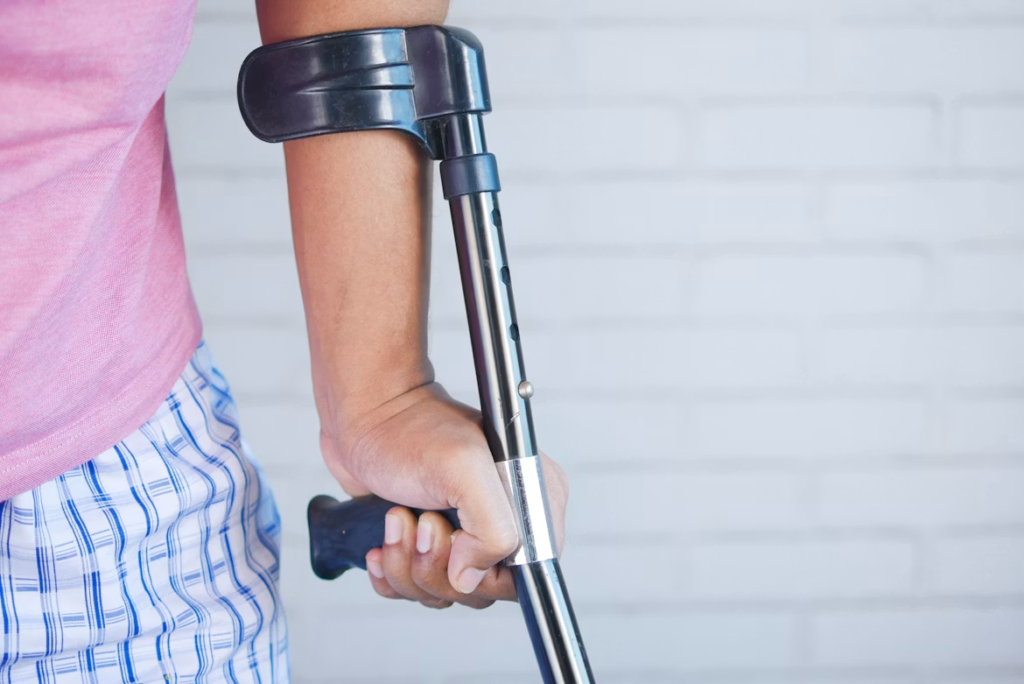
Healing from physical trauma demands a patient approach and a clear understanding of your body. Minor setbacks can occur when you rush the process or ignore professional guidance. Taking care of your physical health requires a mix of proper rest, smart nutrition, and targeted movement.
Every step in your recovery journey impacts how completely your tissues heal. Focusing on proven strategies speeds up your return to normal activities. Staying informed about standard recovery practices keeps you safe and motivated.
Prioritizing Initial Professional Assessment
Getting a complete medical exam right after an accident sets the foundation for your healing plan. A clinical report from a Canadian rehabilitation facility in 2025 showed that comprehensive assessments provide a detailed understanding of health that informs tailored treatment plans for effective recovery. Skipping this step can lead to prolonged pain or long-term complications.
Medical experts use these evaluations to identify hidden issues that might not cause pain immediately. Your care provider relies on these initial findings to build a safe path forward. Following through with prescribed diagnostics guarantees you do not overlook serious trauma. Early detection of internal damage prevents minor symptoms from turning into permanent chronic conditions.
Navigating Legal and Financial Stress After Accidents
Managing stress is just as critical as managing your physical symptoms during this transition. High anxiety levels slow down your body’s natural healing responses. An experienced professional handles legal complexities so you can focus on healing. Reducing financial burdens helps clear a path toward full physical rehabilitation.
Unexpected accidents on busy roads in the Houston metro area often leave residents facing steep medical bills. Recovering from a severe car crash requires professional guidance, so consulting an injury attorney serving Houston and Texas can help you secure compensation for rehabilitation costs. Legal support takes the pressure off your family during a stressful recovery period. This protection allows you to focus purely on physical healing without constant financial worry.
Understanding Common Physical Trauma Types
Physical trauma happens in many environments, from workplaces to recreational fields. Data published by the National Safety Council showed that 4.4 million people were treated in emergency departments for injuries involving sports and recreational equipment in 2024. These numbers highlight how frequently sudden accidents disrupt daily life. Understanding these public health numbers provides perspective on your rehabilitation journey.
Distinguishing Varieties of Tissue Damage
Different types of damage require distinct approaches to healing. An analysis by an amateur sports editor group revealed that sprains and strains account for 41% of all sports injuries diagnosed in 2025. Soft tissue injuries often demand prolonged care to regain full functional strength, and you must avoid movements that aggravate the damage.
Balancing Rest and Early Movement
Finding the right balance between immobility and activity can be challenging. A guide by Entira Family Clinics explained that some rest is key early on, but gentle, guided movement helps keep your body from getting stiff and encourages recovery after injury. Complete bed rest for too long can weaken muscles and slow blood flow. Incorporating small actions under supervision protects your joints.
Controlled activity promotes faster cellular repair than total stillness.
- Active therapy keeps circulation moving to deliver nutrients to damaged areas.
- Light stretching prevents scar tissue from limiting your long-term mobility.
- Monitored exercises rebuild coordination without overloading vulnerable muscles.
Following a professional movement plan prevents reinjury.
Fueling Your Body with Targeted Nutrition
Your body requires extra metabolic energy to rebuild torn muscle and joint tissues. The National Athletic Trainers’ Association recommended that for best results, individuals should consume 20 to 35 grams of leucine-rich protein every three hours during the day and before bed. Amino acids act as the primary materials for repairing muscle fibers.
Skipping meals or eating processed junk foods delays your body’s natural defense systems. Eating regular, nutritious meals supplies glycogen to tired muscle groups. Drinking water supports nutrient delivery by maintaining blood volume. Hydration keeps joints lubricated and decreases cellular inflammation.
Harnessing the Power of Mental Visualization
The mind plays a powerful role in how the physical body responds to rehabilitation. Studies have shown that when we visualize an action and actually perform that action, we stimulate the same regions in our brains. Mental practice keeps neural pathways active even when your limb is pinned in a cast.
Athletes use this technique to maintain motor skills during periods of enforced inactivity. Imagining successful movements can lower anxiety regarding your physical limitations. Focusing on positive healing outcomes creates a disciplined routine. Incorporating daily mental rehearsals keeps you focused on your ultimate healing goals.
Prioritizing Sleep for Cellular Repair
Deep sleep is the time when your body releases growth hormones to repair damaged tissues. A publication by Sheddon Physiotherapy suggested that individuals should aim for 7 to 9 hours of sleep per night to optimize performance and prevent fatigue-related injuries. Cut down on screen time before bed to secure better rest quality. Creating a dark, quiet environment assists your nervous system in settling down.
Resting your mind is just as crucial as resting your limbs.
- Consistent sleep schedules regulate hormone production needed for healing.
- Restful nights reduce sensitivity to chronic pain signals.
- Deep rest stages increase blood supply to wounded muscles.
Giving your brain adequate rest prevents the mental exhaustion that often accompanies physical limitations.
Adapting Long-Term Rehabilitation Plans
Recovery rarely follows a perfectly straight line from start to finish. You might experience days when pain increases or flexibility decreases slightly. Adjusting your daily activities based on these fluctuations protects your progress, and small victories keep you motivated. Tracking milestones week by week provides clear evidence of improvement.
Working closely with therapists allows you to modify exercises as your strength improves. Maintaining open communication with your care team prevents misunderstandings about your physical limits. Rushing into heavy lifting too soon can cause secondary issues that require additional medical care. Patience during these middle rehabilitation stages prevents chronic reinjury down the road.

Reclaiming your health after a severe physical setback requires dedication to these foundational habits. Listening to your medical team and giving your body time to repair prevents long-term setbacks. Small daily choices in your diet, sleep hygiene, and physical activity levels add up to significant physical improvements.
Stay focused on your progress, celebrate small victories, and remain patient with your body. Your commitment to a structured recovery plan paves the way for a return to full strength. Embracing this journey with a positive mindset guarantees a healthier future.
Other Articles You May Find of Interest...
- Collarbone Surgery Recovery Time: What to Expect
- Why Joint Pain Often Feels Worse at Night
- Knee Pain With No Clear Cause? Your Joint May Remember an Old Injury
- Which Doctor Should You See for a Pinched Nerve in the Arm?
- 3-Level Cervical Fusion Recovery Time: What to Expect Month by Month
- Stem Cell Therapy Doctors for Knee Arthritis in Los Angeles: What to Look For
- Spinal Adjustments vs. Pain Medication: A Long-Term Thinking Guide for Chronic Back Pain Sufferers