More Pain Management & Rehabilitation Articles
What a Broken Tailbone Feels Like and How to Recognize It
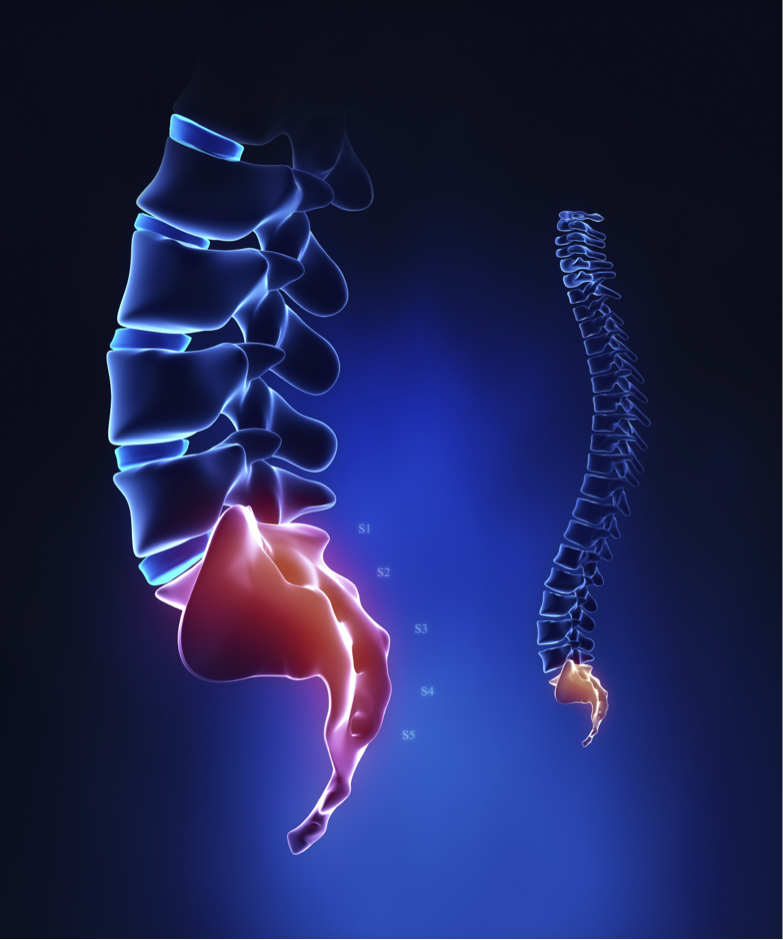
A broken tailbone usually feels like intense pain at the very bottom of the spine, especially when sitting, standing up, or putting pressure on the area. The pain may range from mild discomfort to severe tenderness and can interfere with everyday activities. Recognizing the symptoms early can help you seek appropriate medical care and avoid further complications.
Tailbone injuries are more common than many people realize. They often occur after falls, sports accidents, car crashes, or other impacts that place sudden force on the lower spine. One of the most common signs of a broken tailbone is persistent pain that worsens when sitting or moving from a seated position to standing.
Understanding the symptoms and causes can help determine whether a tailbone injury requires medical attention.
What Is the Tailbone?
The tailbone, also called the coccyx, is a small triangular bone located at the very bottom of the spine.
Although it is small, the tailbone serves several important functions, including:
- Supporting the body while sitting
- Providing attachment points for muscles and ligaments
- Helping maintain balance when seated
Because of its location, the coccyx can be vulnerable to injury during falls and direct impacts.
Common Symptoms of a Broken Tailbone
A broken tailbone can cause several noticeable symptoms.
Severe Pain When Sitting
The most common symptom is pain that becomes worse when sitting, especially on hard surfaces.
Many people find it difficult to
- Sit for extended periods
- Lean backward in a chair
- Drive long distances
- Get comfortable while resting
The discomfort may improve slightly when leaning forward.
Pain When Standing Up
Individuals with a fractured tailbone often experience sharp pain when moving from a seated position to standing.
This movement places pressure on the injured area and can trigger sudden discomfort.
Tenderness and Bruising
The area around the tailbone may become
- Swollen
- Tender to the touch
- Bruised or discolored
These signs are particularly common after falls or direct trauma.
Pain During Certain Activities
A broken tailbone can make everyday activities more difficult.
Pain may increase during:
- Walking
- Bending
- Climbing stairs
- Exercising
- Using the restroom
The severity depends on the extent of the injury.
Common Causes of a Broken Tailbone
Several situations can lead to a tailbone fracture.
Falls
Falling backward onto a hard surface is one of the most common causes.
Examples include:
- Slipping on wet floors
- Falling on ice
- Falling from stairs
- Sports-related falls
Car Accidents
Motor vehicle collisions can place significant force on the lower spine.
In some accidents, the impact causes the body to shift suddenly, resulting in tailbone injuries.
Sports Injuries
Activities such as cycling, skating, skiing, and contact sports may increase the risk of tailbone trauma.
Direct Impacts
Any strong blow to the lower back or buttocks area can potentially fracture the coccyx.
How Is a Broken Tailbone Diagnosed?
A healthcare provider will usually begin with a physical examination and a review of symptoms.
Diagnostic tools may include the following:
- X-rays
- CT scans
- MRI scans in certain cases
These tests help determine whether the tailbone is fractured and whether other injuries are present.
Treatment Options
Most broken tailbone injuries heal without surgery.
Common treatments include:
- Rest
- Ice therapy
- Pain medication
- Special seat cushions
- Limiting activities that worsen pain
Recovery may take several weeks or even a few months depending on the severity of the injury.
When to Seek Medical Attention
You should consider medical evaluation if:
- Pain is severe or worsening.
- You cannot sit comfortably.
- Symptoms persist for several weeks.
- You experience numbness or weakness
- The injury occurred during a significant accident
Prompt medical care can help rule out more serious injuries.
Legal Considerations After an Accident
When a broken tailbone results from a car accident or another incident caused by someone else’s negligence, medical records often become important evidence.
For example, California Vehicle Code § 20008 requires drivers involved in certain injury-related accidents to report the incident to law enforcement. Official reports and medical documentation may later play a role in insurance claims or legal proceedings.
Key Takeaways
- A broken tailbone often causes significant pain when sitting or standing.
- Falls are one of the most common causes of tailbone fractures.
- Bruising, tenderness, and pain during movement are common symptoms.
- X-rays and other imaging tests may help confirm the diagnosis.
- Most tailbone fractures heal with rest and non-surgical treatment.
- Severe or persistent pain should be evaluated by a healthcare professional.
- Medical records and accident reports can be important if the injury resulted from an accident.
- California Vehicle Code § 20008 highlights the importance of reporting certain injury-related vehicle accidents.
Other Articles You May Find of Interest...
- What to Do If You Think You Have a Broken Tailbone
- Closed Reduction With External Fixation: How It Stabilizes a Fracture
- Knee Massager for Muscle Tension Around the Knee What You Need to Know
- What Life Really Looks Like a Year After Spine Surgery
- Gout or Bursitis? Why Joint Swelling Can Look the Same
- Broken Kneecap Recovery: How Long Healing Usually Takes
- The Thumb Grind Test: What Pain During It Can Mean