






Your Health Magazine
4201 Northview Drive
Suite #102
Bowie, MD 20716
301-805-6805
More Pain Management & Rehabilitation Articles
How Stem Cell Clinics Support Regenerative Medicine Treatments
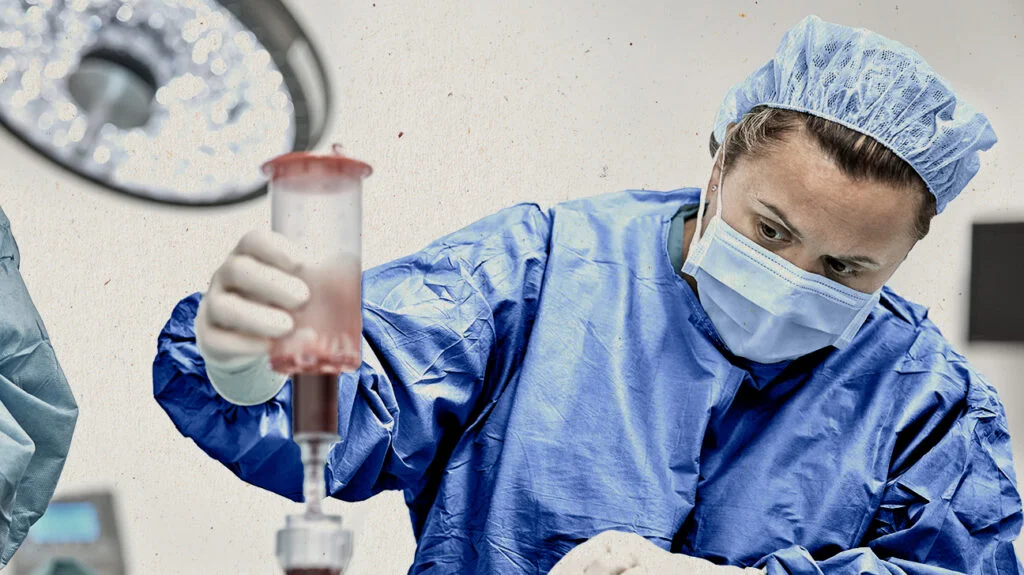
Regenerative medicine is a paradigm shift in the health care sector as it is no longer about management of symptoms but about tissue repair and replenishment. At the vanguard of such revolution rests stem cell therapy which promises hope to conditions that used to be regarded as irreversibly degenerative. Nevertheless, clinic infrastructure, expertise, and adherence to strict guidelines makes the difference when it comes to the quality of stem cell treatments. The realization of the support of regenerative medicine by specialized clinics will help understand that the selection of the facility is of utmost importance to the outcomes of treatment.
Infrastructure and Laboratory Standards

Quality stem cell clinics have elaborate infrastructure to cover all areas of treatment including sourcing of cells, to administration of the patient. These are registered laboratories that are in compliance with FDA registration, cGMP (current Good Manufacturing Practice) and ISO 9001/13485, stringent certifications that guarantee that manufacturing processes follow pharmaceutical grade standards. These certifications do not comprise marketing statements but are government approved documents that show that facilities have sterile environments, quality control systems and manufacturing processes that meet international standards.
Advanced clinics also form alliances with certified cell processing plants where stem cells are grown by expansion of growth media, viability and safety tests and frozen. Prior to any administering of treatment, cells undergo numerous quality control gates that confirm that they comply to strict specifications. This strict testing avoids the provision of compromised cells which would only harm the patients instead of benefiting them.
Cell Sourcing and Transparency Ethically
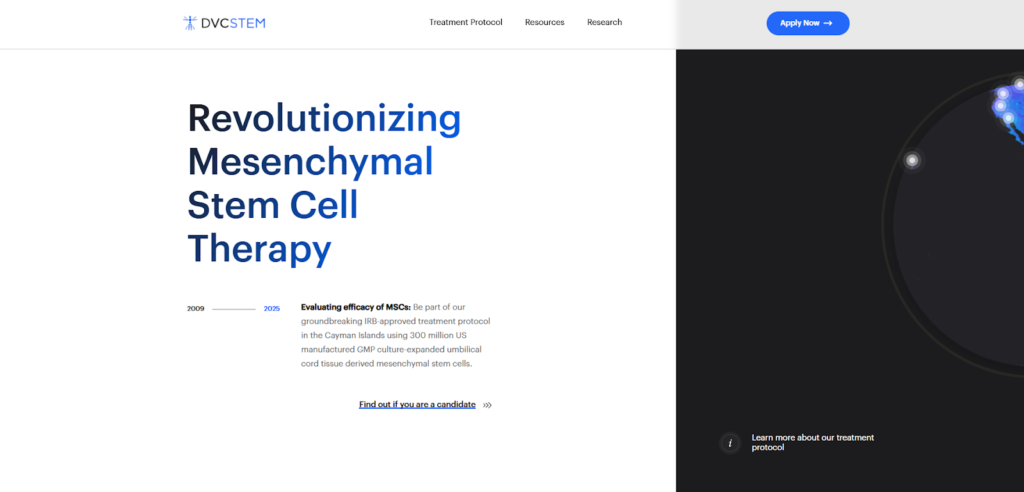
Ethical sources of stem cell-based research are reputable stem cell clinics that obtain their cells through ethically approved and documented sources of cells. The cells employed by a stem cell clinic in the Cayman Islands such as DVC Stem are mesenchymal stem cells derived by using human umbilical cord tissue as the source of the donor cells, which are certified by AATB (American Association of Tissue Banks), full-term, and the source has complete donor screening and informed consent record. This openness is what makes the difference between honest and shamed clinics and those operations that acquire cells via dubious or vague methods.
Ethical sourcing would satisfy patients that their treatment involves the use of cells that were collected in a responsible manner and do not take advantage of vulnerable groups or compromise human rights principles-which is essential in regenerative medicine where the patients must have complete confidence that the treatment they receive is built on utter transparency.
IRB-Approved Treatment Protocols
The main stem cell clinics work on the basis of the protocols approved by the Institutional Review Board (IRB)- the regulatory approval that the treatment protocols comply with the requirements of the ethical standards and scientific rigor. These approvals mandate elaborate records of the treatment operations, safety monitoring, anticipated results and adverse incidence protocols. The control of IRB is what makes the difference between legitimate research-driven clinics and unregulated clinics that make unsubstantiated claims.
States with approved protocols have the specifications of exact cell dosages, administration routes, monitoring schedules, and follow-up procedures. Such standardization makes it possible to achieve the quality of treatment and significant outcome measurement. By following the accepted protocols, clinics help in the increase of scientific knowledge instead of working in the gray areas of the regulatory frameworks.
Extensive Assessment and Surveillance of the Patients
Quality clinics carry out comprehensive assessments of the patient during the admission process, determining candidates who have the highest chances of benefiting the treatment process and screening of contraindications that may jeopardize patient safety. Continued monitoring throughout and post-treatment aid in timely identification of adverse events as well as monitoring the responses to therapy.
Integration of Research and Advancement of Knowledge
State-of-the-art clinics are a part of peer-reviewed studies that increase scientific knowledge of the effectiveness of stem cell therapy, the dosage, and the best use. This integration of research implies that the care provided to the patients contains simultaneous development of medical knowledge useful to the future population.
Patient Education and Realistic Expectations
Well-done clinics offer a patient with all necessary information on understanding real treatment options, possible schedules, and recovery needs. Such transparency averts unrealistic expectations which destroy patient satisfaction even in case of successful treatments.
Conclusion
Regenerative medicine is well beyond the administration of cells, which is what stem cell clinics do. They have pharmaceutical-grade infrastructure, obtain cells in an ethical and transparent way, provide services under regulatory license, perform strict patient assessment, promote progress of the research, and value patient education. Such wholesale promises help to identify the valid regenerative medicine providers as opposed to the practices where the profitability is the primary objective of the procedures, as opposed to patient outcomes. The quality of infrastructure, transparency and regulatory reputation in the clinic that one chooses the stem cell treatment to determine whether the treatment will give you state of the art regenerative medicine or experimental intervention.
Other Articles You May Find of Interest...
- How Stem Cell Clinics Support Regenerative Medicine Treatments
- Common Shoulder Conditions and the Innovative Treatments That Help Patients Heal
- Learning to Look Up Again: My Safe Rehabilitation Journey from Neck Surgery to Normalcy
- Best Sleeping Positions for Back Pain Relief
- What Symptoms With Neck Pain Suggest a Brain Injury?
- Why Neck and Back Pain Are So Common in Modern Lifestyles
- Exploring the Reasons Behind Widespread Joint Pain: Why Do My Joints Hurt?


