More Pain Management & Rehabilitation Articles
After a Blood Draw: What Your Bruises Say About Your Health
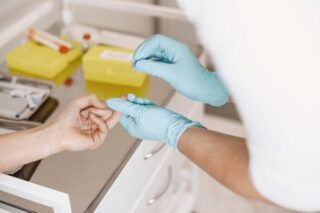
After a blood draw, it’s not uncommon to notice some bruising at the site where the needle was inserted. Many people search for pictures of bruising after blood draw to compare their own experiences and find reassurance. Bruising can look alarming, but it’s usually a normal response to a minor injury incurred during blood collection. Let’s explore why this happens and what your bruising might indicate about your health.
Why Bruises Form After a Blood Draw
A bruise develops when small blood vessels are damaged, allowing blood to leak under the skin. During a blood draw, the needle may inadvertently cause minor damage to these vessels, leading to bruising. Factors like the size of the needle, the skill of the technician, and your own physiology can affect the extent of bruising. Although pictures of bruising after blood draw can vary, mild to moderate bruising is typically harmless and resolves on its own.
Pictures of Bruising After Blood Draw: What They Mean
When observing pictures of bruising after a blood draw, you may notice variations in color and size. Bruises often start as purple or reddish marks and shift to green, yellow, or brown as they heal. A larger bruise or one that spreads may suggest more significant vessel damage, which is still generally not a cause for concern unless accompanied by pain, swelling, or signs of infection.
What Factors Contribute to Bruising?
Several factors can increase the likelihood or severity of bruising after a blood draw. These include age, medications like blood thinners, and conditions affecting blood clotting. Applying pressure to the site immediately after the blood withdrawal and avoiding strenuous use of the arm can reduce bruising.
When to Seek Care
While most bruises after a blood draw are harmless, you should consult a healthcare provider if you experience significant pain, swelling, or signs of infection such as redness and warmth. A hematologist or your primary care physician may be helpful, especially if you have a history of unusual bleeding or bruising. Sudden or unexplained bruising elsewhere on the body warrants immediate attention.
Preventing Bruising After Future Blood Draws
To minimize bruising in future blood draws, communicate with the healthcare professional about any concerns, and inform them of any medications you’re taking. Staying hydrated, applying gentle pressure after the draw, and avoiding heavy lifting with the affected arm can also help.
How Lifestyle Choices Impact Bruising and Recovery
Your lifestyle choices, including diet and exercise, can influence how your body heals from minor injuries like bruising. A balanced diet rich in vitamins and minerals supports healthy blood vessel walls. Regular exercise maintains good circulation, aiding recovery. For more on how lifestyle choices impact your recovery, visit this article on how lifestyle choices impact our overall health.
Common Medications and Their Effects
If you’re taking blood thinners or other medications that affect clotting, you may notice more significant bruising. It is essential to discuss with your doctor whether you should stop or adjust the dose before a scheduled blood draw. Your doctor can guide you to balance the benefits of the medication with the risk of bruising.
Recognizing Normal vs. Abnormal Bruising
Bruises closer to the surface of the skin are often less concerning and heal faster than deeper bruises, which may appear darker and last longer. Monitor the size and feel of your bruise. If it doesn’t improve or you notice additional symptoms, it’s wise to consult a healthcare provider.
Comparing your bruises to pictures available online can be reassuring, but keep in mind that individual cases vary. For more context on bruising and its implications, consider reading the informative resources available at MedlinePlus.
- Bruising after a blood draw is common and typically harmless.
- Inform your healthcare provider if you have significant bruising or pain.
- Certain medications can increase bruising risk.
- Prevent bruising by applying pressure and limiting arm activity.
- Maintain a healthy lifestyle to support faster recovery.
Common Questions
When should I see a doctor about a bruise from a blood draw?
If the bruise is accompanied by severe pain, swelling, or signs of infection like redness and warmth, contact a healthcare provider. Also, seek medical advice if unusual bleeding or bruising appears elsewhere on your body.
What type of provider should evaluate excessive bruising?
A primary care physician can evaluate bruising concerns. In cases requiring further investigation, they may refer you to a hematologist who specializes in blood disorders.
How can I prevent bruising during future blood draws?
Communicate any concerns with the phlebotomist, stay hydrated, and apply pressure to the puncture site. Avoid heavy lifting with the affected arm for the remainder of the day.
Do lifestyle choices influence how easily I bruise?
Yes, your diet and physical activity level impact your body’s healing process. Consuming vitamin-rich foods and maintaining good physical fitness can enhance vascular health and recovery.
What medications can increase my risk of bruising?
Blood thinners, aspirin, and medications affecting platelet function can increase bruising risk. Consult your doctor about managing these medications before blood draws.
Other Articles You May Find of Interest...
- What to Do If You Think You Have a Broken Tailbone
- Closed Reduction With External Fixation: How It Stabilizes a Fracture
- Knee Massager for Muscle Tension Around the Knee What You Need to Know
- What Life Really Looks Like a Year After Spine Surgery
- Gout or Bursitis? Why Joint Swelling Can Look the Same
- Broken Kneecap Recovery: How Long Healing Usually Takes
- The Thumb Grind Test: What Pain During It Can Mean