






More Pain Management & Rehabilitation Articles
Do Muscle Relaxers Lower Blood Pressure? Exploring Their Effects on Hypertension
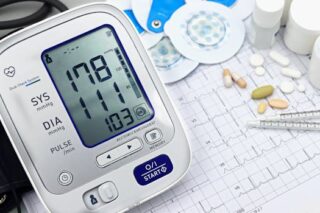
When people consider using medications to manage conditions like back pain or tension, a common query often arises: do muscle relaxers lower blood pressure? This question gains importance especially for individuals who already manage blood pressure levels and are concerned about potential interactions. While muscle relaxers primarily aim to reduce muscle tension and alleviate discomfort, understanding their effects on blood pressure can help in making informed decisions alongside professional advice.
Do Muscle Relaxers Lower Blood Pressure?
Muscle relaxers, also known as skeletal muscle relaxants, are primarily used to relieve muscle spasms or tightness. However, they have been noted to potentially impact blood pressure levels. For a subset of users, these medications may cause a drop in blood pressure, although this is not their primary function. Such an effect can be due to the way these medications alter the transmission of nerve signals or due to their sedative properties. The impact can vary based on the type of muscle relaxer used and the individual’s health profile.
It’s crucial to recognize that while for some individuals, these medications might result in lowered blood pressure, others may not experience any change. Consult with your healthcare provider for tailored advice, especially if you are already managing hypertension.
Muscle Relaxers: Usage and Expectations
When prescribed muscle relaxers, individuals often want to know what to expect in everyday situations. These medications work by causing the muscles to relax, which can lessen pain and discomfort from muscle spasms. Most muscle relaxers are taken orally and have effects that begin shortly after administration.
Common experiences may include drowsiness or sedation, so activities like driving or handling machinery should be undertaken with caution. Additionally, individuals should monitor how they feel, as some may experience dizziness, another potential effect that can indirectly lower blood pressure by causing reduced coordination or fainting when changing positions quickly.
When to Seek Care
If you experience dizziness, unusual fatigue, or weakness after starting a muscle relaxer, it’s essential to contact a healthcare provider. These symptoms could indicate a significant drop in blood pressure or other side effects. A primary care physician or a specialist in internal medicine can evaluate these symptoms and suggest the necessary adjustments in medication or dosage.
Moreover, if you are managing chronic conditions like hypertension, maintaining open communication with your doctor is vital for ensuring that all aspects of your health management plan are considered.
Deciding on Medication: Conversations with Your Doctor
Before initiating any muscle relaxer regimen, engaging in a thorough discussion with your healthcare provider is highly beneficial. Here are some pertinent questions to consider:
- Should I stop my current medication regime before starting a muscle relaxer?
- Are there specific side effects I should watch for related to my blood pressure?
- What are the signs that the dosage may be too high or too low for me?
- How often should I monitor my blood pressure while on this medication?
These discussions can prevent potential complications and promote safe and effective treatment. Explore more about managing health holistically in this comprehensive guide to holistic wellness.
Other Considerations: Lifestyle and Blood Pressure
Beyond medication, lifestyle choices play a crucial role in managing blood pressure. Eating a balanced diet, engaging in regular physical activity, and reducing stress can have substantial benefits. Exploring mind-body practices like yoga or meditation may provide further support alongside medical treatments. These methods are often considered complementary and can be discussed with your healthcare provider to tailor an approach that fits your specific needs.
These approaches can help support overall wellness. If you’re interested in more about the broader implications of health choices, explore resources at Wikipedia’s health section.
Takeaways
- While muscle relaxers can potentially lower blood pressure, effects vary by individual.
- Common side effects such as dizziness can indirectly influence blood pressure levels.
- Consulting with your healthcare provider ensures safe medication use within your existing health plan.
- Lifestyle choices, including diet and exercise, significantly impact blood pressure management.
- Open communication with healthcare professionals is key to optimizing treatment benefits.
Common Questions
When should I see a doctor regarding side effects?
If you experience pronounced dizziness, fatigue, or weakness after beginning a muscle relaxer or if these symptoms worsen, seeking medical advice is strongly advised.
What type of healthcare provider is best suited for managing these effects?
A primary care physician or an internist can adequately address these effects. In some cases, a specialist such as a neurologist or a cardiologist may be consulted for further evaluation.
What measures can help prevent significant drops in blood pressure when using muscle relaxers?
Stay hydrated, monitor your blood pressure regularly, and avoid sudden movements from lying down or sitting to standing. Discussing any persistent symptoms with a doctor ensures they are addressed promptly.
Can muscle relaxers replace my regular hypertension medication?
No, muscle relaxers are not a substitute for hypertension medication. Their effect on blood pressure is often an unintended side effect rather than a therapeutic action.
What should I do if my symptoms worsen or if I have concerns about my medication?
Contact your healthcare provider if symptoms persist or pose concerns. Ensuring clear communication will help manage both muscle tension and hypertension effectively.
Other Articles You May Find of Interest...
- What to Do If You Think You Have a Broken Tailbone
- Closed Reduction With External Fixation: How It Stabilizes a Fracture
- Knee Massager for Muscle Tension Around the Knee What You Need to Know
- What Life Really Looks Like a Year After Spine Surgery
- Gout or Bursitis? Why Joint Swelling Can Look the Same
- Broken Kneecap Recovery: How Long Healing Usually Takes
- The Thumb Grind Test: What Pain During It Can Mean





