






Your Health Magazine Contributor
4201 Northview Drive
Suite 102
Bowie, MD 20716
More Neurology Articles
Why Concussion Symptoms Can Look Different From Person to Person
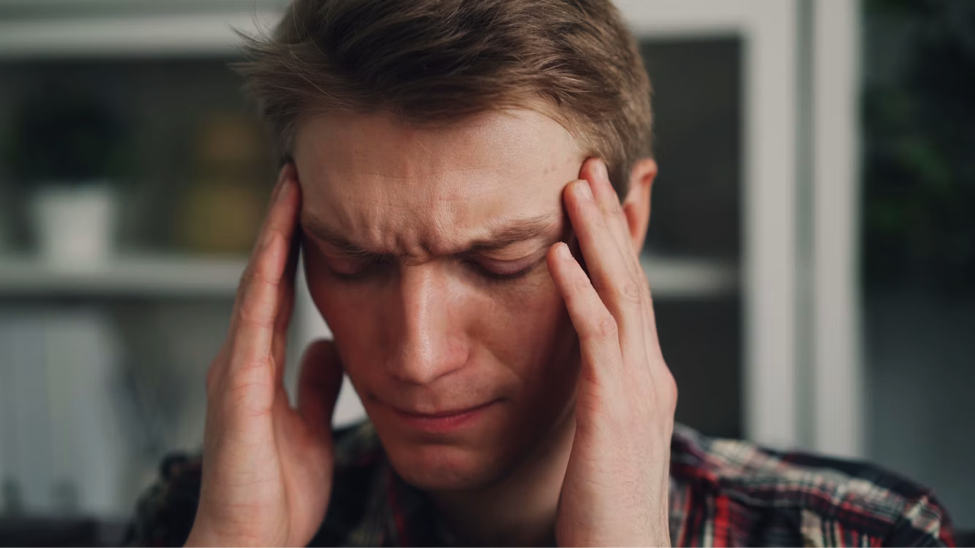
A concussion can affect far more than a person’s ability to think clearly, and two people with similar head injuries may experience very different symptoms. People researching concussion treatment in Illinois can use the Neurologic Wellness Institute concussion page to learn about concussion symptoms, neurological evaluation, and individualized treatment approaches available in Illinois. Understanding why symptoms vary can help patients and families recognize that concussion recovery does not always follow a predictable pattern.
The Brain Does Not Respond to Every Injury the Same Way
A concussion occurs when a force causes the brain to move rapidly within the skull, temporarily disrupting normal brain function. The direction, intensity, and circumstances of that force can influence which neurological systems are affected. This helps explain why one person might develop headaches while another experiences dizziness, visual problems, or difficulty concentrating.
Individual differences in the brain and nervous system can also shape the response to an injury. Age, previous injuries, general health, and other personal factors may influence the symptoms that appear and how noticeable they become. As a result, comparing one person’s concussion experience directly with another person’s can provide an incomplete picture.
Cognitive Symptoms Can Affect Everyday Tasks
Some people experience cognitive changes after a concussion, including difficulty concentrating, slower thinking, forgetfulness, or a feeling commonly described as brain fog. These problems may become especially noticeable while reading, working, studying, or completing tasks that require sustained attention. Someone may feel relatively comfortable while resting but struggle when greater mental effort is required.
Cognitive symptoms can also vary in intensity throughout the day. A person might feel mentally sharp in the morning but notice increasing difficulty concentrating after several hours of activity. Recognizing these patterns can provide useful information when healthcare professionals assess how the injury is affecting everyday function.
Balance and Dizziness Can Become Major Concerns
The brain relies on several systems to maintain balance and understand the body’s position in space. A concussion can disrupt the way information from the eyes, inner ear, muscles, joints, and brain is processed together. When this happens, a person may experience dizziness, unsteadiness, motion sensitivity, or difficulty walking through busy environments.
These symptoms can be very different from the headaches and memory difficulties people often associate with concussion. Grocery stores, crowded rooms, moving vehicles, or rapidly changing visual surroundings may suddenly become uncomfortable. Identifying balance-related problems can help healthcare professionals determine which areas of neurological function deserve closer evaluation.
Vision Problems May Be Easy to Overlook
Vision depends on more than simply being able to see clearly. The brain must coordinate eye movements, focus at different distances, track moving objects, and process large amounts of visual information. Disruption to these functions after a concussion may cause blurred vision, eyestrain, light sensitivity, or difficulty reading.
Visual symptoms can sometimes be mistaken for general fatigue because they often become worse during visually demanding activities. Computer work, reading, driving, or spending time in brightly lit environments may make symptoms more noticeable. A careful assessment can help distinguish visual difficulties from other problems that may produce similar discomfort.
Headaches Can Have Different Characteristics
Headache is a commonly recognized concussion symptom, but the experience is not identical for everyone. Some people describe constant pressure, while others experience intermittent pain or headaches triggered by physical activity, concentration, light, or noise. The location and intensity of the discomfort may also change during recovery.
Different factors can contribute to headaches following an injury, which is another reason symptoms need to be considered individually. Neck strain, sensitivity to sensory input, disrupted sleep, and changes in normal neurological function may all be relevant in certain cases. Understanding the broader symptom pattern can provide more context than considering the headache alone.
Mood and Sleep Can Also Change
A concussion may affect emotional well-being as well as physical and cognitive function. Some people notice increased irritability, anxiety, frustration, sadness, or greater sensitivity to stressful situations during recovery. These changes can be confusing when they appear alongside headaches, fatigue, or concentration problems.
Sleep patterns can change at the same time, with some people sleeping more than usual and others finding it difficult to fall or stay asleep. Poor sleep may then contribute to fatigue, headaches, mood changes, and difficulty concentrating during the day. This overlap can make it challenging to identify one single cause for every symptom a person experiences.
Symptoms May Change During Recovery
Concussion symptoms are not necessarily fixed from the moment the injury occurs. Certain problems may become more obvious when a person returns to work, school, exercise, driving, or other demanding activities. Symptoms can also improve at different rates, meaning one difficulty may resolve while another continues.
This changing pattern is one reason recovery timelines can differ considerably between individuals. Someone who initially struggles with dizziness may later notice that concentration or visual demands have become the greater challenge. Monitoring how symptoms respond to different activities can help provide a clearer picture of progress over time.
Individual Assessment Matters
Because concussions can affect several neurological systems, evaluation often involves more than asking whether someone has a headache. Healthcare professionals may consider balance, coordination, eye movements, cognitive function, physical symptoms, medical history, and the circumstances surrounding the injury. Looking at these areas together can help identify the specific difficulties affecting an individual.
Treatment and rehabilitation can then be guided by the findings of that assessment rather than relying on the assumption that every concussion should be managed identically. Depending on the person’s symptoms and clinical needs, care may address different aspects of neurological and physical function. An individualized approach recognizes that similar injuries can create very different challenges.
Understanding Individual Differences Supports Recovery
Concussions can produce a wide range of physical, cognitive, visual, balance-related, emotional, and sleep symptoms, and no two recovery experiences need to look exactly alike. Differences in the injury itself and in the person affected can influence which symptoms appear, how strongly they are felt, and how long they remain noticeable. Recognizing this variability can help patients, families, and healthcare professionals focus on the individual’s specific symptoms and needs rather than expecting every concussion to follow the same recovery pattern.
Other Articles You May Find of Interest...
- How to Read a Nerve Conduction Study Report
- Can a Tissue Paper Test Detect a CSF Leak?
- What Does Cerebrospinal Fluid Taste Like During a CSF Leak?
- Cervical Laminectomy: A Complete Guide to This Spinal Decompression Surgery
- Why Concussion Symptoms Can Look Different From Person to Person
- The Crushing Fatigue of ALS
- Complex Partial Seizures: Managing Focal Awareness Loss





