






More Neurology Articles
Exploring the Role of the Fornix Brain in Memory and Emotion
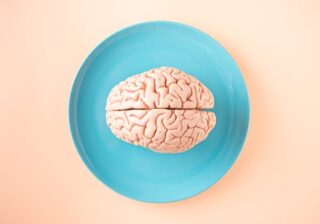
The fornix brain is an integral part of the human brain that plays a pivotal role in both memory and emotion. Understanding its function and importance can offer insights into how our brains process information and maintain emotional balance. This article explores the fornix brain’s anatomy, its role in cognitive functioning, and how it interconnects with other brain regions.
The Fornix Brain: An Anatomical Overview
The fornix, a C-shaped bundle of nerve fibers, forms an important part of the limbic system. Its primary function is to act as a major output tract from the hippocampus. The hippocampus itself is crucial for forming new memories and retrieving long-term ones. The fornix then transmits these memory signals to other parts of the brain, such as the hypothalamus and thalamus.
Additionally, the fornix brain connects to parts involved in processing emotions, highlighting its dual role in both emotional and cognitive realms. This network of connections supports our understanding of memory functions and emotional responses.
Role in Memory Function
The relationship between the fornix and the hippocampus is essential for memory processing. Research suggests that damage or degradation of the fornix can lead to memory disorders, such as amnesia, underscoring its importance in maintaining cognitive health. As scientists delve deeper, they are discovering how vital the fornix is for recalling spatial memory and navigation.
Learning about the effects of fornix degradation helps us better understand conditions like Alzheimer’s disease, where memory loss is a primary symptom. Identifying factors that protect fornix integrity may be key to developing preventive strategies.
Influence on Emotion
While its role in memory is well-documented, the fornix brain also significantly impacts emotional regulation. By transmitting signals between the hippocampus and hypothalamus, the fornix is involved in the body’s stress response, adaptive physiological changes, and emotional processing.
This pathway suggests that disruptions within the fornix may be linked to mood disorders such as depression and anxiety. Studying these connections offers potential pathways for therapeutic interventions aimed at emotional well-being.
Implications for Neurological Disorders
The fornix’s critical role in the brain makes it a target for research into various neurological disorders. Scientists are investigating how preserving fornix function can help delay or manage conditions like dementia. Technological advancements in neuroimaging allow for more precise mapping of the fornix, aiding in early diagnosis and intervention strategies.
Moreover, understanding the fornix’s role can help in developing targeted therapies that enhance cognitive and emotional health. Research in this area is promising, suggesting pathways to support cognitive resilience.
Supporting Brain Health
Protection of the fornix brain and overall brain health can be supported by maintaining a healthy lifestyle. Regular physical activity, a balanced diet rich in omega-3 fatty acids, and cognitive stimulation are recommended to promote brain health.
In addition, addressing brain fog and improving mental clarity through dietary supplements is an area of interest. For those seeking more information on vitamins that support brain health, our article on what vitamins are good for brain fog and memory provides additional insights.
Another important aspect of supporting brain health is managing stress effectively. Techniques such as mindfulness meditation, yoga, and deep-breathing exercises have been shown to bolster emotional regulation, possibly benefiting the fornix’s functions.
Conclusion
In summary, the fornix brain is essential for both memory and emotional regulation. Its connections with the hippocampus underline its critical role in cognitive function, while its links to emotion-processing centers emphasize its importance in emotional health. As we continue to explore the brain’s intricacies, understanding the fornix provides a valuable perspective in maintaining cognitive and emotional health. To learn more about general health information, you can visit the Health section of Wikipedia.
- The fornix is a C-shaped nerve fiber bundle in the brain linked to memory and emotion.
- It plays a key role in transmitting signals associated with memory to various brain regions.
- The fornix impacts emotional regulation by connecting the hippocampus and hypothalamus.
- Damage to the fornix can lead to memory disorders and emotional disturbances.
- Supporting fornix health includes lifestyle practices and attention to cognitive well-being.
What is the fornix brain?
The fornix is a bundle of nerve fibers in the brain that connects the hippocampus to other brain areas, playing a key role in memory and emotion regulation.
How does the fornix influence memory?
The fornix transmits memory-related signals from the hippocampus to other parts of the brain, crucial for forming and retrieving memories.
Can the fornix affect emotions?
Yes, the fornix influences emotions by facilitating communication between regions involved in emotional processing, thus impacting mood regulation.
What happens if the fornix is damaged?
Damage to the fornix can lead to memory impairments and emotional disturbances, highlighting its role in cognitive health.
How can one support fornix brain health?
Supporting fornix health includes maintaining a healthy lifestyle with regular physical activity, a balanced diet, and stress management techniques like mindfulness.
Other Articles You May Find of Interest...
- How to Read a Nerve Conduction Study Report
- Can a Tissue Paper Test Detect a CSF Leak?
- What Does Cerebrospinal Fluid Taste Like During a CSF Leak?
- Cervical Laminectomy: A Complete Guide to This Spinal Decompression Surgery
- Why Concussion Symptoms Can Look Different From Person to Person
- The Crushing Fatigue of ALS
- Complex Partial Seizures: Managing Focal Awareness Loss





