






Your Health Magazine
4201 Northview Drive
Suite #102
Bowie, MD 20716
301-805-6805
More Mental Health Articles
Why Agreeing To Polygraph Test Doesn’t Automatically Signal Honesty
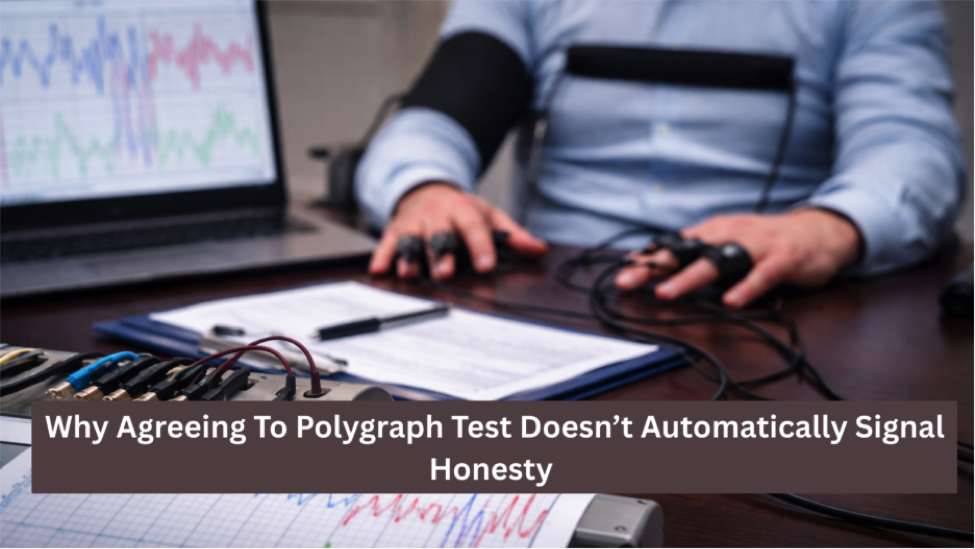
Agreeing to a polygraph can feel like a defining moment. You might think that saying “yes” is proof of confidence, transparency, or a clean conscience.
At the same time, you may be afraid that other people will instantly judge your decision as a sign of being truthful or guilty. This pressure frequently causes confusion, especially when feelings, reputation, or legal outcome are involved.
What most people are not aware of is that the choice to take a polygraph test is based on psychology, strategy, and circumstance — not simply honesty. Understanding these layers helps you understand why consent alone doesn’t tell the full story.
This article gives an explanation as to why agreeing to a polygraph test is not the same as being honest, and what is important if you need to interpret such decisions.
1. Agreement Can Be Strategic Choice, Not A Moral One
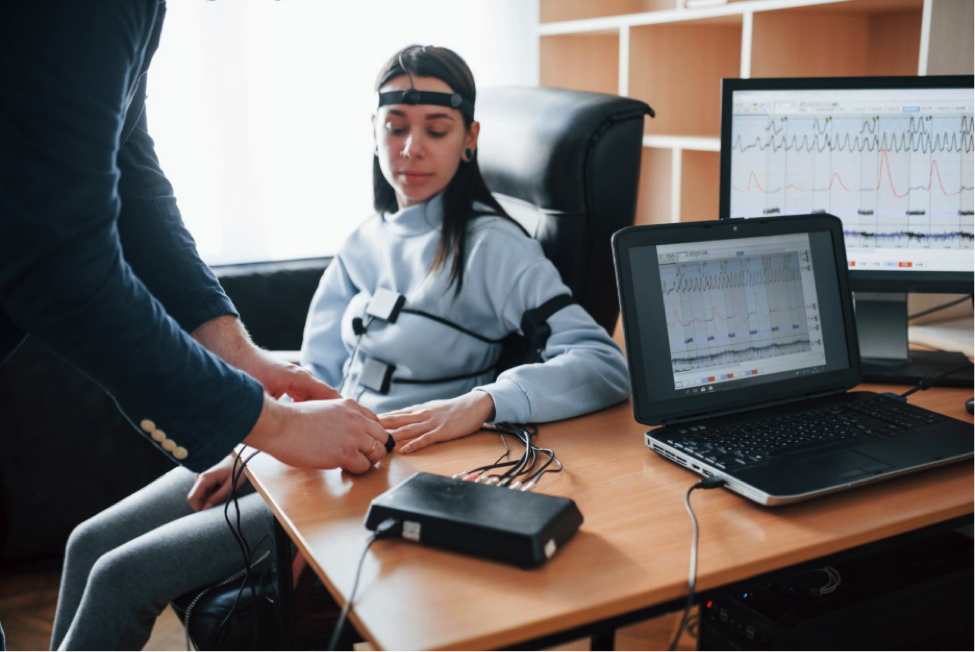
At first sight, a voluntary polygraph test may seem like a bold declaration of truth. However, the reality is more complex. People often consent to testing because they think that it may work in their favor, regardless of whether or not they are being fully truthful.
For example, a person might have an impression that cooperativeness will lead to a positive impression. As a result, agreement becomes a calculated choice and not an ethical statement. In life-and-death situations, perception can be as important as facts.
Moreover, some individuals believe in their ability to remain calm under pressure. Because they think that they can handle their physiological responses, they may confidently agree, although the situation is not entirely straightforward.
Therefore, consent reflects strategy, expectation, or advice – not automatic honesty.
2. Confidence and Deception Can Coexist
Confidence is also often mistaken for credibility. When someone agrees easily and without hesitation, observers can assume that that person has nothing to hide. However, confidence does not necessarily come from being truthful.
In most cases, it comes from preparation or self-belief. Some people are naturally composed and emotionally controlled. As a result, they may feel comfortable in stressful environments, including testing situations.
Additionally, an individual may think that they understand how polygraph testing works and assume that they can control outcomes. This belief – accurate or not – is capable of inspiring confidence that has little to do with honesty itself.
Because of this, confidence should never be used as proof. It is just a behavioral attribute rather than an indicator of truth.
3. External Pressure Often Drives Decision
The other important factor is pressure. People may consent to testing because they may think it could be suspicious if they refuse, even if they have a right to refuse. In such cases, the decision is based on fear of being judged rather than the desire to prove honesty.
For example, an employee, suspect, or applicant may perceive that saying no might result in more questions than saying yes. As a result, consent becomes a defensive action to retain reputation or opportunity.
In addition, the decisions can be affected by authority figures or circumstances. When the stakes are high, people often choose the path that seems least damaging in the moment. Thus, agreement may reflect social or professional pressure as opposed to truthfulness.
4. Misunderstanding How Polygraphs Work
Many people agree to being tested because they misunderstand what the polygraphs actually measure. A common presumption is that the test directly detects lies. In reality, it measures physiological responses such as heart rate, breathing, and skin conductivity.
Because of this misunderstanding, a person may be under the illusion that honesty always results in a favorable outcome, or they may think that dishonesty can be covered if they keep calm. Both assumptions make the process overly simplified.
As a result, agreement may be based on incomplete or incorrect information. The decision is then influenced by perception, rather than a good understanding of how responses are judged. This misconception also contributes to the further weakening of the concept that consent equates to honesty.
5. Emotional Control Influences Willingness
Some people are very conscious of how they react emotionally and physically. They may feel they can manage stress, anxiety, or nervousness when questioned. This sense of control can make agreeing to testing seem manageable regardless of truthfulness.
On the other hand, highly honest people who easily get anxious may hesitate or decline because they fear the natural stress response will be misinterpreted. In this way, honest people may seem suspicious, whereas dishonest but composed people may seem confident.
Therefore, willingness can often reflect emotional regulation skills and not integrity. This contrast clearly illustrates the reason agreement cannot be taken as a benchmark of credibility.
6. Trained Examiners Focus on Patterns, Not Consent
Professionally conducted polygraph examinations are not based on willingness alone. Instead, trained examiners resort to structured interviews, baseline measures, and response patterns.
Agreement is only just the starting point. What matters more is consistency, physiological change, and contextual behavior throughout the process. Examiners know that people agree for a multitude of reasons, and these reasons include advice, pressure, or misplaced confidence.
Due to this, consent is never treated as proof. It is only one part of a much wider evaluative frame. This professional approach helps defuse false assumptions and improves the level of interpretation.
Conclusion
Agreeing to a polygraph test may appear to be a strong indication of truthfulness, but the truth is much more grey. Decisions are influenced by strategy, pressure, confidence, misunderstanding, and emotional control. While willingness can make a difference in perception, it is not the truth.
Understanding this distinction is helpful in terms of understanding and interpreting such situations. Ultimately, honesty is not a measure of agreement – it takes careful evaluation of behavior, responses, and the context together.
Other Articles You May Find of Interest...
- Recognizing the Signs: When Anxiety Becomes More Than Just Worry
- Understanding Attachment Styles and Their Impact on Relationship Health
- Navigating Lexapro Use During Pregnancy: Essential Insights for Expecting Mothers
- Recognizing and Addressing Suicidal Ideation: Insights on ICD 10 Codes
- Navigating the Complexities of ADHD and Bipolar Disorder
- Effective Strategies for Safely Weaning Off Zoloft
- How Applied Behavior Analysis Supports Long-Term Skill Development in Children



