More Mental Health Articles
What Is the Optimal Propranolol Dose for Managing Anxiety?
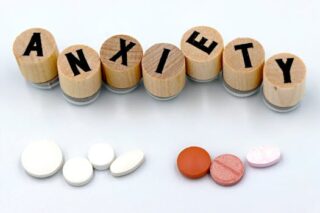
If you’ve ever felt your heart racing, hands shaking, and mind spiraling before a big event or presentation, you’re not alone. Many people grapple with anxiety, turning to various treatments for relief. Among these treatments is propranolol, a beta-blocker often prescribed for heart conditions, which also finds use in managing anxiety symptoms. Understanding the optimal propranolol dose for anxiety can help you approach this medication with a clearer perspective.
Finding the Right Propranolol Dose for Anxiety
Propranolol works by blocking certain receptors in the body, reducing the physical symptoms of anxiety like a racing heart and trembling hands. But determining the right propranolol dosage for anxiety requires a personalized approach. While some individuals may experience relief with a lower dose, others may need a higher dose to find the desired effect. It’s crucial to work alongside a healthcare provider to tailor the treatment plan to your specific needs.
Factors Influencing the Dosage
The appropriate dosage of propranolol for anxiety can vary based on several factors, including age, weight, overall health, and the severity of anxiety symptoms. The max dose of propranolol in 24 hours for anxiety is usually set by a healthcare professional, and it’s essential to adhere strictly to the prescribed limits to avoid potential side effects.
Potential Side Effects and Day-to-Day Expectations
When starting propranolol, some individuals may notice side effects like fatigue, dizziness, or stomach upset. These symptoms often diminish as the body adjusts to the medication. It’s important to monitor any new or worsening symptoms and discuss them with your doctor. Your clinician can help determine whether the propranolol dosage for anxiety is appropriate or needs adjustment.
Combining Propranolol with Other Medications
For some, propranolol may be used alongside other treatments like therapy or other medications. If you’re currently taking anxiety medications, consult with your healthcare provider before starting propranolol. Understanding whether you need to stop your current medication, and how the two might interact, is crucial for safety and efficacy.
When to Seek Care
If you experience persistent or worsening symptoms of anxiety despite taking propranolol, it may be time to seek further evaluation. Consulting a mental health professional, such as a psychiatrist or a psychologist, can provide additional support and treatment options. Additionally, if you experience severe side effects or suspect your dose is too high, reach out to your healthcare provider promptly.
Propranolol can impact daily activities, from social interactions to work performance, by reducing the physical manifestations of anxiety. However, personalized medical advice is essential for safe and effective treatment.
For those interested in new treatments for mental health conditions like OCD, check out our article on exploring new therapies for OCD.
Alternatives and Lifestyle Considerations
While propranolol may be an effective option for some, others might prefer non-medication approaches. Techniques such as cognitive-behavioral therapy (CBT), mindfulness, and exercise can also contribute to managing anxiety. Discuss with your healthcare provider to explore which options align best with your lifestyle and medical needs.
Common Questions
Is it safe to take propranolol daily for anxiety?
Taking propranolol daily is generally considered safe when taken as prescribed. Your doctor will help determine the right dose, keeping in mind any other medications or health conditions you have.
What type of healthcare provider manages anxiety treatment?
Anxiety can be managed by a range of healthcare providers including primary care physicians, psychiatrists, and psychologists. They can work with you to create a comprehensive treatment plan that may include medications like propranolol.
Can propranolol be stopped abruptly?
It is generally not recommended to stop propranolol suddenly, as it can lead to withdrawal symptoms or a rebound in anxiety symptoms. Consult your healthcare provider for guidance on how to safely taper off the medication.
What symptoms indicate my propranolol dose might be too high?
If you experience severe fatigue, lightheadedness, or bradycardia (slow heart rate), your dose might be too high. Contact your healthcare provider to evaluate your symptoms and adjust your dosage as needed.
Are there any lifestyle changes that can complement propranolol use?
Complementing propranolol with lifestyle changes like stress management techniques, adequate sleep, and regular exercise can enhance its effectiveness. Always discuss lifestyle changes with your healthcare provider to ensure they align with your treatment plan.
For more in-depth information about anxiety and treatment options, you may visit MedlinePlus. Their resources offer valuable insights into managing anxiety and medications like propranolol.
- The optimal propranolol dose for anxiety varies per individual.
- Consult with a doctor to establish a personalized dosage plan.
- Be aware of potential side effects when starting the medication.
- Seek professional advice before combining propranolol with other drugs.
- Lifestyle changes can complement the use of propranolol in managing anxiety.
In conclusion, working closely with your healthcare provider to find the right propranolol dose for anxiety is essential in managing symptoms effectively. Addressing any concerns or side effects with a professional can optimize your treatment experience. For more information on related therapies, explore articles like our guide to new therapies for OCD.
Other Articles You May Find of Interest...
- Why Your Mental Wellness Routine Should Integrate Exercise
- How to Protect Your Mental Health After Losing a Pet
- The Hidden Link Between Blood Sugar and Anxiety: What Continuous Glucose Monitors Reveal
- Why a Gradual, Clinician-Guided Approach to Methylfolate May Matter
- Breaking the Stigma Around Mental Health and Seeking Professional Support
- Complex PTSD vs. PTSD: The Differences That Can Change Your Treatment
- When Talk Therapy Isn’t Enough: Understanding More Intensive Treatment for OCD