






Your Health Magazine
4201 Northview Drive
Suite #102
Bowie, MD 20716
301-805-6805
More Mental Health Articles
The Role of Therapy in Recovery After Stroke or Brain Injury
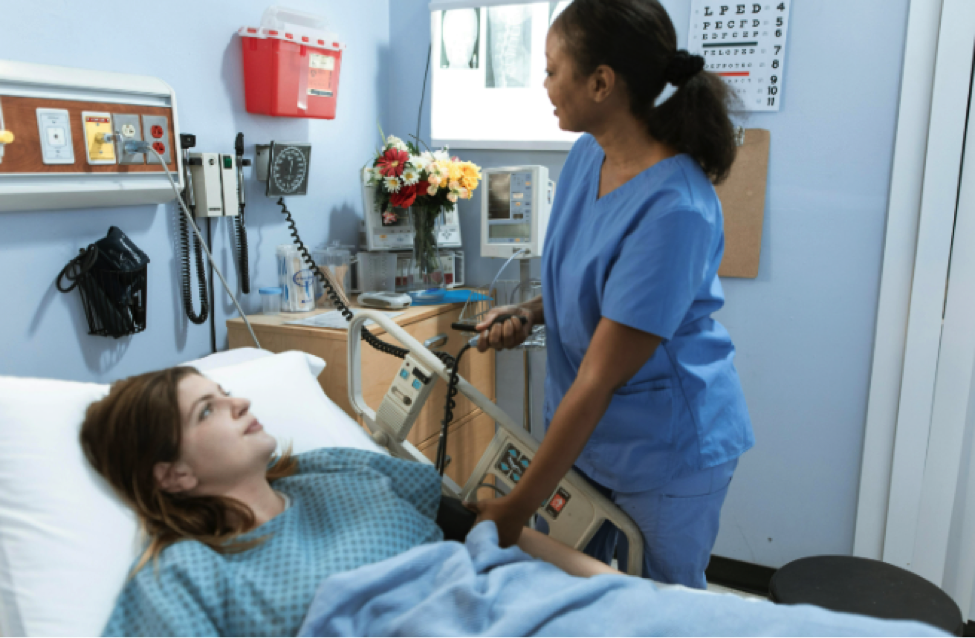
A stroke or brain injury can turn everyday life upside down without warning. Many people wake up in the hospital feeling confused, scared, and unsure of what comes next. Simple things like speaking clearly, lifting an arm, or remembering a familiar name may suddenly feel difficult. Families often face the same questions: Will things get better? How long will recovery take? Where do we even start? This is where therapy becomes so important. Recovery is not just about healing the brain, but also about relearning skills step by step. With the right therapy support, many survivors make real progress over time and regain more independence than they first expected.
Why Brain Injuries Change Daily Life
The brain controls how we move, speak, think, and manage everyday tasks. When a stroke or brain injury damages certain areas, even simple routines can suddenly become difficult. Someone may struggle to walk safely, use their hands, remember familiar information, or find the right words in conversation. Because these changes can affect many parts of life at once, recovery often requires more than one type of therapy. Physical therapy helps rebuild strength and balance, occupational therapy supports daily activities like dressing or eating, and speech therapy focuses on communication and swallowing. This is why many people look up occupational therapy vs speech language pathology to understand how different therapies can help during recovery. With the right support, survivors can slowly regain skills and feel more confident in daily life again.
Rehab Often Starts Sooner Than People Think
Many people assume therapy begins weeks after a stroke or brain injury, but it often starts while the person is still in the hospital. Early rehab focuses on small but important steps, such as sitting up safely, moving limbs, or practicing basic communication. Starting early can prevent problems like muscle stiffness or loss of strength. It also helps patients feel more involved in their own recovery. Therapists meet survivors where they are, even if progress feels slow at first. These early sessions set the foundation for long-term improvement. The first stage of rehab often brings reassurance and direction during a very uncertain time.
Physical Therapy Helps Rebuild Strength and Movement
Physical therapy plays a major role in helping survivors regain control of their body. After a stroke or brain injury, muscles may feel weak, tight, or hard to move. A physical therapist helps patients practice safe movements that improve balance, strength, and coordination. This may include learning how to stand, walk, or transfer from a bed to a chair. The goal is not just exercise, but helping the person move with more confidence in daily life. Physical therapy also reduces the risk of falls and supports long-term mobility. Over time, steady practice can lead to meaningful progress.
Occupational Therapy Focuses on Everyday Skills
Occupational therapy helps people return to the daily activities that give life structure and independence. After a stroke or brain injury, tasks like dressing, brushing teeth, cooking, or writing can become difficult. Occupational therapists work with patients to rebuild these skills in practical ways. They may help improve hand strength, coordination, and problem-solving during routine tasks. They also suggest tools or home changes that make activities safer and easier. Occupational therapy focuses on what matters most to the person’s daily life, not just clinical goals. This type of therapy often helps survivors feel more capable and in control again.
Speech Therapy Supports Communication and Safe Swallowing
Speech therapy helps survivors who struggle with speaking, understanding, or swallowing after a brain injury. A speech-language pathologist works with patients to improve clarity of speech, build language skills, and support communication in everyday situations. Some people know what they want to say but cannot find the right words. Others may have trouble following conversations. Speech therapy also addresses swallowing problems, which can happen after a stroke and may affect safe eating and drinking. Therapy focuses on practical progress, such as expressing needs, connecting with loved ones, and staying safe during meals. These improvements can greatly affect the quality of life.
Therapy for Memory and Thinking Challenges
Stroke and brain injuries do not only affect movement or speech. Many survivors also notice changes in memory, attention, or problem-solving. Some people struggle to stay focused, follow instructions, or manage simple tasks like paying bills. Cognitive therapy helps patients rebuild these skills through guided practice and everyday strategies. A therapist may work on planning routines, improving recall, or reducing confusion during conversations. Progress often happens slowly, but small improvements can make daily life much easier. Cognitive therapy also helps survivors understand their limits without feeling discouraged. With support, many people learn practical ways to manage mental fatigue and stay more independent.
Emotional Healing During Recovery Matters
Recovery is not only physical. Many survivors face emotional changes after a stroke or brain injury. Feelings of frustration, anxiety, sadness, or anger are common, especially when progress feels slow. Some people also experience mood swings or changes in personality because of how the brain was affected. Emotional support becomes an important part of rehabilitation. Counseling, support groups, and mental health care can help survivors cope and stay motivated. Therapists also encourage patients to set realistic goals and celebrate small wins. When emotional health improves, people often feel more engaged in therapy and more hopeful about long-term recovery.
Family Support Makes Rehab Stronger
Family members and caregivers play a major role in stroke recovery. Therapy sessions may only last a few hours each week, but healing continues at home every day. Loved ones can help by encouraging practice, supporting routines, and learning how to assist safely. Many rehab programs also teach families how to communicate clearly, prevent falls, and create a supportive environment. At the same time, caregivers need support too. The role can feel exhausting without breaks or guidance. When families stay involved and informed, survivors often feel less alone. Strong support at home can improve confidence and help recovery feel more manageable.
Therapy plays a central role in recovery after a stroke or brain injury. It helps people regain movement, improve communication, rebuild daily skills, and manage emotional and cognitive changes. Recovery looks different for every person, but consistent support makes a real difference over time. Physical, occupational, and speech therapy each address specific needs, while long-term rehab helps survivors adjust and keep progressing. Families also play an important part by offering encouragement and structure outside of sessions. Although the journey can feel challenging, many survivors find steady improvement step by step. With the right care team, recovery can lead to greater independence and a better quality of life.
Other Articles You May Find of Interest...
- When Anxiety Becomes Anxiety Disorder?
- The Role of Therapy in Recovery After Stroke or Brain Injury
- Spotting the Signs: When to Consider Autism Testing for Your Child
- When Mental Health Care Becomes a Practical Decision, Not a Crisis Move
- The Role of Family Involvement in Successful ABA Therapy Plans
- Bipolar 1 vs. Bipolar 2: What Sets Them Apart?
- Transcranial Magnetic Stimulation (TMS)




