






More Mental Health Articles
Navigating the Complexities of ADHD and Bipolar Disorder
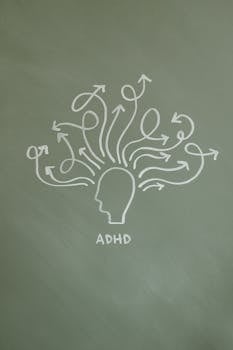
Understanding the complexities of managing and diagnosing ADHD and bipolar disorder is crucial for those affected by these conditions, as well as their families. These mental health disorders can profoundly impact a person’s life, influencing their behavior, emotions, and ability to function daily. While ADHD (Attention Deficit Hyperactivity Disorder) is often characterized by impulsive behavior and difficulties with attention, bipolar disorder involves significant mood swings, oscillating between depressive and manic episodes. Despite their different symptoms, there is a significant overlap, making accurate diagnosis and effective treatment essential.
ADHD and Bipolar: Recognizing the Differences and Similarities
ADHD and bipolar disorder each have distinct characteristics, yet they can sometimes appear similar at a glance, which complicates diagnosis. ADHD is marked by inattention, hyperactivity, and impulsiveness. In contrast, bipolar disorder is defined by its mood swings—from euphoria and intense energy levels during manic episodes to sadness and hopelessness during depression.
Both disorders can manifest with symptoms of impulsivity and difficulty concentrating, leading to potential misdiagnosis. Moreover, some individuals may have both ADHD and bipolar disorder, further complicating their management. Accurate diagnosis often involves comprehensive assessments by mental health professionals to determine the presence and extent of either or both disorders.
Symptoms Overlap and Differential Diagnosis
In diagnosing these conditions, it’s critical to understand the overlapping symptoms and those unique to each disorder. Shared symptoms, such as irritability and hyperactivity, can make differentiating between ADHD and bipolar disorder challenging. However, there are primary symptoms specific to each: ADHD’s inattentiveness compared to the mood fluctuations in bipolar disorder.
Precise diagnosis can guide the appropriate treatment options. This may involve behavioral therapy, medication, or a combination of approaches. Clinicians use a detailed evaluation process, often considering personal and family medical history, to tailor treatment plans that best address the individual needs of their patients.
Effective Treatment Options
Treatment plans for ADHD and bipolar disorder vary depending on the specific symptoms, age of the subject, and presence of co-occurring disorders. Medications, such as mood stabilizers and stimulants, are commonly prescribed but need careful monitoring due to potential interactions and side effects. Therapy, including cognitive-behavioral therapy (CBT), can provide tools to manage symptoms and improve day-to-day functioning.
For ADHD, stimulant medications like amphetamines are typically prescribed to improve concentration and reduce impulsivity, while non-stimulant medications may be used for individuals who do not respond well to stimulants. Bipolar disorder treatment often includes a combination of mood stabilizers, antipsychotics, and antidepressants to manage manic and depressive episodes.
Lifestyle Adjustments and Support Systems
Living with either or both disorders requires more than just medication; lifestyle adjustments and support systems play a crucial role. Routine, exercise, diet, and sleep hygiene can significantly influence an individual’s well-being. Additionally, support groups and familial support provide invaluable networks for those managing ADHD and bipolar disorder.
Engaging with these networks helps patients and their families stay informed about their conditions and the latest treatment options. Family therapy and education can strengthen familial roles, offering a sound environment where individuals feel understood and supported.
Those looking for alternative treatment methods can explore new therapeutic approaches that are gaining attention in mental health care.
Research and Advances in Treatment
Ongoing research continues to enhance our understanding of ADHD and bipolar disorder, driving advances in treatment methodologies. Studies focus on genetics, brain imaging, and new medications, which offer hope for more effective and personalized therapies in the future. Emerging technologies such as neurofeedback and digital health interventions are also being explored for their potential benefits in managing symptoms.
Collaboration among researchers, psychiatrists, and patients is necessary for the continued progress of effective treatment paradigms. By participating in clinical trials, individuals contribute to the growing body of knowledge that supports innovative solutions and improved outcomes.
Conclusion
Managing ADHD and bipolar disorder requires a nuanced approach that considers the complexities of each condition. With accurate diagnosis and tailored treatment strategies, individuals can lead fulfilling lives. As we broaden our understanding and enhance treatment options through research, the future looks promising for those affected by these disorders.
For more information about health and wellness, please visit Health on Wikipedia.
- ADHD and bipolar disorder have overlapping symptoms but require distinct treatment approaches.
- Accurate diagnosis is crucial for effective management.
- Both medication and lifestyle changes are important components of treatment.
- Support systems, including family and therapy groups, are vital for patient success.
- Ongoing research continues to enhance understanding and treatment.
What are the common symptoms of ADHD and bipolar disorder?
ADHD symptoms include problems with attention, hyperactivity, and impulsiveness, while bipolar disorder involves mood swings from manic to depressive episodes.
How are ADHD and bipolar disorder diagnosed?
Diagnosis typically involves a comprehensive assessment by a mental health professional, considering personal and family history, as well as specific symptom patterns.
What treatment options are available for these disorders?
Typical treatment includes medications such as stimulants for ADHD and mood stabilizers for bipolar disorder, alongside behavioral therapies and lifestyle adjustments.
Can someone have both ADHD and bipolar disorder?
Yes, some individuals may have both, which can complicate diagnosis and treatment. It’s important for clinicians to address this comorbidity to ensure effective care.
What lifestyle changes can support treatment?
Maintaining a balanced diet, regular exercise, a stable sleep routine, and engaging in therapy or support groups can significantly enhance treatment outcomes.
Other Articles You May Find of Interest...
- How to Stay Calm and Relaxed During Stressful Days
- Are You a Maladaptive Daydreamer? Discover the Test That Could Change Your Life
- Quick Remedies to Stop Anxiety-Induced Shaking Now
- Questions to Ask Before Choosing a Teen Mental Health Program
- Signs You Might Need Intensive Mental Health Support
- What to Expect in a Mental Health Treatment Program
- Understanding the Importance of Mental Health Support




